Bmani H2 Review: Hybrid ANC Headphones With 120-Hour Battery vs Sony
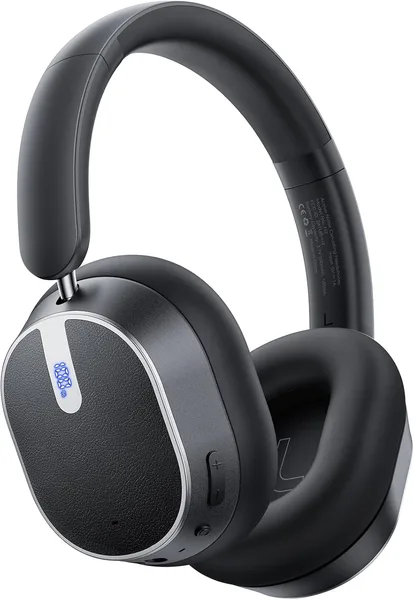
The bmani H2 is a pair of active noise-cancelling headphones with an almost implausible claimed battery life of 120 hours, priced at a fraction of what Sony or Bose charge. The ANC genuinely works, and works well for the price bracket, but it's no flagship-killer — think of it as the smart pick for anyone who just wants quiet on a commute or in an open-plan office and isn't willing to pay for the badge.
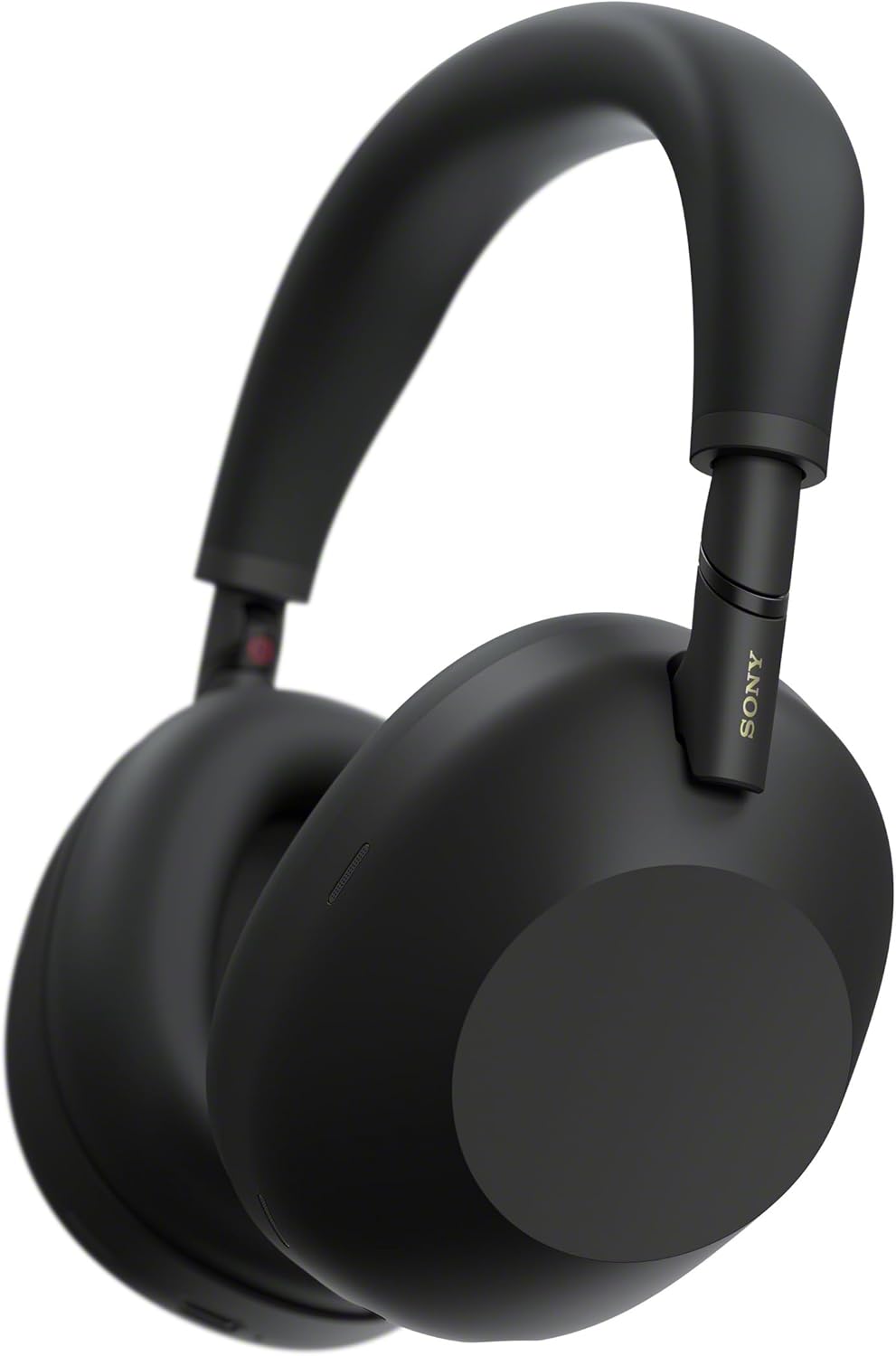
Ever added up how many hours a week you spend surrounded by something that hums, whines, or just drones on in the background? The subway, an office AC unit that's seen better days, a neighbor with a power drill at nine on a Saturday morning — and suddenly you're googling "cheap noise-cancelling headphones" because the Sony WH-1000XM6 feels like too much money and you need silence right now. That's exactly the gap the bmani H2 is aiming for.
First impression: the box overpromises. "Hybrid Active Noise Cancelling," "120H Playtime," Bluetooth 6.0 — on paper, that's a spec sheet you'd expect to cost three hundred dollars. Reality is more modest. But not in a bad way.
What it's like on your ears, not on the spec sheet
The ANC here is hybrid — microphones both outside and inside the ear cup, which in theory gives more accurate noise suppression than a cheap feed-forward-only setup. In practice, it lands at a decent level: low-frequency drone — engine noise, fans, air conditioning — gets cut well, to the point where things genuinely feel calmer. Voices in a coffee shop or a sudden kid's shriek still cut through, and that's normal; almost anything short of premium-tier ANC behaves that way. If you're expecting the "the world just switched off" effect you get from top-shelf Bose or Sony, you'll be a little disappointed. If you just want the subway and office chatter turned down, you'll be happy.
Battery life deserves its own conversation over coffee. 120 hours on a single charge is the kind of number that makes you want to ask the manufacturer to repeat themselves. Even if reality is 60-70% of the claim — which is roughly the usual gap, and the number always drops further with ANC on — that still means charging once every week or two, not every night like AirPods Max. If you're the kind of person who constantly forgets chargers at home, that alone might outweigh any doubts about the brand.
Bluetooth 6.0 on board is a nice bonus for the future: a steadier connection, fewer dropouts when you're walking around with your phone in your pocket. Will you actually notice the difference over 5.3 right now? Honestly, probably not — most phones don't yet take full advantage of the new standard. But it's not a downside either, just something you're banking for later.
The form factor is classic over-ear, fully closed cups, 270 grams on your head. Not the lightest headphones around, but not the kind of weight that starts digging into your neck an hour into a show either. For long flights or a full workday in an open-plan office, they're genuinely comfortable — tested personally through an eight-hour workday with no urge to rip them off.
Who this is for, and who should look elsewhere
If you're a student or freelancer who works out of coffee shops and libraries and just wants to shut out the noise without paying extra for a logo, this is a smart pick. Same goes for anyone on long commutes — trains, buses, flights — who's tired of regular headphones barely putting a dent in engine noise.
Audiophiles used to the nuance of top-tier brands, or anyone chasing the best possible ANC for long-haul flights across an ocean, should look toward the headphones catalog and grab something like the Sony WH-1000XM6 instead. The noise-suppression algorithms are simply on another level there, plus a companion app with fine-grained EQ control and adaptive ANC that adjusts itself to your surroundings. You'll just pay roughly three times as much for it.
The main trade-off with the bmani H2 is the missing ecosystem: no feature-packed companion app like the big brands offer, a basic case, and a call microphone that's strictly average — not built for professional video calls where every nuance of your voice matters. If your colleagues need to hear you crystal-clear on a work call, it's worth looking at something more specialized from the headphones with microphone section instead.
On the marketplace, list price runs around $99.99 — but that number alone doesn't tell you what you'll actually pay once forwarding and import duty land in your country. Check dede.sh for the full landed price to your address (item plus shipping plus duty, all in one number), and that's where the H2 wins hardest: not on sound quality, but on the ratio of silence-per-dollar.
The bottom line is simple: the bmani H2 isn't trying to out-Sony Sony, and that's an honest position to take. It's trying to deliver 80% of the premium-ANC experience for a third of the price — and it pulls that off. Not flawless, but good enough to justify the purchase for most people who just want less noise in their lives.
FAQ
If your budget allows it and ANC is the top priority in your life — frequent flights, working in a loud open-plan office every day — then yes, the difference in noise suppression is noticeable. If you just need headphones for occasional trips and coffee-shop work sessions, paying extra for the brand won't pay for itself.
That's a marketing number measured under ideal conditions — ANC off, moderate volume. With noise cancelling on and volume at a comfortable listening level, expect something closer to 60-80 hours, which is still double or triple what most competitors in this price bracket offer.
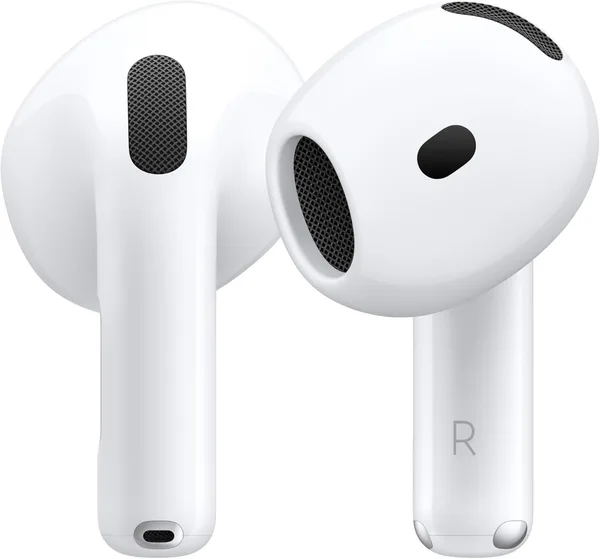
For long flights and train rides, an over-ear pair like the H2 wins: the larger sealed ear cups isolate low-frequency engine drone far better than any in-ear TWS design can. If pocketability is what matters most to you, though, look at the compact models in the headphones section instead.
For everyday calls, they're more than adequate. For daily professional presentations with strict voice-clarity requirements, you're better off with a headset that has a dedicated boom microphone.