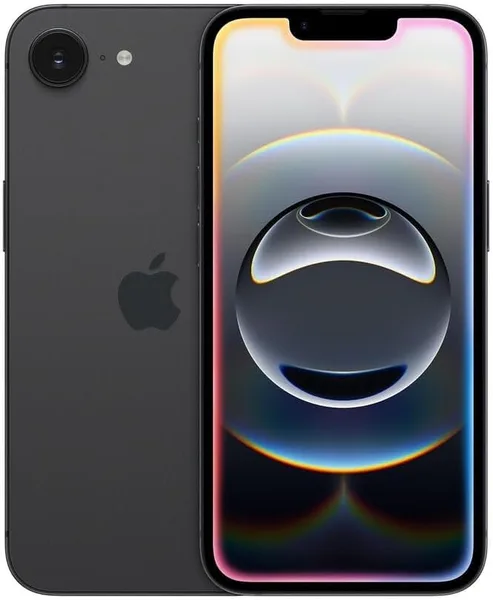
Motorola Moto G Play LTE Review: Worth It at $100?
The Motorola Moto G Play LTE is a phone for people who want to make calls, message, and occasionally photograph grandkids — not chase flagship specs. For the money (around $100, see the full landed price to your country on dede.sh) it does exactly what it promises and not a gram more. If you need a second phone, a work beater, or a handset for your parents — buy without hesitation. If you want to play heavy games or shoot TikTok videos — this isn't it.
Picture this: Mom cracks the screen on her old Samsung, and you need something fast and cheap. Not a $1,000 flagship — just a phone that makes calls, shows grandkid photos in Viber, and doesn't choke opening the banking app. That's exactly the niche devices like the Motorola Moto G Play LTE were built for.
This isn't the phone that gets gushing "changed my life" reviews. It's the phone where, after a year, you'll say "it just works, thank god." And honestly, for the budget segment, that's the highest praise you can invent.
What you're actually getting
4 GB of RAM and 64 GB of storage — numbers that would've been mid-range five years ago, and today scream entry-level. But here's the thing: Motorola has a knack for squeezing more out of weak hardware than the competition, thanks to near-stock Android without the manufacturer bloat. No mountain of pre-installed apps you can't delete, silently draining battery in the background — and believe me, on a budget phone that matters critically.
A 50-megapixel camera sounds great on paper, and marketing clearly banked on that number for the name. Reality check: it's a typical budget camera. Daylight, sunny conditions — shots are perfectly fine. Sharp, normal colors, good enough for Grandma's Instagram. But the moment light drops — noise, blur, algorithms fighting the physics of a tiny sensor and losing. That's physics, not Motorola phoning it in — at this price nobody's putting a bigger sensor in.
LTE works exactly as it should, no surprises — calls, messengers, mobile banking all run without complaint. 5G? Not a whisper. If that's a dealbreaker (say, you live in a city with solid coverage and love running speed tests), look elsewhere.
Where it actually grates
Honest talk: if you're used to an iPhone or flagship Samsung and think you'll switch a family member to this "because it's cheap," brace for "why does the camera take so long to open?" Heavy app launches, switching between multiple browser tabs, and especially anything heavier than Instagram or TikTok running in the background — the phone hauls it all with a groan. Genshin Impact, or even Mobile Legends on high settings — forget it, don't even bother trying.
Second issue: onboard storage. 64 GB in 2026 sounds modest when system updates and messenger cache alone eat a solid third. There's a microSD slot — which saves the day — but factor in a separate card purchase if you plan to keep lots of photos and video.
Compared to the direct price rival — a hypothetical Samsung Galaxy A-series entry model — the Moto G Play wins on software cleanness and, by all accounts, stability after a year of use. Samsungs in this bracket often get bogged down by One UI, which feels heavy on weak hardware. Motorola's also noticeably thriftier here: compare it to something like the iPhone 16e and the price gap is multiples — different league entirely, so direct comparison is just unfair.
Battery — the ace up its sleeve
This is where the phone genuinely shines. Big battery plus weak processor equals what even pricier flagships don't always deliver — a real day and a half of active use without hunting for an outlet. For people who work all day and don't have time to constantly think about charging, this might be the single most important spec on any phone. More important than the camera, more important than storage.
Who should buy, who should walk
Buy if: you need a second/backup phone, a handset for parents or a teenager, a replacement for a cracked screen without overpaying, or you simply value battery life above all else. Roughly $100 (see the full landed price to your country on dede.sh) is fair for what you get, no inflated expectations.
Don't buy if: you play mobile games, shoot lots of video or photos in poor light, or you're used to speed and aren't ready to tolerate stutters when multitasking. In that case, save a bit more and step up — a mid-range Samsung or anything with a better processor.
The core compromise is singular and honest: you pay less, you get less speed. Second compromise: camera that's great in daylight, mediocre at night. Everything else — perfectly decent for the price.
Preguntas frecuentes
For messengers, calls, social media, and light apps — yes, with room to spare. For keeping a dozen browser tabs open plus heavy games — no, the phone will start chugging. It all depends on how you actually use your phone.
If the price difference is small — yes, extra storage never hurts, especially since apps and system updates only get heavier over the years. Color is purely taste, zero functional impact.
For raw speed retention after a year or two, Motorola often wins thanks to its lighter Android skin. But if camera quality or the Samsung ecosystem (watches, buds) matters more to you, look that way — it's a priority call, not an objective win.
This is probably the ideal use case. Simple, intuitive interface, long battery life, no nightly charger hunt, and a price that won't make you panic if the phone takes a tumble. That's exactly what it's for.
Similar products worth a look before you buy: