Apple AirPods Max 2 review: are they worth buying in 2026
The AirPods Max 2 deliver the best noise cancelling and the most comfortable fit Apple has ever put on a head, but the sound is unmistakably "Apple" — balanced and polite rather than the kind that makes an audiophile tear up. Worth buying if you're already living in the iPhone ecosystem and want the least amount of hassle possible. If you're just hunting for the best sound per dollar, look elsewhere — there are cheaper, more exciting-sounding options.
Picture a long-haul flight, a toddler two rows back losing it for the better part of an hour, the guy next to you narrating his entire life on speakerphone. You hit play on a playlist and — quiet. Not total silence, but the kind of hush that's genuinely why people pay this much for headphones in the first place. That's where I want to start, because the whole point of the AirPods Max 2 isn't in the frequency response or the codec support — it's in what they do to the chaos around you.
First impressions: heavy, but not painfully so
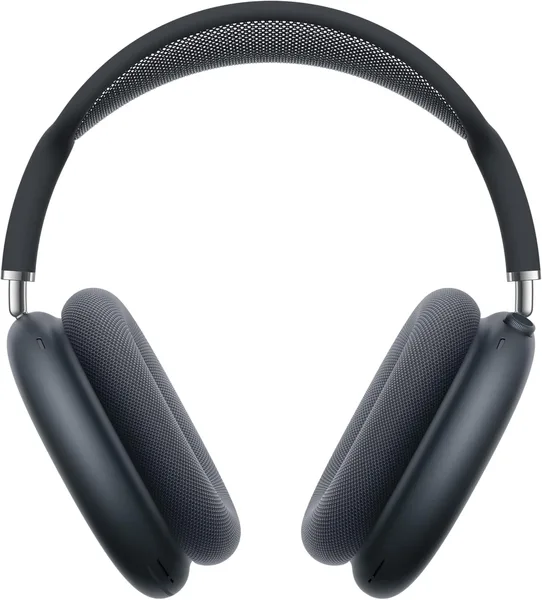
Pull them out of the signature "bra" case (yes, that odd cradle-shaped cover is still here), and the first thing you notice is the weight. AirPods Max have always been on the heavier side next to Sony or Bose, and the second generation hasn't fundamentally changed that math. What Apple has done is spread the load better: the stainless steel headband and the cushioned mesh on top mean your neck doesn't tire as fast as the spec sheet would suggest. I wore them through a full workday of calls, and my ears did start to feel warm by hour four — a real downside you have to make peace with.
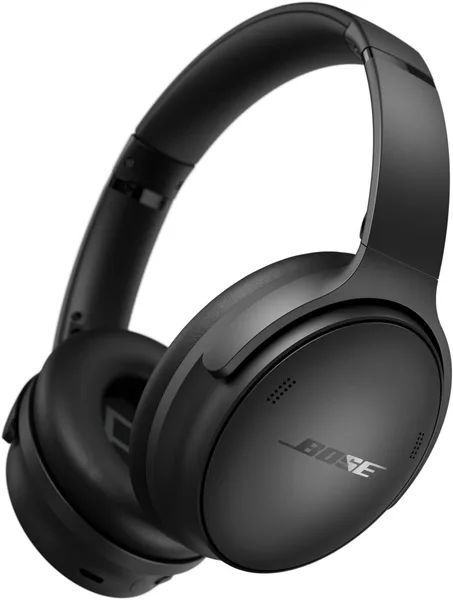
The active noise cancelling, though, is genuinely best-in-class. Jet engines, subway rumble, the office AC unit — all of it just disappears. Side by side with Bose QuietComfort, the ANC performance is roughly a wash: Bose leans a touch more aggressive on the low end, while Apple is gentler and more natural, without that "vacuum-sealed" feeling you get in cheaper models.
Sound: honest rather than exciting
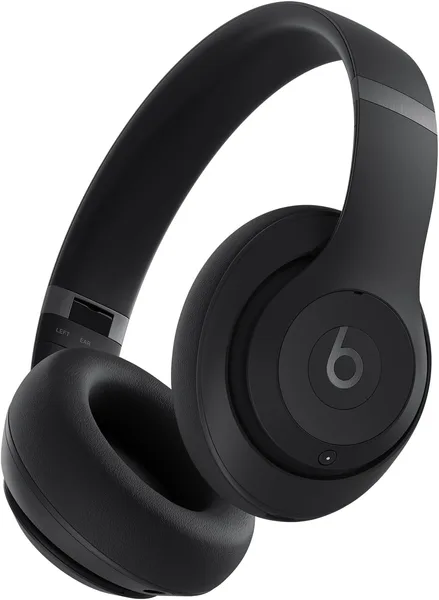
This is where the arguments start. The AirPods Max sound "correct" — balanced, no artificially pumped-up bass, a clean midrange for vocals. If your listening diet is podcasts, audiobooks, classical, or jazz, this is a pleasure. But if your playlist leans hip-hop, electronic, or heavy rock, the sound might strike you as a little flat. The headphones category has models that hit harder emotionally — Beats Studio Pro, made by the same company, sounds noticeably fatter in the bass and is clearly tuned for a different crowd.
Personalized Spatial Audio with dynamic head tracking is one of those features that's hard to explain until you've tried it. Watching a Dolby Atmos movie, the sound seems to "stick" to the screen even as you turn your head. I caught myself watching trailers just for that effect, not because I cared about the trailers themselves — which, honestly, is a little ridiculous.
The ecosystem: love it or feel shut out
If you're on iPhone, Mac, and iPad, switching between devices is instant — no pairing menus, it just happens. If you're on Android, forget about half the features: no automatic device detection, spatial audio works in a stripped-down way at best, and Siri controls lose most of their point. On Android, the AirPods Max basically become a very expensive pair of headphones with great ANC. I wouldn't recommend buying these "for Android" — that's just money down the drain.
USB-C has finally arrived (rest in peace, Lightning), and it's genuinely convenient — you charge them with the same cable as your phone and laptop. Small thing, but a nice one.
What they cost and whether the premium is worth it
On overseas marketplaces, a pair starts around $490–500. Once you add forwarding, payment fees, and import duty to your own country, the full landed price is a very different number — worth checking on dede.sh before you commit, since this is not an impulse buy. For that kind of money you could pick up two or three perfectly decent wireless headphones from other brands, so the real question isn't "are these good," it's "do you specifically need this level of noise cancelling and this depth of Apple integration."
Who should buy these, and who shouldn't
Buy them if: you live in the Apple ecosystem, fly or take long train rides often, love podcasts and audiobooks, and price isn't the deciding factor. Skip them if: you're on Android, you want bass-heavy sound for workouts, or you just want "solid headphones" without paying a premium for the logo — in that case, browse the headphones catalog, where you'll find plenty of options at half the price that are barely worse for what 90% of people actually need.
The main trade-off is weight and price. The second, less obvious one: after an hour or two of active wear, your ears do get tired — this isn't a pair you forget you're wearing, the way you might with something genuinely lightweight.
FAQ
They're completely different products. The Pro are compact earbuds for everyday, pocket-friendly use; the Max are large over-ear headphones for long sessions at home, on the road, or on a plane. If portability matters most, go Pro. If the priority is the best ANC and full sonic immersion, the Max earn their price — but only if you're already in the Apple ecosystem.
On pure noise cancelling, it's a near draw; the difference is in character. Bose are cheaper, a bit lighter physically, and punchier in the bass. Apple wins on iPhone integration and spatial audio, but loses on price and weight. If you're on Android, go with Bose without a second thought.
A full charge comfortably covers a transatlantic flight with margin to spare, and USB-C lets you top up quickly in-flight if there's an outlet or a power bank handy. For a short domestic hop, battery life is a total non-issue.
Technically yes, but without it the headphones don't drop into their low-power state and can drain in your bag. It also protects the ear cushions. It looks odd, but it earns its keep.
Still on the fence, or want to line them up against the alternatives? Check the picks below — there's a budget option and an equally premium one.