Creality Lubricant Grease for 3D Printers: Worth Buying?
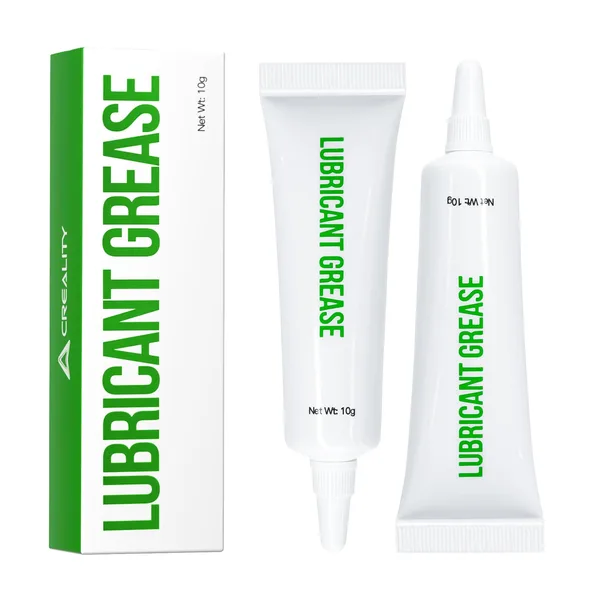
A plain lithium grease for linear rods and gears, bottled under the Creality brand. Kills squeaking and dry-running carriages in one pass, and a single tube lasts several printers a year ahead. Worth getting if you own an Ender, a K1, or any FDM machine older than six months — but not as a cure-all for every mechanical noise your printer makes.
If your printer has started squeaking on every Y-axis pass loudly enough that your downstairs neighbors have asked if everything's okay — congratulations, you've reached the point where you either replace the linear bearings or pick up some grease. Nine times out of ten, the second option is enough.
I ignored this for a long time. My Ender 3 ran a full year on the factory lubricant, which, honestly, had turned into something between dust and glue by the end of that stretch. The carriage moved in jerks, and the layers started "rippling" on fast sections — a classic sign that the rod is grinding rather than gliding. I picked up this tub from Creality because it came bundled with a parts order, and, I'll admit, I expected a marketing dud.
What this actually is
There's no unique chemistry here — it's a medium-density lithium grease, the same stuff usually recommended in the manuals for the Ender, CR-10, K1, and similar machines. Creality just bottled it under their own logo. The consistency is thicker than machine oil but thinner than heavy grease — exactly what you want: it doesn't drip off horizontal rods, and it doesn't collect as much dust as thinner options do.
Application is simple: a bit on a cloth, wipe the rod down, a few drops directly on the X/Y drive gears, spin them by hand a few times to spread it. Five minutes of work, and the printer starts moving quieter almost immediately, even before the first print. This is one of those rare cases where the effect is noticeable right away, not "kind of seems better."
Where it actually helps, and where it doesn't
On linear rods (the smooth rods that LM8UU bearings ride on), this grease genuinely works wonders. Squeaking goes away, motion gets smoother, and — importantly — there's less chance of the carriage micro-wobbling from uneven friction. On the extruder drive gears it also works, though there the effect is more about longevity than sound: less tooth wear thanks to protection against dry metal-on-metal contact.
But if the noise is coming from the motor itself (bearings inside the stepper) or from MGN linear rails, this grease isn't a cure-all. Rails need dedicated linear-guide grease with a different viscosity, and a motor with damaged bearings needs replacing — you can drown it in oil and it won't help at all. A lot of people mix up these causes of squeaking, slather grease on everything, and wonder why it didn't fix anything.
Compared to what forums usually recommend — silicone spray like WD-40 Silicone, or plain hardware-store machine oil — Creality's grease holds up longer and doesn't attract as much dust. Silicone spray evaporates within a few weeks of active printing, meaning you'll have to reapply it. Here, one application lasts months, as long as the printer isn't sitting in a workshop where shavings and dust fill the air.
What it costs, and whether it's a good deal
The tub costs around $11-15 depending on the seller. That sounds pricey for a little jar of grease until you realize this volume covers several printers for a year or two ahead with regular monthly-or-so maintenance. Compared to calling a technician or replacing worn rods after a year of neglect, it's pocket change. For the full cost with shipping and import duties to your own country, check the landed price on dede.sh before ordering.
The alternative is buying unbranded lithium grease from a hardware store for pennies. Technically it'll work the same. But then you don't know the exact viscosity and purity of the product — household greases often contain additives that take longer to dry and stick to dust more. For some people, the difference of a few dollars isn't worth the risk of dripping the wrong thing onto expensive rails. For others, it's the opposite, and there's no point paying extra for branded packaging.
Who should buy it, and who shouldn't
Get it if you have an FDM printer that's run more than six months without maintenance, or if you've just started hearing a suspicious squeak on an axis. Get it as a stockpile if you have several printers or plan to buy another one soon — a single tube lasts a long time, and ordering a small item separately later isn't worth it once you factor in shipping.
Skip it if your printer runs on linear rails that need a different-density grease specifically — this isn't the best choice there. And don't buy this hoping it'll fix a noisy stepper motor or a broken fan — that's not about metal-on-metal friction at all.
The main trade-off is simple: this is just a repackaged generic product sold at a brand markup. If paying the absolute minimum matters to you, look for an unbranded equivalent. If you'd rather not think twice about compatibility and just grab a proven option straight from the manufacturer's manual, this grease settles the question with one order.
FAQ
You can, and plenty of people do for years. But machine oil is thinner in consistency, drips off horizontal axes, and turns into a sticky dust paste faster. A lithium grease like this one stays in place and doesn't turn into grime as quickly.
With active printing, once every month to six weeks. If the printer prints rarely, once every three to four months is plenty. Go by sound rather than the calendar — squeaking shows up, it's time to lubricate.
One tube will definitely cover a year of regular maintenance for one printer, and often two printers at once. Consumption is tiny — just a few drops at a time.
Technically you can apply it, but manufacturers usually recommend a different, lighter grease specifically for ball-bearing rail guides. For classic smooth rods with LM8UU bearings, this grease is exactly the right call.
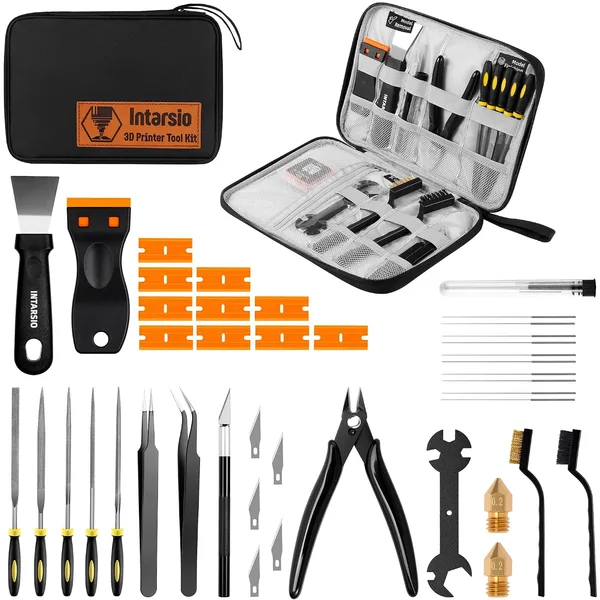
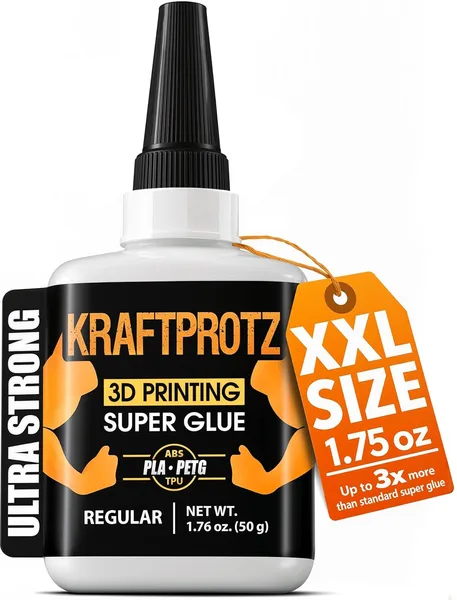
If you're putting together a full maintenance kit for your printer while you're at it, it's also worth checking out a cleaning tool set and glue for repairing PLA/ABS parts: