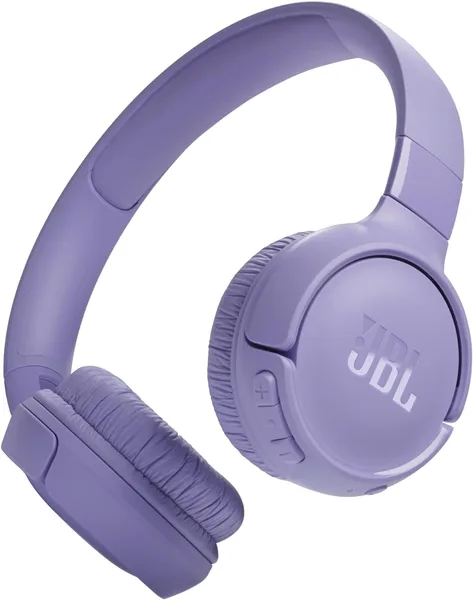
JBL Tune 520BT Review: Are These Budget On-Ear Headphones Worth It?
The JBL Tune 520BT isn't built for audiophiles — it's built for people sick of hunting for a charger every other day. On paper, 57 hours of battery life; in real life, more like 40-plus, which is still enough to cover a couple of weeks of daily commuting without a second thought. The sound is simple and bass-heavy, no pretense of neutrality, but the price puts them in a league of their own among on-ear headphones that don't cost a fortune.
You know that feeling when your headphones die at the exact moment your train stalls between stations and you desperately need something to fill the silence? That's precisely the feeling people are trying to eliminate when they buy the JBL Tune 520BT. Not for the "soundstage," not for "bass detail" — just for peace of mind.
These are on-ear headphones: light, cushioned, and comfortable in the way JBL usually manages to pull off even at the budget end of its lineup. They go on fast and stay put — they won't slide off when you bend down to tie your shoe or sprint for the bus. That alone counts as a win, because in this price bracket, half the competition either clamps your head like a vise within the hour or slips off at the slightest movement.
What actually happens when you use them
That 57-hour figure is, of course, a marketing number — measured in lab conditions at medium volume, no calls, no Bluetooth multipoint. In real life, with evening YouTube binges and morning podcasts thrown in, I'd budget closer to 35-45 hours. Either way, that's still a lot. It means you can charge these once every week or two and basically forget they exist — a rare luxury if you're used to headphones that tap out after a single day of heavy use.
There's also Speed Charge — a quick-charge feature where a few minutes plugged in buys you a few hours of playback. It's the kind of thing that saves your morning when you forgot to charge them overnight and you're walking out the door in ten minutes.
The sound is classic, honest JBL: bass-forward, fairly dense mids, treble that's present but never harsh. For pop, hip-hop, podcasts, and TV shows, it works great. If you listen to classical or jazz and expect a neutral "studio" signature, look elsewhere — that's just not the philosophy here. JBL has always tuned its headphones to make music thump, not to make a mastering engineer weep with joy.
The microphone gets the job done for calls, but nothing more — outside in the wind or in a noisy café, whoever's on the other end will hear you worse than they would through headphones with the kind of call-noise-cancellation you find in pricier models.
Up against the obvious rivals
These get compared most often to the Sony WH-CH520, their direct competitor on price and form factor. The Sony is a touch lighter and, by most accounts, has a slightly more balanced sound, but the JBL wins on battery life and, in my experience, sits more securely on the head.
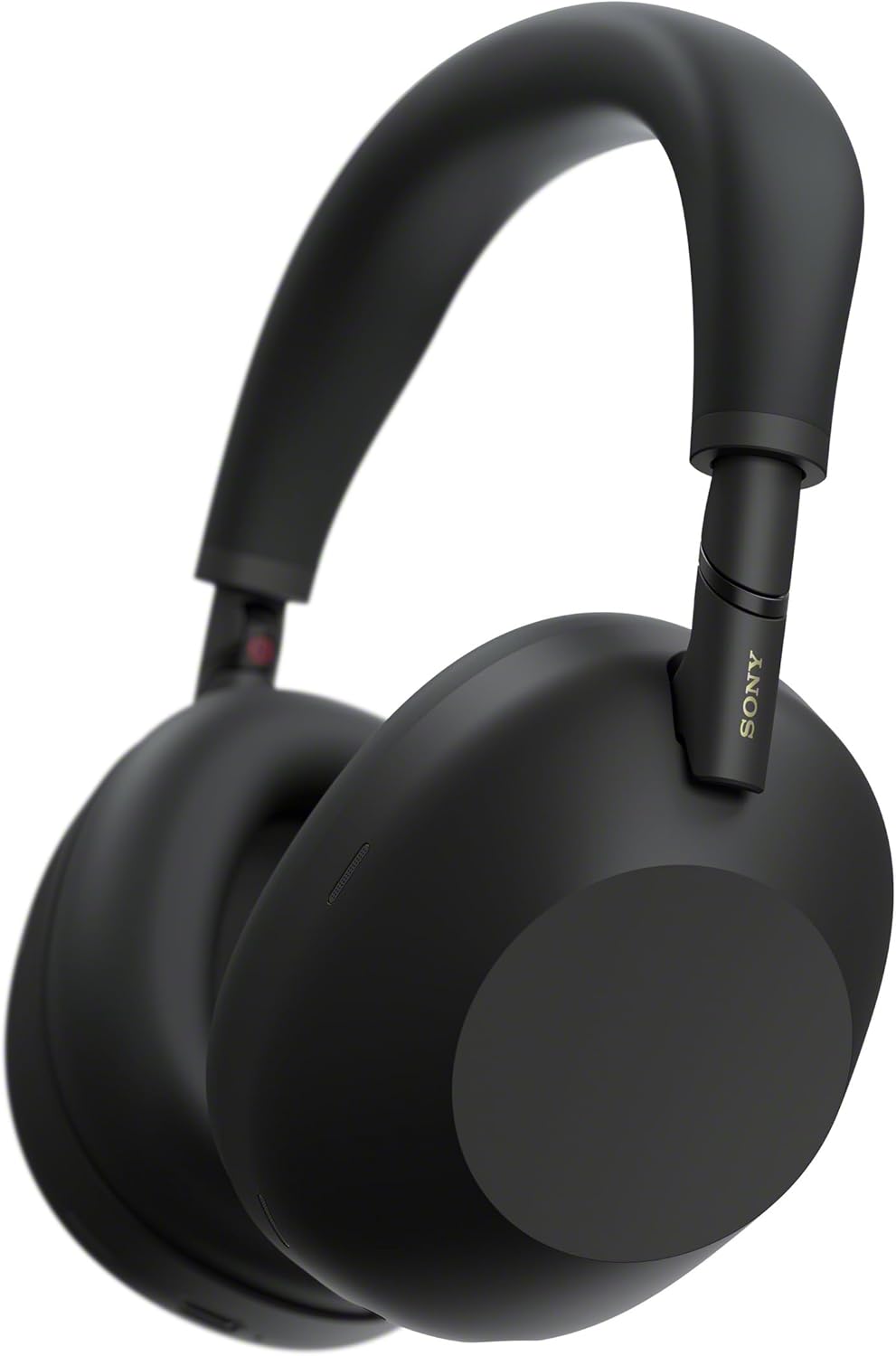
Step up a tier and you land on the Sony WH-1000XM6 — a completely different story: active noise cancellation, premium sound, and a price several times higher. Comparing them to the Tune 520BT isn't really fair; they're playing in different leagues. But if your budget stretches to a flagship, get the flagship — JBL isn't even trying to compete there.
Among similarly priced wireless earbuds, it's also worth browsing the headphones catalog — there are dozens of options to compare, and an on-ear model doesn't always beat earbuds for pocket or backpack convenience.
Who should buy these — and who shouldn't
Buy them if: you commute by public transit, want to stop thinking about daily charging, mostly listen to podcasts, pop, or hip-hop, and don't need noise cancellation or audiophile-grade accuracy.
Skip them if: you take a lot of video calls in noisy environments (the mic will let you down), you prefer a neutral or "studio" sound signature, or you live somewhere hot and wear on-ear headphones for hours at a stretch — your ears will sweat, and these ear cushions aren't the most breathable around.
The main trade-off here is obvious: this isn't a flagship, and it doesn't pretend to be one. But at roughly the price of a budget-friendly on-ear pair — see the full landed cost to your country, item plus shipping plus import duty, on dede.sh — it's one of the few options where battery life outweighs the sound compromises by such a wide margin. Honestly, for everyday "background" listening, that's exactly the balance most people are after — not the small crowd of audiophiles poring over technical reviews on Head-Fi.
Bottom line
The JBL Tune 520BT isn't a dream pair of headphones, and it never claims to be. It's a workhorse for a long day: put them on in the morning, take them off at night, and charging becomes a once-a-week thought instead of a nightly ritual. If that's what you're after, buy them without overthinking it. If you're chasing character and depth in your sound, look toward pricier models instead.
FAQ
If active noise cancellation is a must-have — you fly often or work in an open-plan office — yes, the premium is justified. For everyday commuting around town, the difference matters less, and the Tune 520BT handles it just fine.
Under real-world conditions (not lab conditions), absolutely. Budget for 35-45 hours of active listening — that's enough to cover a full week of daily commuting with room to spare.
For short calls in a quiet room, sure. For long video meetings in a noisy café or out on the street, you'll want a backup — the microphone isn't this model's strongest feature.
On-ears keep your ears warmer in winter and don't dig into your ear canal for hours on end, but come summer or gym season, earbuds are usually more comfortable and easier to stash in a pocket.