Botesty Sound Kids Bluetooth Headphones 85H Review: Are Volume-Limited Kids Headphones Worth It?
Cheap kids' headphones with an 85/94 dB volume cap, LED lighting, and an on-paper 85 hours of battery life. For car rides, train trips, and long hauls to grandma's, they're a solid pick for pizza money — just don't expect adult-headphone sound, and be ready for your kid to lose or outgrow them within six months.
You know the scene: kid in the back seat, tablet at full blast, cartoon volume cranked so high you've forgotten what your own thoughts sound like. Or worse — your child likes falling asleep with music in their ears, and every parental instinct is screaming that this can't be good for their hearing. This is exactly the gap volume-limited kids' headphones were built to fill, and the Botesty Sound Kids Bluetooth Headphones sit squarely in that category.
The headline feature here isn't sound quality or looks — it's the 85/94 dB ceiling. That's the threshold where pediatricians and hearing-aid makers start getting twitchy. With adult headphones, you can crank the volume until the guy next to you on the subway hears every bass note; with these, you physically can't. And honestly, that's the whole reason to buy a dedicated kids' model instead of just grabbing any cheap generic headset "because it's the same price anyway."
How it actually holds up on a kid, not in a marketing photo
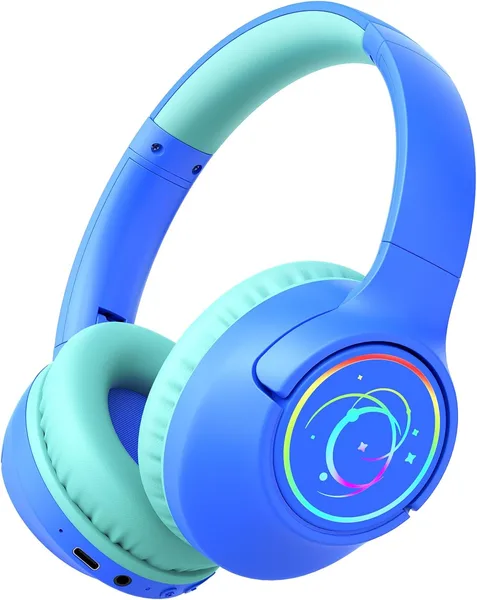
The headband is adjustable, and that matters — a five-year-old's head and a ten-year-old's head are different shapes entirely, and something that fits snugly on the younger kid slides right off the older one the second they tilt their head. The band itself is soft, with no metal frame inside, so a kid can lie down on them, twist around, chuck them in a backpack — and nothing creaks or snaps the next day, unlike a lot of budget models where the band starts falling apart after the third bend.
The LED lighting is the actual reason kids agree to wear headphones voluntarily in the first place. Parents get zero use out of it, but the kid looks like a tiny DJ, which is exactly why they won't take them off in the car or on a plane. Functionally it's worthless; as a piece of marketing aimed at a five-year-old, it's a bullseye, and I'll admit that without any irony — it just works.
The claimed 85 hours of playback is a number you want to believe, and honestly, for headphones in this price bracket, that's a lot. In practice, with the lights on and volume maxed out (within the limiter, of course), expect less — the LEDs noticeably chew through the battery. But even half the claimed figure is a week of daily hour-or-two use without a recharge, and for a kid's gadget that parents inevitably forget to charge anyway, that's a comfortable safety margin.
One more thing I like: there's a wired mode. Battery dies, you plug in a cable and keep going, instead of having a meltdown mid-flight over a dead Bluetooth connection. Cheaper no-name alternatives are often wireless-only, and when the battery gives out mid-trip, that's the whole evening ruined.
What it actually competes against
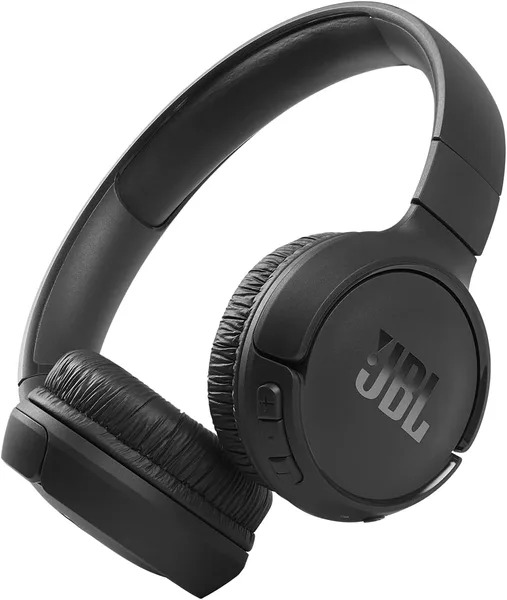
The obvious alternative every parent considers is just grabbing cheaper adult headphones like the JBL Tune 510BT and telling the kid "don't turn it up too loud." Spoiler: they will turn it up. Adult models have no hardware limiter, so you're either trusting an eight-year-old with self-control (risky) or sitting next to them policing every listening session (not realistic). Botesty handles this at the hardware level instead of through negotiation, which is exactly why kids' headphones exist as their own category and aren't just a marketing gimmick.
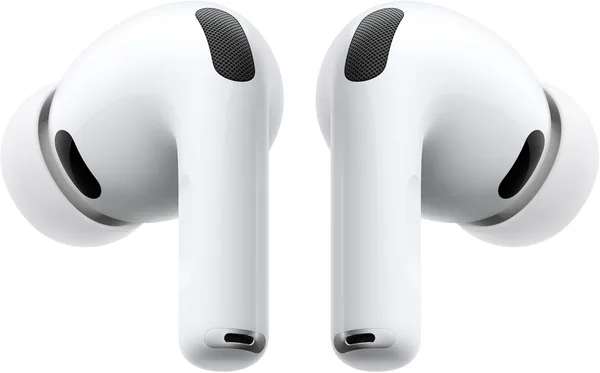
The other comparison people make is against flagship wireless earbuds like AirPods Pro, which some parents buy for their kids "because they're cool." Here the answer is simple: don't. Buds fall out of small ears and vanish under the car seat within five minutes, and they cost enough that losing a pair becomes a family drama rather than a shrug. Over-ear kids' headphones, thanks to their shape and headband, are just physically harder to lose or drop in the toilet (yes, that's a real scenario I've heard from more than one friend).
Who should buy these, and who shouldn't
If your kid is somewhere between three and ten or twelve years old, and you need a budget option for road trips, quiet time at daycare, or watching cartoons at home without wrecking your own ears, this is exactly the case where paying extra for a brand name doesn't buy you much. The item price alone is modest — for the full landed cost to your country, including shipping and any import duty, check the number on dede.sh, since it usually stays reasonable enough to hand over as a "let's try it" gift.
First trade-off: the sound isn't audiophile-grade, and it never will be. The volume cap means flat bass and not much detail — this isn't the product to chase for sound quality. Second trade-off: the LED lighting and plastic housing aren't built for years of use. If you're after headphones that'll grow with your kid from five years old into their teens, look toward mid-range models with a metal headband instead.
Skip these if your kid is already a teenager who'd be embarrassed by the obviously "kid" design with lights — a more neutral-looking wireless model without kid-branded marketing fits better there. And skip them if sound quality is your top priority over hearing protection — this simply isn't that product.
FAQ
Yes, it's not just a marketing line — 85 dB is a real ceiling that audiologists recommend for extended listening by children. Adult headphones have no such limit at all, which is exactly why kids' models exist as their own category rather than just a smaller headband size.
Easily. Even if real-world battery life turns out to be half the claimed number because of the LEDs, that's still 5-7 days of normal use. And once it does run out, you can plug in a cable and stop worrying about charge altogether.
For kids under 10-12, over-ear with a limiter, no question. Earbuds fall out and get lost, and they offer no volume protection at all. Something like AirPods Pro for a child is more of a risk of losing an expensive item than a practical choice.
The headband is plastic with no metal frame, so it bends rather than cracks if it's dropped or stepped on. But it's not indestructible — if your kid is systematically destroying everything around them, plan on replacing these every year or two, not forever.