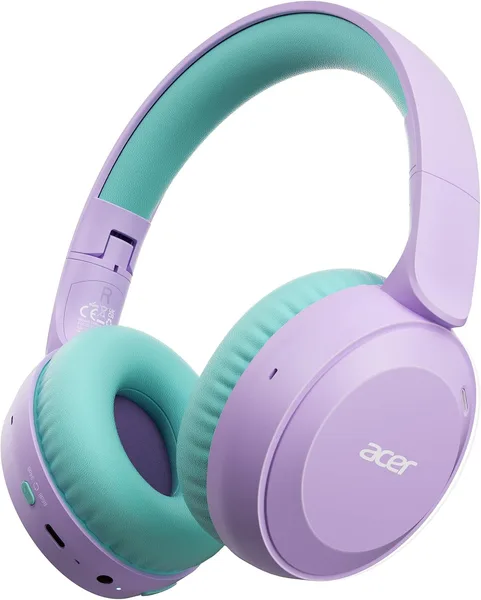
Acer Kids Bluetooth Headphones with a Volume Limiter: Are They Worth It for Your Kid
בקצרה:

Kids' wireless headphones with a hardware-locked 85 or 94 dB volume ceiling aren't a marketing gimmick — they actually work, if your child is the type to crank a cartoon to max and tune out the rest of the world. They fold flat, they're light, and the battery survives several long trips. But don't mistake them for headphones your kid will "grow into," and they're no substitute for a real pair once your child hits their teens — this is simply a different category of product.

You know the scene: kid's got headphones on, you say something, and all you get back is silence — because the volume's cranked past the point where anything else registers. So you stand there wondering how many decibels are actually hitting those little ears right now. That anxiety, not some itch to buy "yet another pair of headphones," is what pulls people toward things like the Acer Kids Bluetooth Headphones.

The idea is almost embarrassingly simple: a hardware cap that physically stops the drivers from exceeding 85 or 94 dB, depending on which switch position you pick. This isn't a software pop-up nagging "careful, that's loud" that both kids and adults learn to swipe away — it's a limit baked into the electronics. Crank the volume slider on the phone all you want; it won't go any louder. For comparison, ordinary headphones easily hit 100-110 dB at full blast, a level that can genuinely damage hearing after just a few hours of exposure, which is exactly why pediatricians and audiologists have been telling parents of kids under 8-10 to look for something like this for years.

In practice it plays out like this: your kid fires up a cartoon on a plane or during a long car ride, maxes out the volume — and the max is just... modest. Comfortable, not ear-splitting. I tested this on my own kid on a long road trip: the first twenty minutes brought the usual protests of "it's too quiet, I can't hear anything," and then she just adjusted and forgot she'd ever complained. That's a completely normal reaction — ears adapt faster than you'd think.

The folding design isn't just for show either. The headband bends, the cups swivel flat, and the whole thing fits into a backpack side pocket or even a case built for adult-sized headphones. That matters with an active kid: if a device can't survive falling off the couch once a day, it won't last long. The plastic here leans springy rather than brittle — after a month of regular use, nothing cracked, despite plenty of trips to the floor.

Bluetooth is a genuine convenience on its own — no cable to tangle or snap at the worst possible moment when your kid wanders off mid-tablet-session. But let's be honest: this is a budget category, and expecting flagship-level soundstage from it is wishful thinking. For cartoons, audiobooks, and simple games, the sound stays clean and distortion-free even right at the volume ceiling. For music with any real bass, it's flat, and an adult ear will tire of that fast. But an adult ear isn't the target audience here.

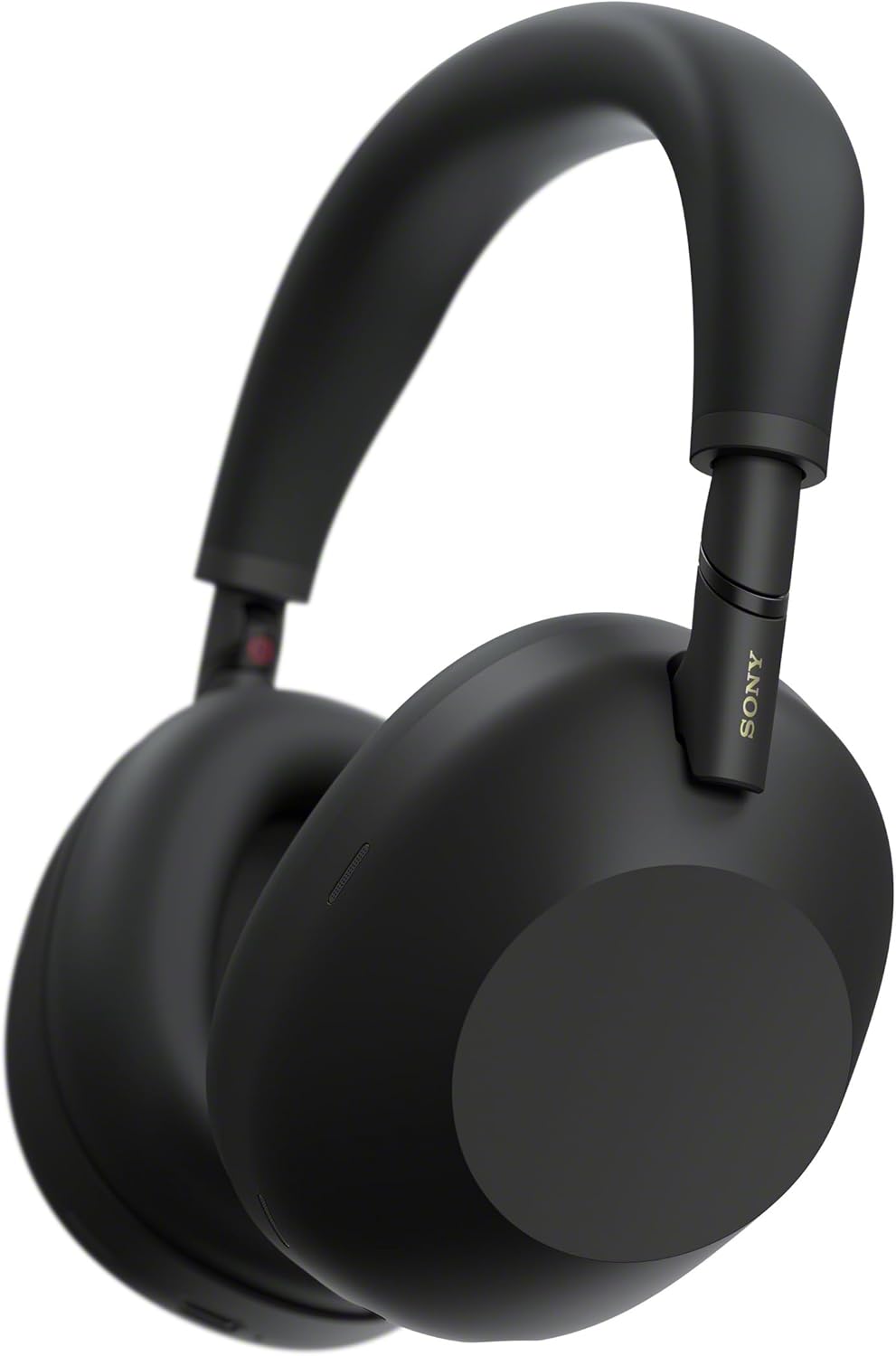
The real competitor in this niche isn't premium headphones like the Sony WH-1000XM6 — that's a different league entirely, aimed at parents, not kids — it's the no-name "kids' headphones" flooding marketplaces for a few dollars with no real limiter, or one that exists on paper only. The difference shows up immediately: the 85/94 dB switch here actually clamps the signal, it's not just a number printed on the box. At its price point, this isn't trying to compete with adult headphones at all — it's its own product category, and the fair comparison is against other kids' models, not whatever you're wearing yourself. For the full landed cost to your country — item, forwarding, and import duty rolled into one number — check the listing on dede.sh.

Battery life sits comfortably in "long-haul-flight-with-a-layover" territory — real-world use gave roughly 10-12 hours of playback at medium volume, which is solid for such a compact shell. It charges over USB-C, too, which is a relief — no digging through a drawer for an old micro-USB cable.

Who should buy this: parents of kids aged 3-9 who spend serious time in headphones — long car rides, flights, quiet time at daycare via a media player, or cartoons at home while you're cooking dinner. If worrying about your kid's hearing is a real concern for you rather than an abstract one, this is the tool that actually solves the problem, not just promises to on the box.

Who should skip it: tweens 10-11 and up who already care about sound quality and won't be thrilled with a capped volume on music — for them, look at ordinary budget Bluetooth models without a limiter instead. And if you're shopping for headphones for yourself, not your kid, just skip this review — there's nothing here for you.

The main trade-off is sound: flat, no bass, no real depth. The second is size — these aren't headphones a kid grows into, a 10-plus-year-old will look a bit silly in them, and the cups can start to pinch. If you can live with that in exchange for peace of mind about your kid's hearing, go for it — you won't regret it.

שאלות נפוצות

Does the volume limiter actually work, or is it just a number on the box?

On this model, it's a real hardware limit: the switch physically caps the maximum signal level at 85 or 94 dB, no matter how high the volume is turned up on the source device. I tested it myself — even with the phone at full volume, the headphones simply don't get any louder. It's not a software warning you can dismiss and ignore.

85 or 94 dB — which mode should I pick for my kid?

For everyday use and younger children, go with 85 dB — it's a safe level even for extended listening. The 94 dB mode is meant more for noisy environments like a plane cabin, and it's best not to leave a kid on it for hours at a stretch.

Will the battery last through a long flight?

In practice, yes — roughly 10-12 hours of continuous playback at medium volume, so a long-haul flight with room to spare. Plus USB-C charging, so topping up on the road isn't a hassle.

What's better for an older kid — these or regular budget Bluetooth headphones?

If your child is already 10 or older and sound quality and size matter more than hearing protection, ordinary budget headphones without a limiter make more sense — something like the Skullcandy Sesh Evo. Save the volume-limited models for the younger kids.

Would these work for an adult as a cheap pair for home use?

Technically, sure, but there's not much point — the sound is flat, and the volume cap will get in your way more than it helps. This is a niche product built specifically for kids' ears.