Apple EarPods with USB-C: worth it if AirPods are out of budget?
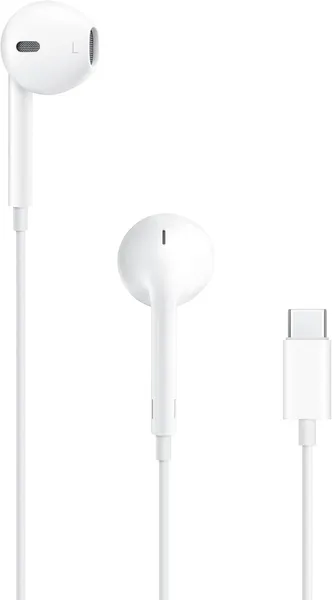
These are plain wired earphones with a USB-C plug instead of Lightning — and that's exactly why they're suddenly relevant again. The sound is decent, the mic does its job, the price is a joke in a good way. But this is not AirPods, and if you're expecting wireless magic, you'll be disappointed within the first five minutes.
I've got maybe five old Lightning earphones sitting in a drawer, leftovers from various iPhones, and none of them plug into anything anymore now that the phone runs USB-C. Sound familiar? That's exactly the gap Apple built the USB-C EarPods to fill — not because the company suddenly fell in love with cables, but because the iPhone 15's connector switch left millions of people with a stack of useless spare earphones. These earphones answer one simple question: what do you plug into your phone when your AirPods die and there's no wireless speaker around.
Honestly, when I first saw wired EarPods being sold in 2026, my reaction was "why, seriously?" The whole world went wireless something like seven years ago. But then I remembered all the moments where a cable saves you: a call during an important meeting when your AirPods hit 3% out of nowhere; on a plane, where Bluetooth earbuds sometimes pick up interference from the seat next to you; on a run, when you don't want to risk losing a tiny earbud in the grass. A cable never disconnects mid-sentence.
They sound exactly the way EarPods have always sounded — not an audiophile bass explosion, but a sensible compromise. Bass is modest because the earpiece shape isn't built for a tight seal (these aren't in-ear tips), but mids and vocals come through clean, without mud. For podcasts, calls, and shows on the train, that's exactly what you want. For rehearsing with a band and a complex mix, no — that's a different category of gear entirely.
The inline remote is a whole separate reason these still make sense despite the wireless trend. One button handles play/pause, volume is right there on the cable, no need to dig your phone out mid-meeting or on a packed train. The mic sits close enough to your mouth that calls pick up your voice, not the room around you — tested on real Zoom calls with a window open in the middle of summer. AirPods sometimes lose this battle: wind hitting the stem mic is basically a meme at this point.
The real comparison here isn't against some rival product, it's against an earlier version of itself — the old Lightning EarPods. Functionally there's almost no difference; only the connector changed. And that's actually a smart move: if you've got a newer iPhone or iPad with USB-C, these just work, no adapters that used to go missing faster than the earphones themselves. Compared to AirPods, the gap is obvious and honest: you pay far less, but you give up the "grab them from the case and they're already in your ears" convenience, automatic switching between Apple devices, and the whole wireless comfort everyone's gotten used to.
Price is where these earphones actually win. Check the full landed cost to your country on dede.sh — item, forwarding, and import duty rolled into one number — and you'll see you're getting genuine Apple sound, not some no-name Aliexpress pair whose mic picks up every gust of wind. For comparison, a set of AirPods costs several times more, and if your only goal is "something to answer calls with," paying extra for wireless and a case with a charge indicator doesn't buy you much.
Who these are for: students who keep losing their earphones and aren't about to buy AirPods for the third time this year; anyone whose old iPhone just got replaced by a new USB-C one, leaving a pile of dead Lightning earphones behind; people who take a lot of work calls and want a stable connection without fiddling with Bluetooth pairing. Who these aren't for: if you run, work out, or just hate the feeling of a cable snagging on your clothes, go with AirPods or dedicated wireless sport earbuds with ear hooks instead. Compromise number one is obviously the cable itself — it genuinely gets in the way if you're used to moving freely. Compromise number two is the basic sound with no active noise cancellation, so on a loud subway or a plane you'll still hear everything around you.
Buy or skip? If you've got a newer USB-C iPhone and need a reliable spare pair, buy them, don't overthink it. If you're already used to AirPods and looking for an upgrade, this isn't it — look at models with active noise cancellation instead.
שאלות נפוצות
No, the connector is physically different — this is USB-C, not Lightning. For older iPhones you'd need either a separate adapter or the original Lightning EarPods.
Depends on the use case. For everyday calls, podcasts, and shows, wired EarPods handle it just fine and cost next to nothing. AirPods are worth the premium if wireless freedom, automatic device switching, and noise cancellation actually matter to you — otherwise you're paying for convenience you won't use.
Yes, USB-C is a standard connector, so technically you can plug them into any device with a USB-C port that supports audio over that port. But the volume and remote controls are built for iOS, so some functions may not work on other systems.
Technically yes, but I wouldn't recommend it — the cable gets in the way during active movement, and EarPods don't sit as securely in the ear as sport models with hooks. For the gym, look at wireless options with a proper fit instead.
Looking for something else to pair with a new phone, or an alternative to these — check the smartphones catalog for accessories worth comparing on price:
![FNTCASE for Galaxy A17-5G Phone Case: for Samsung Galaxy A17 with [Built-in Screen Protector & Kickstand] [Military-Grade Dro](/img/products/fntcase-for-galaxy-a17-5g-phone-case-for-y9hrch/0-600.webp)