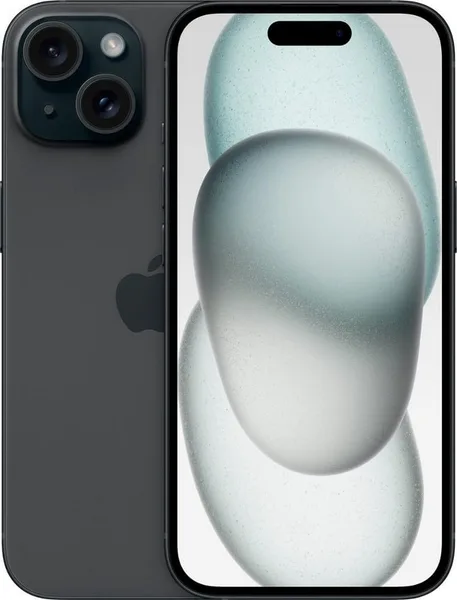
iPhone 15 Plus review: is it still worth buying in 2026
The iPhone 15 Plus isn't a fresh flagship anymore — it's the "big screen for less" option: USB-C, Dynamic Island, and a battery that shrugs off two full days, but no Action Button and no Pro camera system. If what matters to you is a 6.7" screen at a price well below the 15 Pro Max, buy it. If you want Apple's best camera or can wait another six months, look elsewhere.
Picture this: you're standing in a shop, or scrolling a marketplace at 1am, trying to decide between the "plain" 15, the Pro, or the Plus. The Pro costs half a month's paycheck, the regular 15 feels cramped after an Android phablet, and the Plus... somehow always ends up overlooked. Which is a shame, honestly.
So what actually is this phone
The iPhone 15 Plus is the same 15, just stretched to 6.7 inches, with a battery that genuinely lasts two relaxed days of use — not for TikTok marathons, to be fair, but for people who call, text, and occasionally watch YouTube. The Super Retina XDR display comes with Dynamic Island, that pill-shaped cutout that surfaces timers, music, and your Uber right at the top of the screen. If you're still on an iPhone 12 or 13, this will feel like a real jump — brighter, with peak sunlight brightness that actually saves you on a beach in July.
The big practical news is that the Apple iPhone 15 Plus 128GB finally switched to USB-C. Sounds minor, but it's the moment you get to throw out the spare phone cable and charge it with the same cord as your laptop, your headphones, and — heaven help us — your electric toothbrush. For some people that's one less slot taken up in a bag; for others it's finally an excuse to buy a proper 65W GaN charger and top up everything at once.
Living with it day to day
Camera-wise, you get the same 48MP main sensor as the standard 15 — solid in daylight, a bit smeary in low light next to the Pro models. Portrait mode works even without switching into a dedicated shooting mode; Apple taught the software to recognize faces and pets automatically, which is genuinely useful when you're photographing a kid or a cat and have zero time to fiddle with settings.
What you don't get is a telephoto lens or the Action Button — both reserved for the Pro line. If you shoot concerts or distant subjects, that's a real downside; digital zoom falls apart into a pixel mess fast. If your photography is kids, food, and documents, you won't notice or care.
The body is aircraft-grade aluminum instead of the Pro's titanium, and oddly enough, that's a plus — the phone is lighter and doesn't turn into an ice cube in winter. Scratches show up less on aluminum than people assume, too; the reflective steel on the 13-series models was far worse in that department.
Stacked against its main Android rival — something like a Samsung Galaxy S24+, also big, also with solid battery life — the iPhone wins on software support (Apple keeps flagships fed with updates for 5-6 years), but loses on customization and charging speed (fast charging here still trails most Android flagships). If you're already in the Apple ecosystem — Mac, AirPods, iPad — the Plus slots right in. If you came from Android and care most about fast charging and a top camera for the money, it's at least worth glancing at Samsung.
What it costs, and whether paying more makes sense
Amazon US currently lists it at $549.99 — noticeably below its launch price. Add shipping, duty, and payment fees on top, and you can see the full landed cost for your own country on dede.sh: not pocket change, but for that number you get a phone that will realistically outlast the average Android flagship in the same price bracket, purely because iOS support runs so much longer.
Is it worth paying extra for 256GB over the base 128GB? If you're not shooting 4K video in bulk and you use iCloud or another cloud service, 128GB will last you years. This isn't the kind of phone where storage runs out in six months, the way it did with the 64GB models of a decade ago.
Who should buy it, and who shouldn't
Buy it if: you want a big screen without the Pro Max price tag, battery life matters more than anything else to you, and you're fine with a camera that's basically "the regular 15's, minus the zoom." This is especially true if you're upgrading from an iPhone 11 or 12 — the jump in screen, battery, and USB-C will hit you immediately.
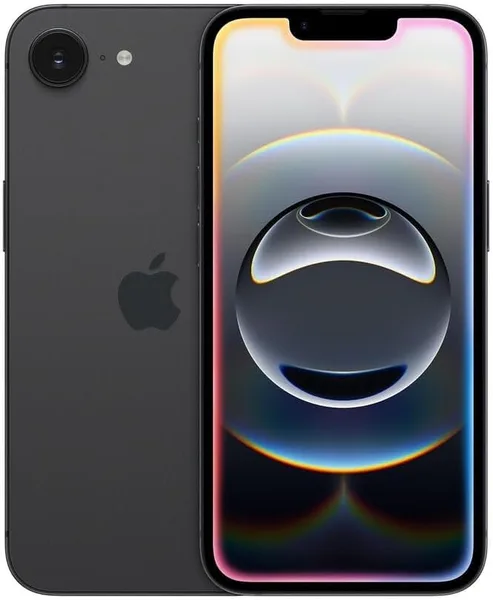
Skip it if: you're an amateur photographer who needs real zoom and Pro RAW shooting modes, or if compactness matters to you — 6.7 inches genuinely doesn't sit well in one hand, tested personally. In either case, look at the standard iPhone 15, or even the newer and cheaper iPhone 16e, which is smaller and runs a newer chip despite the lower price.
There's really one main trade-off here — you're paying a near-flagship price for a phone without the flagship camera. A second, less obvious one: this is no longer Apple's newest silicon, and in a year or two the performance gap versus newer models will be more noticeable than it is today.
שאלות נפוצות
If the price gap actually stings, get the Plus. The Pro Max only makes sense if you'll genuinely use the telephoto lens and the Action Button — otherwise you're paying extra for titanium and a "Pro" badge.
For most people, yes. Unless you're hoarding thousands of photos and videos locally without cloud backup, 128GB will hold up for years. Shoot a lot of 4K? Look at the 256GB option instead.
It does, if the price is meaningfully lower — and it already is. What matters to you is the screen, the battery, and USB-C, not the fastest chip on the market. Chasing the newest silicon? Look at something more recent, like the iPhone 16e.
If you're already invested in the Apple ecosystem, no, it's not worth the switch. If you came from Android and aren't tied to AirPods and Mac, it's at least worth comparing against a Samsung Galaxy S24+ — faster charging and more flexible camera controls there.
Worth a look too: