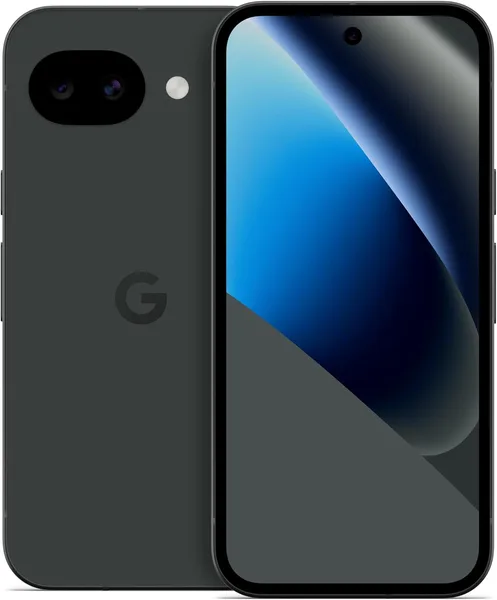
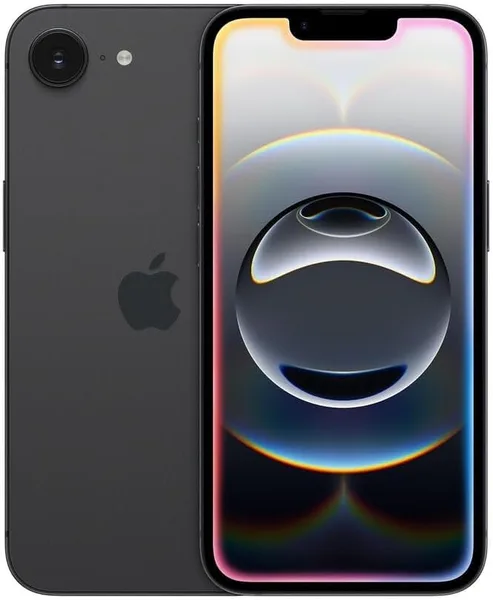
Google Pixel 10a review: is it worth choosing over the iPhone 16e
The Pixel 10a is for people who are tired of phone bragging rights and just want something that takes good photos, lasts two days on a charge, and doesn't lag. It's not a flagship and doesn't pretend to be. At around $499 before fees, it's one of the rare mid-rangers where the trade-offs are real rather than buried under marketing copy — check the full landed price to your country on dede.sh (device, forwarding, and import duty combined) before you decide.
Picture this: Friday evening, you're out at the cabin with no outlet in sight, and the phone that promised "all-day battery" is dead before midnight. Sound familiar? Google apparently got tired of hearing that complaint too, because the Pixel 10a packs a battery that squeezes out more than 30 hours in power-saving mode. Not a marketing number with an asterisk about "ideal conditions" — something you can actually feel, as long as you're not gaming all day.
What this phone actually is
The Pixel 10a is the little brother in the lineup — the one people buy not for status, but because they want a phone that just does its job. And there's an interesting twist here: the camera's strength isn't the hardware (the sensor is unremarkable, nothing exotic), it's the software. Google has always won on computational photography while competitors pile on megapixels. The new Camera Coach is a feature nobody's really nailed before — it tells you in real time how to frame a shot, where to shift, when to pause before capturing motion. Sounds trivial until you try photographing a kid on a playground without motion blur — that's when the "wait a second" nudge saves the shot.
Honestly, for the first few days I was skeptical of Camera Coach — great, another "smart assistant" nobody asked for. But once you actually shoot something more demanding than food on a plate — a party, sunset through trees, a pet that never sits still — it becomes clear this isn't gamification for its own sake. It's a genuinely useful prompt for someone who doesn't know shutter speed from aperture.
Battery life — the main reason to buy it
This is where the Pixel 10a genuinely beats most competitors in its price bracket. 30+ hours isn't a record for smartphones overall, but for a device this size and price, it's noticeably above average. In practice: morning coffee, a workday of email and social scrolling, an evening walk with navigation running, an episode before bed — and there's still charge left the next evening. Compared with the iPhone 16e, which also holds up decently but still demands a nightly top-up without exception, the Pixel 10a gives you that extra safety buffer for the day you forget your charger or just can't be bothered hunting for an outlet at a café.
Then there's Gemini — not a separate app you have to open, but a built-in assistant that actually understands context. Ask it to rephrase a message, summarize a long email, or even help you make sense of an error screenshot, and it just works, no workarounds needed. Compared with how often Siri still trips over simple requests, the difference is obvious immediately.
Where the phone disappoints
Now for the honest downsides, because a review that's all praise is really just an ad. First, this is a mid-range device, and it shows in the small stuff: the screen isn't the brightest under direct sun, and the body — nice to hold, that obsidian-black finish looks sharp — doesn't feel as premium as the flagship Pixels. Second, performance is fine for everyday use, social apps, navigation, and light gaming, but heavy modern titles at max settings will stutter here. If you're a gamer chasing something like Genshin on ultra, this isn't your phone.
One more thing that personally bugs me about all the mid-range Pixels: feature updates sometimes arrive later than on the flagships, though security patches land on time and for a long stretch — Google still beats most Android makers on that front.
Who should buy it, and who shouldn't
If you want a phone that "takes better photos than you would" without babysitting a charger twice a day, the Pixel 10a nails that almost perfectly. Parents photographing kids, people who travel a lot and don't always have an outlet handy, anyone who values clean Android without a manufacturer's bloatware — that's the target audience.
But if gaming or a screen bright enough to watch video in direct sunlight is your top priority, look at other models in the same price bracket where the trade-off runs the other way — stronger hardware at the cost of battery life. Compared with the Google Pixel 10a, Android rivals from Xiaomi are often cheaper but fall short on update longevity and photo processing quality — it's up to you to decide which matters more.
On price: the base offer starts around $499, and once you factor in shipping and import duties, the full landed cost will vary a lot by country — that's exactly what dede.sh calculates for you, so check the number for your own country before comparing it against local retail prices, since importing isn't always the cheaper option if the local price is already reasonable.
שאלות נפוצות
For most people, yes — especially if you lean on Google Photos cloud backup. But if you shoot a lot of 4K video or keep a large offline library of music and movies, look at the higher-storage version from the start, since there's no memory card slot to expand it later.
If you're already in the Apple ecosystem, there's no real reason to jump ship. If you're choosing from scratch and value camera performance and battery life over brand, the Pixel 10a wins on value, especially thanks to Camera Coach, which the iPhone simply doesn't have.
That's exactly the point. This feature isn't aimed at professionals — it's built for people who don't know how to frame a shot properly. And it's not an extra cost; it comes standard, not as an add-on purchase.
The advertised 30+ hours is more of a power-saving-mode figure. With GPS constantly on and the screen at full brightness, expect a solid full day of active use plus some buffer into the evening — still better than most competitors in this segment.
Worth a look while you're at it: