Google Pixel 8a: Is It Worth Buying?
Google Pixel 8a 5G in Renewed condition with an Obsidian body is genuinely impressive with its Tensor G3 chip and camera that hold up surprisingly well in used condition. But this particular unit is locked to AT&T, and that's where the real trap for buyers outside the US lies. If the seller can't guarantee an unlock in writing, don't buy it no matter how cheap the listing price looks.
Picture this: you're scrolling through Amazon looking for a cheap Android with a solid camera, and suddenly you spot a price that makes your eyes pop out of your head. That's exactly what the Google Pixel 8a 5G, 128GB + 8GB RAM, Obsidian - Locked to AT&T (Renewed) listing looks like at $17.99. Honestly, my first instinct was that this was either a database error or a bait-and-switch card price, because even the most beat-up Pixel 8a doesn't sell for under a hundred bucks on the secondhand market. So rule number one: before celebrating, message the seller and verify the real price and contract status. These anomalies happen on marketplaces regularly, and nine times out of ten there's either a technical mistake or something unpleasant in the fine print.
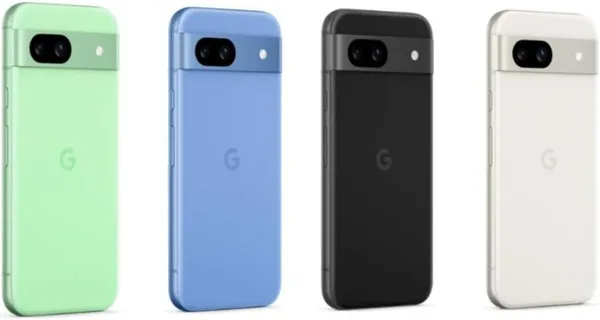
Now for the phone itself, because it deserves its own conversation. The Pixel 8a came out in 2024 as the younger sibling to the Pixel 8, and Google did something unusual — they squeezed in the same Tensor G3 chip as the flagship, cutting corners only on the screen (slightly lower pixel density and less bright display) and the camera (one fewer lens). In real-world use, the difference feels way less dramatic than it sounds on paper. Daytime photos are vibrant with nice skin tones on portraits, and night mode pulls detail out of shadows where your typical Samsung mid-range would just paint noise. Google's Tensor Camera Software has long been considered one of the best processing jobs among budget Android phones, and that's exactly what draws people to the Pixel a-series — you're paying for flagship software in a mid-range body.
But there's a catch that completely changes the picture for buyers outside the US: this particular unit is Locked to AT&T. That means the phone is carrier-locked to the American operator and without an official unlock won't accept a standard SIM card for calls and mobile internet — it'll only work through Wi-Fi. AT&T only grants unlocks under specific conditions: the phone must be fully paid off, and at least 40 days of active use on their network must have passed since activation. Renewed-product sellers often either already unlocked the device before reselling it or completely ignore this detail hoping you won't figure it out. So your first move should be to directly ask the seller about the IMEI status and request a screenshot of verification from AT&T's website or a service like IMEI.info. Without this confirmation, buying a locked phone for use outside the US is essentially a lottery with really bad odds.
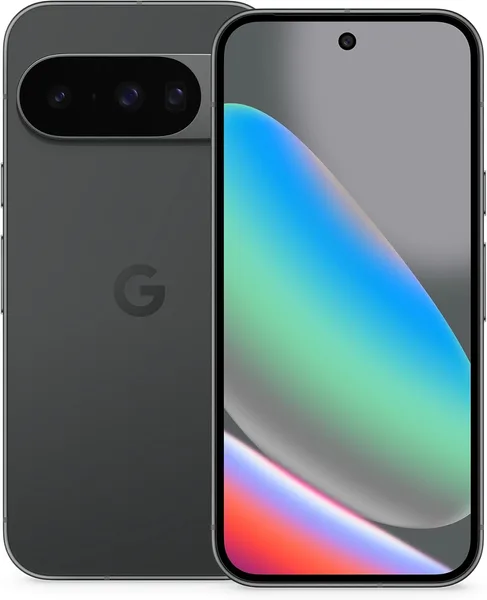
When you compare this against alternatives, the picture gets more interesting. The same smartphone catalog on dede.sh is full of unlocked options — and that's the key difference. For example, the newer
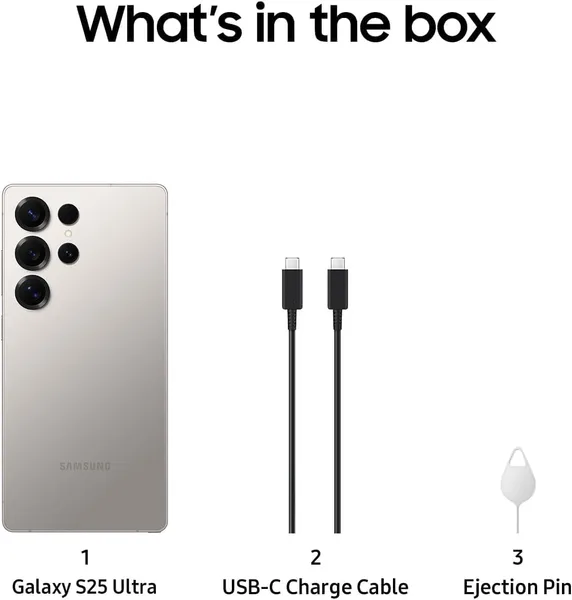
already comes Unlocked, meaning no headache with unlock hassles, even if the price is higher. And if you compare against Android flagships in other brands, Samsung Galaxy S25 Ultra plays in a completely different league — bigger screen, S Pen, more powerful battery, but the price is a different conversation entirely.Real-world use of the Pixel 8a reveals something else that sellers won't mention: battery condition in "renewed" devices is a lottery. Google officially rates the battery for a full day of active use, and on a new device this holds up easily. But "renewed" means this phone already had a life with someone else, and battery health depends on the specific unit — one person gets a device at 95% capacity, another at 80%, and you can't tell from the outside. I'd recommend checking battery health right after receiving it via the code ##4636## or an app like AccuBattery while the return window is still open.
Design-wise it holds up decently — the matte Obsidian body isn't as fingerprint-prone as glossy flagships, and it feels good in hand thanks to the non-massive 6.1-inch screen. That's actually another reason Pixel a-series fans prefer it over the 6.7-inch slabs that don't fit in jeans pockets.
Who should buy this specific unit? Honestly, almost nobody outside the US if the seller can't provide unlock confirmation in writing. If they do confirm it and the price turns out to be real (not a database artifact), this could be one of the best deals on the renewed Pixel market. Definitely don't touch it if you want "buy and forget" simplicity: the carrier lock, unknown battery condition, and renewed status together make a risky combination for someone not prepared to do IMEI checks and seller negotiations.
The compromise here is significant: either you save serious money and accept the risk of a locked phone and battery roulette, or you look straight at unlocked versions where the premium basically buys peace of mind.
שאלות נפוצות
Not until the phone is officially unlocked by the carrier. Without the unlock, the device will only connect to Wi-Fi, and calls plus mobile internet through any carrier outside the US won't work. Always demand unlock status confirmation from the seller before paying.
Absolutely, without hesitation, if you're buying for everyday use outside the US. The price difference pays for itself quickly through the absence of unlock headaches — this is especially relevant for models like the unlocked Pixel 10, where this problem simply doesn't exist.
Pixel wins on photo processing thanks to Google's software, especially at night and on portraits. Samsung A35 takes the bigger screen and battery, but its camera is mediocre even by its own class standards.
For most people — yes, especially if you actively use Google Photos cloud storage. But if you shoot lots of 4K video or keep an offline music library, look for models with more capacity.