JBL Tune 510BT Review: The Headphones People Buy Just to Have Them Work
The JBL Tune 510BT aren't a dream pair of headphones — they're headphones that just work: 40 hours of battery life, JBL's signature bass, and a price around $30. No active noise cancelling, and the fit is nothing fancy. But if you need a reliable "put them on and forget about them" pair, this is one of the few options in this price range you won't feel bad about.
You know the situation. Your last pair vanished on the subway, the charger disappeared with it, and you needed new ones yesterday. Not for $250, not with noise cancelling you'll use twice a year, and not with an app that has five confusing tabs — just something that plays music, holds a charge, and doesn't dig into your ears during a long Zoom call. That's exactly the gap the JBL Tune 510BT were built to fill.
What these headphones actually are
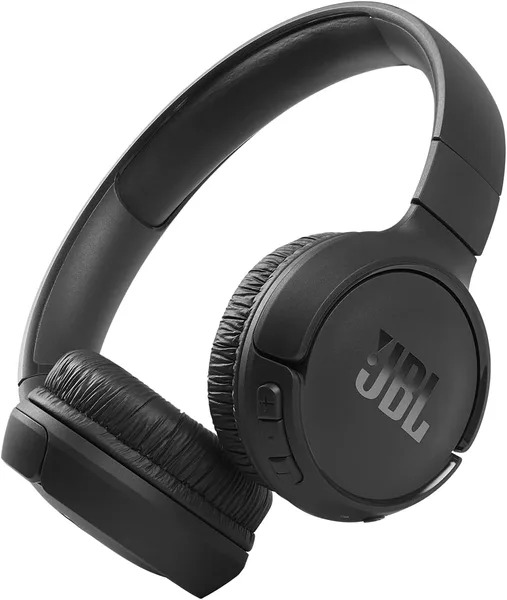
These are on-ear, nearly closed-back Bluetooth headphones with a built-in mic for calls — the entry point of JBL's massive Tune lineup, which has apparently existed forever and comes in about a dozen variations. The 510BT is the same formula that made the brand a go-to for people who don't want to learn audiophile vocabulary: a foldable design, soft ear pads, large on-ear cups, and physical buttons on the side instead of touch panels you have to guess at through a jacket pocket.
The headline number people buy these for is up to 40 hours on a single charge. That's not a marketing figure buried in fine print about "ideal conditions" — it's a genuinely noticeable perk. A full week of daily commuting without ever thinking about the charger is real comfort. Compared to similarly priced rivals like the Sony WH-CH520 or Anker Soundcore models, JBL is either matching them or edging slightly ahead on battery life.
How they sound and how they fit
Let's be honest: this is classic JBL sound — bass cranked up, mids sitting a bit further back, highs kept from being harsh. For pop, hip-hop, or a workout playlist, it works great; the bass is physical even through cheap plastic drivers. But if you listen to acoustic music or jazz and you're used to a neutral sound signature, it'll feel like someone added extra spice you never asked for. That's not a flaw — it's brand philosophy, and no amount of fiddling with the EQ in the JBL Headphones app will change it.
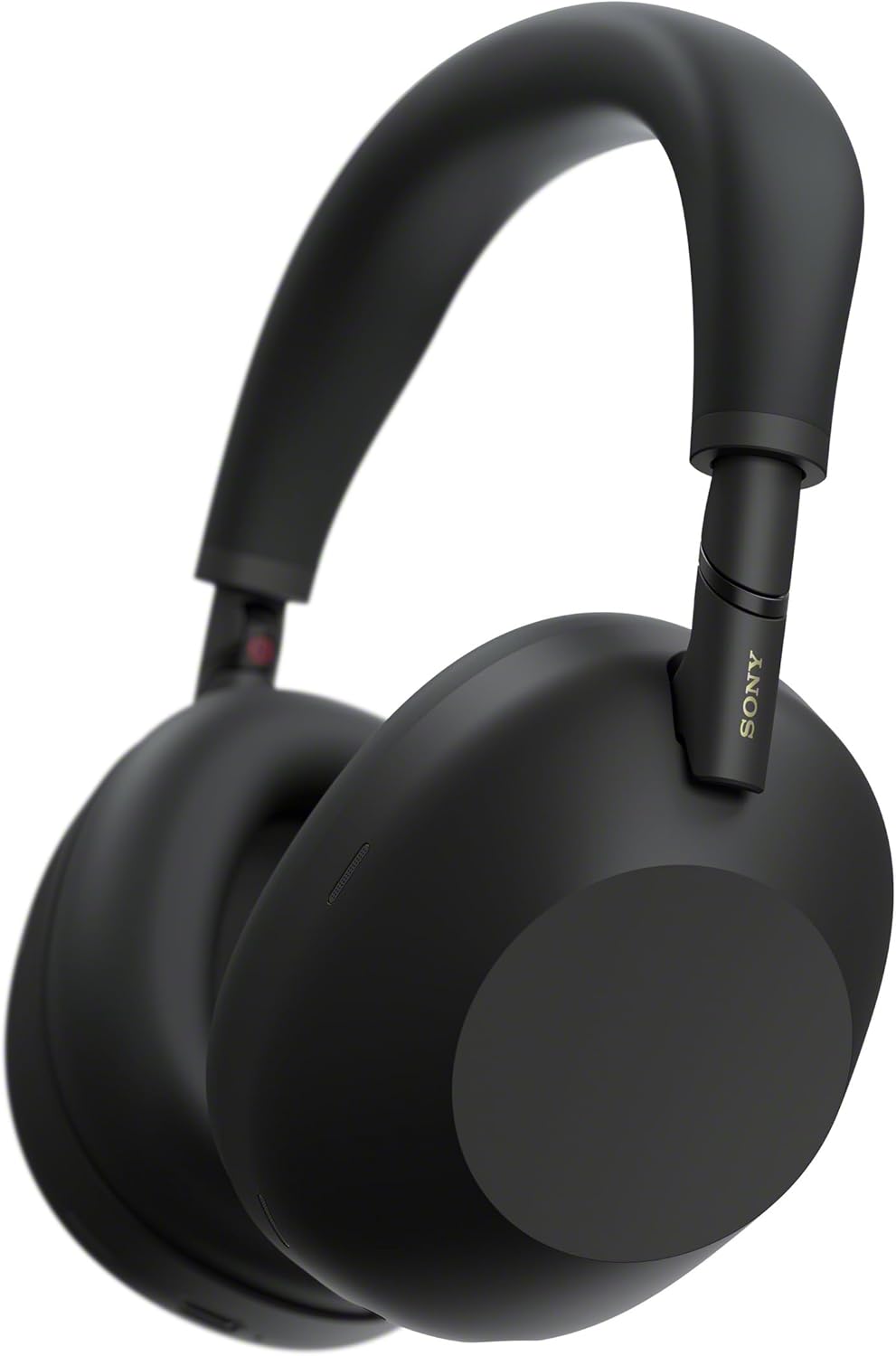
The fit deserves its own paragraph. On-ear means the cups rest ON your ears rather than around them, unlike full over-ear models such as the Sony WH-1000XM6. The first half hour is great — they're light and barely noticeable. But after two or three hours on a train or a long call, your ears start to feel it. That's just physics — pressure, not a manufacturing flaw. If you have sensitive ears or wear glasses with thick frames, factor that in before buying.
The call mic is functional, nothing more. Your voice comes through clearly in a quiet room; outside in the wind or in a café, the other person will hear background noise, though they'll still understand you. This isn't a call-center headset — it's more "answered the phone while making coffee."
How this compares to what people actually do instead
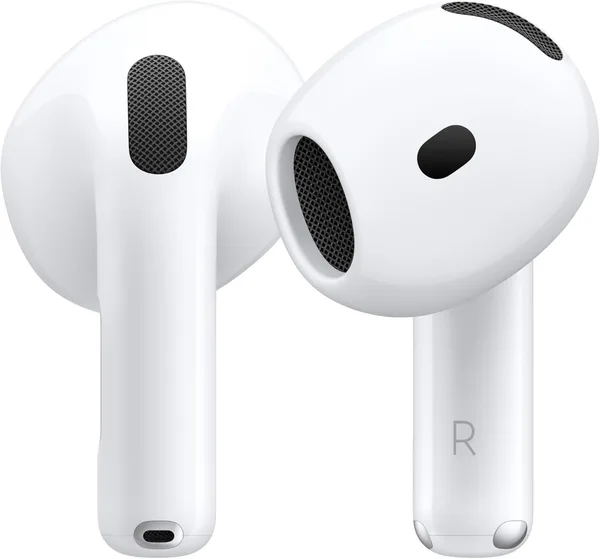
The typical scenario: either cheap no-name TWS earbuds from AliExpress that die within a year, or an overpriced flagship with noise cancelling you'll actually use once a month on a flight. The JBL Tune 510BT sits right in the middle, and that's precisely its strength. You're paying for a brand with real support behind it — spare parts, warranty, stable firmware — for solid Bluetooth 5.0 that doesn't drop out, and for battery life that beats most TWS earbuds in this price bracket several times over. To be fair, TWS earbuds are more practical at the gym: there's no cable between the cups here, but there is a headband, and running in these isn't as comfortable as in true wireless earbuds.
What it costs and whether it's worth it
On the marketplace, the price hovers around $30 — one of the cheapest ways into the JBL brand without stepping down to unbranded sound. Rather than quote a single currency figure that won't mean much depending on where you live, check dede.sh for the full landed price to your country — item, forwarding, and import duty rolled into one number — before you decide.
The honest verdict
Get them if: you need simple, reliable headphones for daily commuting, calls, and background music, and your budget tops out around $30-40. Battery life here is genuinely excellent for the price, and the Bluetooth connection doesn't glitch.
Skip them if: you listen to music as a serious hobby and care about sound detail, or you plan to wear headphones for 5+ hours at a stretch — the on-ear fit will start to bother you. In either case, look at over-ear models or TWS earbuds with silicone tips instead.
Two real trade-offs worth accepting upfront: there's no active noise cancelling (just passive isolation from the ear pads), and there's no flat-folding format for a pocket — this is a bulkier on-ear design that will take up space in a bag. If you're fine with that, this model earns every dollar of its price.
שאלות נפוצות
Unless you're flying often or working in a constantly noisy open-plan office, no. On the subway or on the street, the difference matters on a spec sheet, not in real-world use. Put the money you save toward a decent carrying case instead.
For running or the gym, TWS earbuds are more practical: no headband sliding around, and they're lighter in your pocket. The Tune 510BT is really built for work, commuting, and home use rather than sport, though they'll survive a session on the treadmill just fine.
Yes, with room to spare. At 3-4 hours of listening a day, that's 8-10 days without a recharge — one of the model's biggest advantages over TWS earbuds, which often need charging every single night.
For occasional calls, yes — the mic is clear in a quiet room. For daily hour-long conference calls in a noisy office, look at a headset with active mic noise cancelling instead.