MYNT3D Professional 3D Pen Review: Is It Worth Buying?
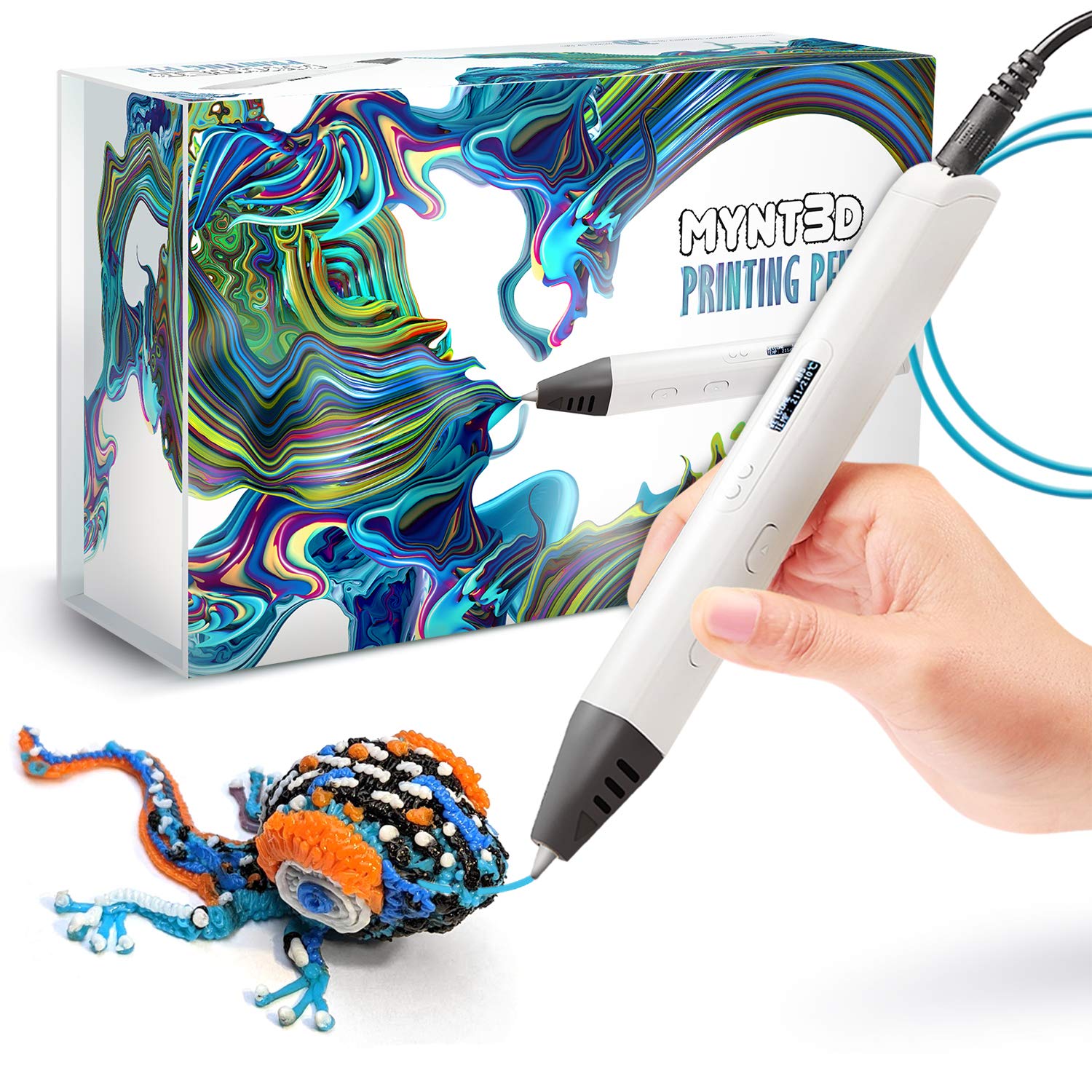
The MYNT3D Professional isn't some toy from a box labeled "3D pen for kids" — it's a proper tool with adjustable temperature and an OLED screen that actually shows you what's happening. If you've got even a little knack for models, prototypes, or fixing small stuff around the house, this pen pays for itself in a couple of evenings. Kids under 10 without supervision? Hard no — that's a hot nozzle, not a plastic stencil tip.
Picture this: your kid snaps the clasp on their pencil case, the leg falls off your headphone stand, and your neighbor wants "something cool like that" for a last-minute gift. The classic answer — "I'll buy a new one" or "I'll go hunt down a 3D printer and wait half a day for a print." But there's a third option nobody talks about: grab a pen that melts plastic and lets you draw in mid-air. Sounds like a circus trick, but that's exactly how the MYNT3D Professional works.
First Impressions — And Why They're Misleading
The box is modest, the pen lighter than you'd expect, and for the first five minutes you feel like an idiot because PLA strands stretch, curl, harden crooked, and it's completely unclear how anyone draws straight lines with this. That's normal. Honestly — everyone goes through it. The difference between a $15 cheap pen and the MYNT3D Professional shows up right here: the OLED display shows actual nozzle temperature in real time, not just a blinking "hot/cold" light like budget models. You see the numbers, know when the plastic is ready, and dial feed speed with a dedicated thumbwheel instead of holding a button and guessing.
That detail changes everything. Because when you're working with ABS — not just basic PLA — temperature is critical: too cool and the line delaminates, too hot and you get a molten puddle on the table instead of a clean contour. With the display you're actually controlling the process, not praying.
How It Performs
Compared to a classic pen like the 3Doodler (the first big name in this space), the MYNT3D wins on temperature control and the fact that it doesn't overheat to "painful to hold" after 20 minutes of continuous use — ventilation is better thought out here. Where it loses is grip comfort: the body is a bit thicker, and people with smaller hands (teenagers, anyone with slender fingers) will need a couple of days to adjust their grip.
Real scenarios where it earns its keep: fixing a broken cabinet hook, building a frame for a school project diorama, adding detail to a cosplay prop, making a cable organizer for your desk. Anything that needs "a bit of plastic right where there isn't any" — that's its parish. But if you're dreaming of printing something complex and symmetrical, like a miniature figure with clean facets — here the pen loses to a proper 3D printer. Hands shake, lines wander, perfect geometry by hand will never happen no matter how much you practice.
One thing nobody mentions in product descriptions: the smell. With ABS it's real, and noticeable. In an unventilated room after an hour you'll want to crack a window. PLA is much milder — barely any odor — which is why most first-time buyers end up switching to PLA filament and forgetting ABS exists.
Who Should Buy It, Who Shouldn't
Buy it if: you like making things with your hands, you've got teens at home interested in making stuff (with adult supervision — the nozzle gets genuinely hot, this isn't a plastic stencil tip for tracing), or you prototype and model regularly and want a faster reaction tool than a full printer.
Don't buy it if: you expect perfectly straight lines and industrial precision — physically impossible, your hand isn't a robot. Or if you need a "once a year toy for the kid" — a cheaper basic model makes more sense and you'll regret it less.
The current street price hovers around $52–53 — the lower end of what we see for this model, though offers north of $80 pop up depending on bundle and seller. So if you're buying, it pays to compare offers first; the spread is noticeable.
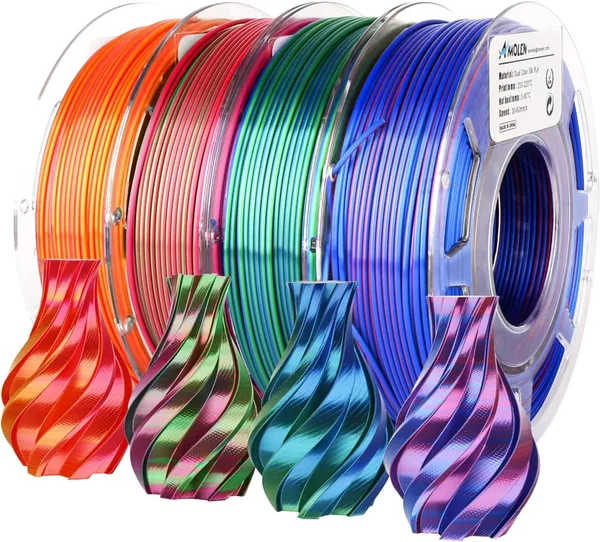
One real compromise to know upfront: filament runs out faster than you'd think, and you'll have to buy more separately — the box only includes a starter set literally "to try."
שאלות נפוצות
If you plan to work with ABS or different plastic types — yes, absolutely. Real-time temperature control isn't a flex; it directly affects line quality and whether you burn your fingers. If you're only drawing with PLA once a month — the simpler version will do fine.
Different tools for different jobs. A printer is precise, slow, and needs model prep in software. A pen is instant, freeform, but geometry lives or dies by how steady your hand is. For spot repairs and quick mockups the pen wins on response time; for production parts or complex geometry — printer, no question.
Not on its own — no adult supervision, no go. The nozzle hits temperatures that can leave real burns. With an adult nearby and a safety rundown — totally fine, and kids usually get hooked on the process faster than grown-ups.
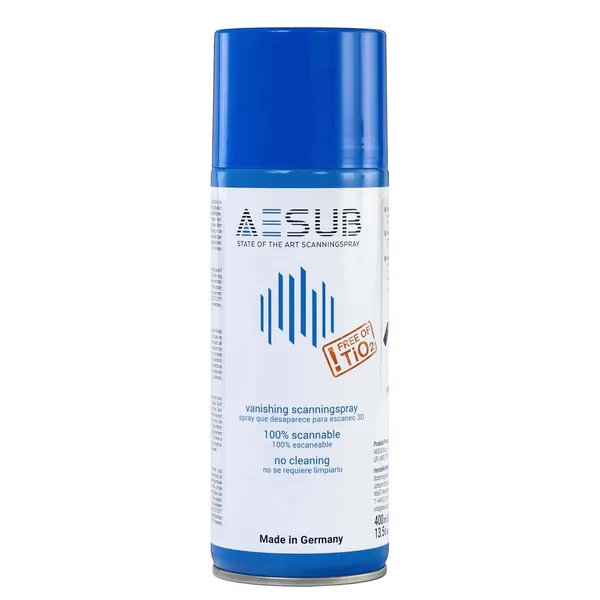
If you're eyeing accessories for this pen, check out the 3D printing catalog on dede.sh — they've got filament and all the little extras for scanning models too.