Apple iPhone 16e Review: Is It Worth Buying Over the iPhone 15?
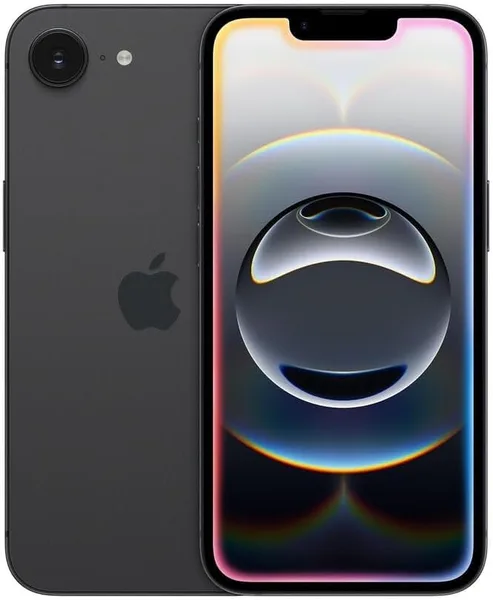
The iPhone 16e isn't a "cheap iPhone" — it's an iPhone with everything you can live without carefully trimmed away: the second camera, Dynamic Island, the MagSafe magnets. Inside, though, it's got the same A18 chip as the flagships, plus Apple's own C1 modem, which genuinely sips battery slower than you'd expect. Worth buying if what you want is the iOS experience for sane money — not the best camera or screen on the market.
A friend texted me: "my iPhone 12 finally died, should I get a new SE or this 16e thing?" And that's where it got interesting — because the SE doesn't exist anymore. Apple quietly buried it, and in its place there's the 16e, which looks like a flagship, costs like a mid-ranger, and behaves... differently, depending entirely on what you actually do with your phone.
First impression: this is not the plasticky SE with an iPhone-8 body anymore. In hand, the 16e feels like a proper modern iPhone — glass back, aluminum frame, a 6.1-inch OLED screen with slim bezels. But look at the top and you'll notice there's no Dynamic Island, just a plain black notch like the older models had. Sounds trivial? For some people it isn't: notification animations, timers, the music widget — all of it looks simpler on the 16e, without the party trick Apple's been advertising for years. I thought about it constantly the first week. Then I forgot about it entirely. That's how half of these "critical" spec differences go.
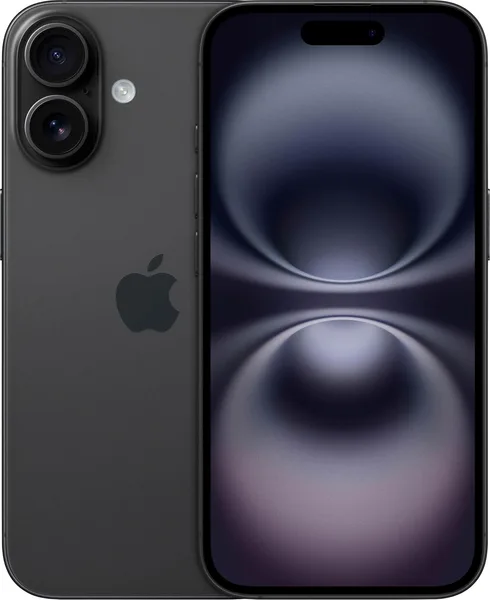
The camera is where Apple's call gets genuinely controversial. A single 48-megapixel main camera, no ultrawide module. If you shoot food, kids, and cats in normal daylight, this is plenty — the image is clean, colors are natural, and night mode pulls detail out of even a dimly lit kitchen. But if you're used to reaching for an ultrawide for architecture or group shots in a cramped room, forget it — it's not there, and Apple doesn't fake it in software either. This is the biggest concession you make buying the 16e, and honestly, it's the exact reason some buyers end up paying more for the regular 16 instead.
Now for what actually surprised me: the C1 modem. This is Apple's first in-house modem — Qualcomm supplied every previous one. Instead of the teething problems I expected, I got a phone that holds a charge noticeably longer than the iPhone 15 under identical use — roughly half a day of extra scrolling before it dies. Signal on the subway is just as solid, calls don't drop. The only catch: 5G behaves slightly differently on some networks compared to the Qualcomm models — a millisecond-level difference that only someone playing mobile shooters over 5G while walking around would ever notice. That's a tiny audience.
Performance holds no surprises and no corners cut: it's the same A18 chip that ships in the regular iPhone 16. Genshin Impact runs maxed out with no stutter, video editing across multiple apps stays smooth. Apple Intelligence is on board too, though depending on your language it's still more of a "box ticked for the future" than something you'll actually lean on tomorrow.
Charging is where the small annoyances live. MagSafe is technically there, but the magnets inside are weaker, so some wireless chargers and power banks grip less confidently than they do on the 16 or 16 Pro. USB-C is standard now, which isn't news anymore, but if you're upgrading from an old Lightning iPhone, it's a nice bonus — one cable for the whole house.
Who should actually consider the iPhone 16e: anyone stepping into the Apple ecosystem for the first time or coming back from Android, anyone who cares about 5-6 years of future software support, and anyone willing to give up the second camera for a better price. The base 128GB model runs well below the price of the regular 16 on marketplaces — check the full landed price to your country (item plus forwarding plus import duty, all in one number) on dede.sh, since it's not pocket change once shipping and duties are added on top.
Who shouldn't bother: amateur photographers who need that ultrawide lens on principle, gamers chasing every last millisecond of ping, and anyone for whom Dynamic Island has already become a habit they can't shake. Their money goes straight to the 16 or 16 Pro instead.
Honestly — if you stop comparing it to other iPhones and look at Android competitors in the same price bracket, the picture shifts. For similar money, Android gives you flagship-grade multi-lens cameras and faster charging. The Xiaomi Redmi Note 15 Pro, for instance, offers noticeably more hardware per dollar — but that's a different philosophy entirely, Android instead of iOS, and only you can decide what actually matters: the ecosystem or the numbers on the spec sheet.
FAQ
If the second (ultrawide) camera or Dynamic Island genuinely matter to you, yes, the premium is justified. If you couldn't care less about either, the 16e covers every base need — put the price difference toward a good case and screen protector instead, because that glass back is nervously slippery.
Depends what you're chasing. If your goal is specifically iOS and long-term update support, get the 16e and you won't regret it. If camera and screen quality are what matter most, a flagship Android like the Galaxy S line is objectively stronger in photography for the same money.
For photos, messaging apps, and a handful of everyday apps, 128GB is enough, especially if you lean on iCloud. If you shoot a lot of 4K video or keep an offline library of music and films, get 256GB from the start — iPhone storage can't be expanded later.
Coming from the 14, there's not much point — the difference really only shows up in the modem and a modest chip speed bump. Coming from the 13 or older, the upgrade is worthwhile, especially for the extra years of iOS updates you bank going forward.