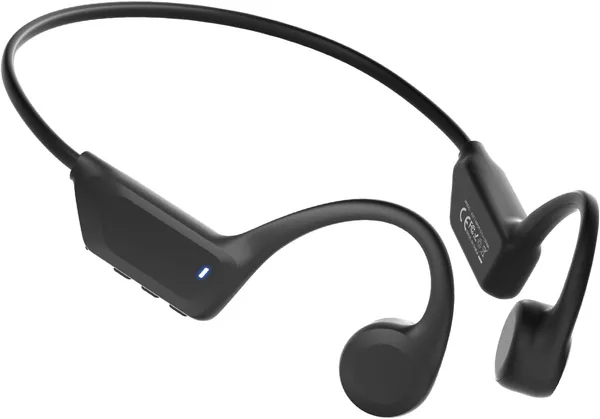
Gelecek New Waterproof Bone Conduction Headphones Review: Are They Worth It?
Bone-conduction headphones for roughly the price of a decent dinner out — and that alone is reason enough to give them a look. The sound won't wow you, bass is basically absent, but your ears stay open, sweat and rain don't bother them, and 10 hours of battery covers even a long mountain run. Expecting flagship Shokz performance? You'll be disappointed. Just want to hear traffic on your run without overthinking it? This does the job.
I run along the road most evenings, and a year ago I nearly got clipped by a cyclist because a podcast was blasting in my ears. Classic headphone trap: crank up the music, lose your street awareness. Bone-conduction headphones exist for exactly this problem — sound travels through your cheekbone instead of into your ear canal, leaving your ears free. The Gelecek New Waterproof is the cheapest way to find out whether this whole category actually works for you before you shell out for a pair of Shokz that cost several times as much.
The box, for what it's worth, doesn't oversell itself — no premium pretensions, and that's honest. At this price point you're not buying a brand, you're buying a function.
What it actually feels like on your head
The first impression is odd. There's none of the usual ear-plugging sensation — the sound seems to originate somewhere in your jaw. For the first ten minutes or so your brain pushes back a little, then it adjusts, and you genuinely forget you're wearing anything. That's the entire point of bone conduction: your ears stay fully open, so you hear cars, cyclists, and coworkers asking you something from across the room. For city use, that's a real, practical benefit — not a marketing line.
Where it falls short is bass. There's almost none, physically, because the sound bypasses your eardrum entirely, so low frequencies get swallowed by ambient noise. On a quiet park run that's not a dealbreaker — music sounds fine for talk shows and podcasts. But try playing something bass-heavy on the subway or a busy street and you'll end up cranking the volume, which your fellow commuters won't thank you for. Any closed-back pair, including budget options from the headphones catalog, will beat this on raw sound quality.
Bluetooth 6.0 is a pleasant surprise at this price — the connection locks on fast and doesn't drop even with the phone buried in a jacket pocket. Of the advertised 10 hours, real-world use at medium volume gets you closer to 7–8 — a familiar story for budget gadgets tested in a lab rather than in someone's actual life. Still plenty for a long run or a work shift; you won't need to charge it daily.
Waterproofing is the main reason a lot of people buy this model in the first place. Rain, sweat, pool splashes (not full submersion) — all fine. Running in a downpour is no longer a reason to leave the headphones at home, and that alone takes real stress off owning the thing.
What to compare it against
The benchmark in bone-conduction is Shokz OpenRun, and honestly, for sound and fit they're noticeably better: they sit tighter, vibrate less while running, and the top end is clearer. But they cost two to three times as much. If you're a serious runner and headphones are daily gear you'll use for years, that gap is worth paying for. If you just want to try the format without risking real money on "what if I hate it," the Gelecek settles that question much more cheaply.
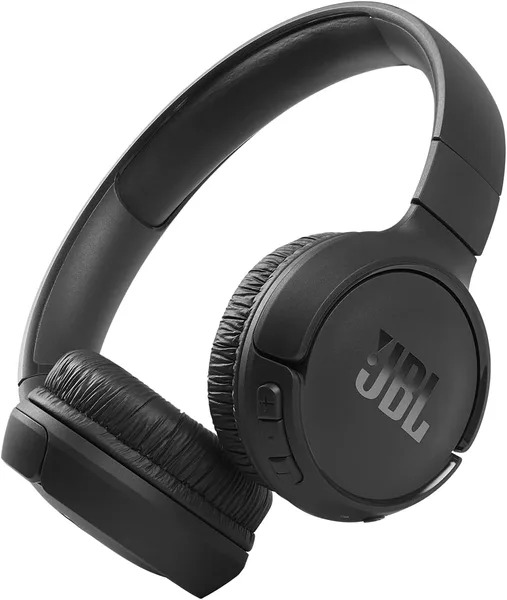
Against regular wireless earbuds like AirPods or JBL, it's a completely different game. If your priority is sound quality and noise cancellation for an office or a flight, look toward the classic options in the headphones catalog instead. Bone conduction is a niche tool for outdoor activity, not a replacement for proper music headphones.
Who should buy it, and who shouldn't
Buy it if: you run or cycle around town and want to hear traffic; you sweat a lot or train in the rain; you wear glasses and have always been annoyed by how regular earbuds fight with the frame (the over-ear hook here clashes less, though not never); or you just want to try the technology without financial risk.
Skip it if: you listen to music at home or care about bass and detail in your headphones; you commute on a noisy subway and expect noise isolation — by design, this format simply doesn't offer that; or you want a premium brand and a guaranteed perfect fit out of the box.
Rather than quoting one price, check the full landed cost to your country on dede.sh — item, forwarding, and import duty rolled into a single number. As an entry point into the bone-conduction category, it lands in reasonable territory, especially next to the flagship models in the same niche.
The main trade-off here isn't hidden or surprising — at this price, you're swapping sound quality for open ears and water resistance. If that's the trade you actually want, the headset delivers honestly. If it isn't, you're better off looking at conventional headphones from the start.
FAQ
If you run regularly and headphones are a daily tool you'll rely on for years, the difference in fit and sound is noticeable and worth the extra cost. For a first taste of the format, Gelecek is a perfectly sensible, no-premium starting point.
On full playback at medium volume, the real-world 7–8 hours might not quite cover the whole distance. For training runs and daily use there's plenty of margin, but marathoners should carry a backup pair or a charger in their hydration bag.
The stated water resistance covers rain, sweat, and splashes — not full submersion or swimming underwater. For the pool, look for a model rated specifically for that.
If your main goal is hearing traffic and staying aware of your surroundings, bone conduction wins. If you need noise isolation on the subway or in an office, regular headphones from the catalog will serve you better.