Motorola Edge 50 Fusion Review: Is It Worth Buying in 2026?
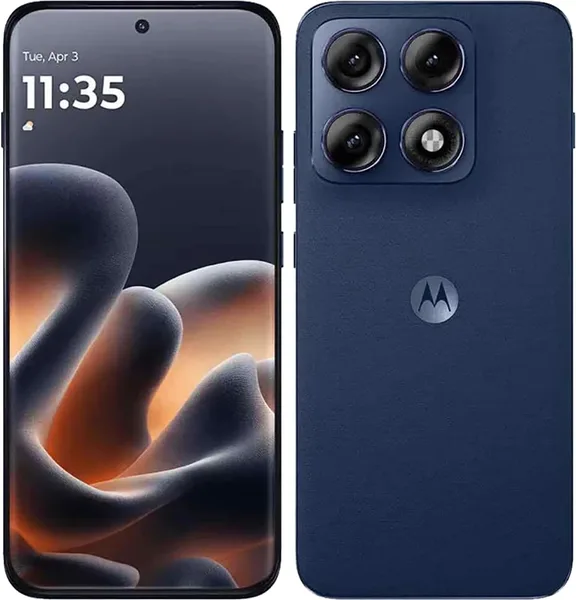
The Motorola Edge 50 Fusion is a mid-range phone with a curved 120 Hz P-OLED display, a tactile vegan-leather back, and surprisingly clean Android. It's not a flagship and doesn't pretend to be, but for the money it gets almost everything right: screen, battery life, looks. The weak points — low-light camera performance and the simple fact that it's a Motorola, not a Samsung or Google, with all the resale consequences that entails.
The device runs around $279 before forwarding and taxes, which always stack up when ordering from the US. See the full landed price to your country on dede.sh.
You're holding a phone that costs a hair over three hundred bucks, yet its screen curves over the edges like a thousand-dollar flagship. First impression of the Moto Edge 50 Fusion is exactly that — mild disbelief. As in, where's the catch?

The catch exists, of course. Just not where you'd expect.
What This Phone Is and Who It's Actually For
Motorola has been playing the same game for the last couple of years: take a mid-range chipset, slap on a screen and design worthy of a much pricier tier, and sell it for what competitors charge for plastic and LCD. The Edge 50 Fusion is the latest round. A 6.7-inch P-OLED curved along the sides, 120 Hz, bright enough that you can actually read it under summer sun in Odessa or Kyiv — believe me, that's not a given in this bracket.
The back is vegan leather (that's the fashionable term now), and it's not marketing fluff. In hand, the phone feels nicer than its glass-and-plastic peers, doesn't slide around, and doesn't hoard fingerprints the way glossy glass does. A small thing, but you feel it every day.
8 GB of RAM and a mid-range chipset — a combo that powers through daily tasks without questions: messengers, social feeds, navigation, light games like Subway Surfers or even Genshin on medium settings will run, though heavy scenes will stutter. For anything heavier — think Diablo Immortal maxed out — the phone will start audibly straining. Not its weight class, and that's honest.
Where the Phone Genuinely Shines
Battery life — no exaggeration here. A full day with juice to spare even under active use, and 68 W fast charging turns "forgot to charge overnight" into a non-issue during a morning coffee. Rare case where the box speed roughly matches reality instead of being a marketing number.
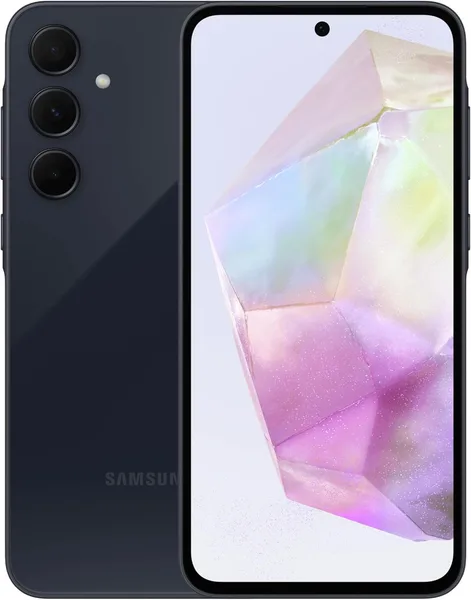
The screen — the main reason to pick this over a hypothetical Samsung Galaxy A35 at similar money. Curved edges aren't just for show: content occupies nearly the entire front, bezels are minimal, and P-OLED colors make Netflix shows and Instagram photos noticeably punchier than the usual IPS panels in this price range.
IP68 dust and water resistance is also present — accidental rain or a sink drop while washing dishes is no longer a catastrophe. In the sub-$300 segment that's still not standard, just a nice bonus.
Android here is nearly "clean," no bloatware layers or ads in system apps like some Chinese brands love. Updates promised for several years — not Pixel-long, but not the one-to-two-year abandonment of budget phones either.
Here's Where It Sags
Camera — compromise number one. In daylight with decent light, photos are perfectly fine: sharp, correct white balance, good enough for Stories and even prints. But the moment the sun drops and evening arrives — noise, mushy details, long shutter lag in night mode. This isn't the phone you pull out for party or bar shots.
Second point — it's still a Motorola, not Samsung or Apple. Resale-wise, a year or two down the line that fact noticeably dents the secondhand price in markets where Motorola demand runs lower than for a Galaxy S25 Ultra or even a Pixel. If selling quickly and profitably in two years matters — keep that in mind.
And the chipset, while peppy for daily stuff, is still mid-range: heavy games and extended sessions remind you this isn't about top-tier performance but a sensible price/quality balance.
Should You Buy It: The Honest Verdict
Yes, if your priorities are a great screen, pleasant design, and a battery that won't let you down, but your budget doesn't stretch to a flagship. In this segment the Edge 50 Fusion looks like one of the best compromises — better-looking than its class rivals and more practical in daily use.
No, if you shoot a lot in poor light, play demanding games at max settings, or insist on a brand with high secondhand liquidity. In those cases look at the Samsung Galaxy A35 or stretch for an S25 Ultra if the budget allows.
Overall — an honest, thoughtful phone without unnecessary posturing that knows its niche and doesn't try to cosplay a flagship. In the smartphone catalog it's one of those rare options where price and actual experience genuinely align.
FAQ
Yes, with headroom. Messengers, social apps, navigation, and light-to-mid games run without lag; dozens of browser tabs aren't a problem either. If you're a max-settings gamer — different conversation.
On screen and design the Fusion wins hands down. On low-light camera and secondhand liquidity — Samsung. If you plan to resell in a year or two, factor that in upfront.
If money's no object — sure, you'll get a better camera and more performance. But the Fusion covers 90% of real-world needs for noticeably less, and that's the rare case where the upcharge isn't always justified.
In daylight and decent light — totally fine. Evenings and nights you'll live with noise and not-the-fastest focus, so if content is your main income or serious hobby, look at models with stronger cameras.