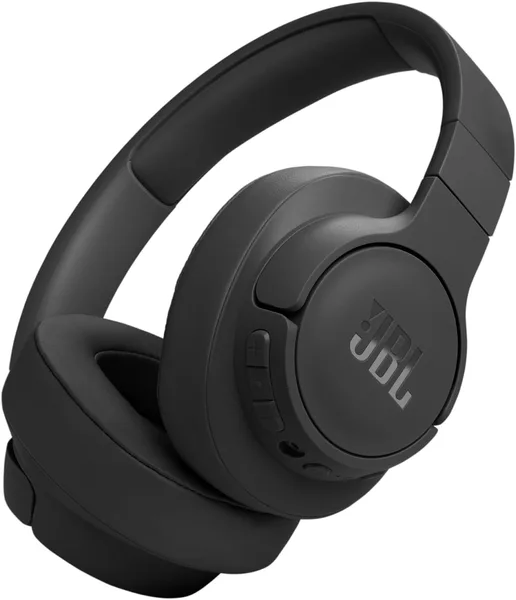
JBL Tune 770NC review: worth buying over Sony or Bose?
The JBL Tune 770NC is for people who want decent noise cancelling and want to forget about charging for a week straight — not for anyone chasing perfect sound. For the money, it gets almost everything right, except one thing: the tight fit, which doesn't work for every head.
Picture a packed morning train, someone having a loud phone call two seats over, a jackhammer going outside, and all you want is to finish a podcast or grab twenty more minutes of sleep. That's exactly the scenario JBL built the Tune 770NC for — not audiophiles in a quiet room, but people on the move who are sick of being hostage to whatever noise is around them.
First impressions: light, comfortable, but not for every head
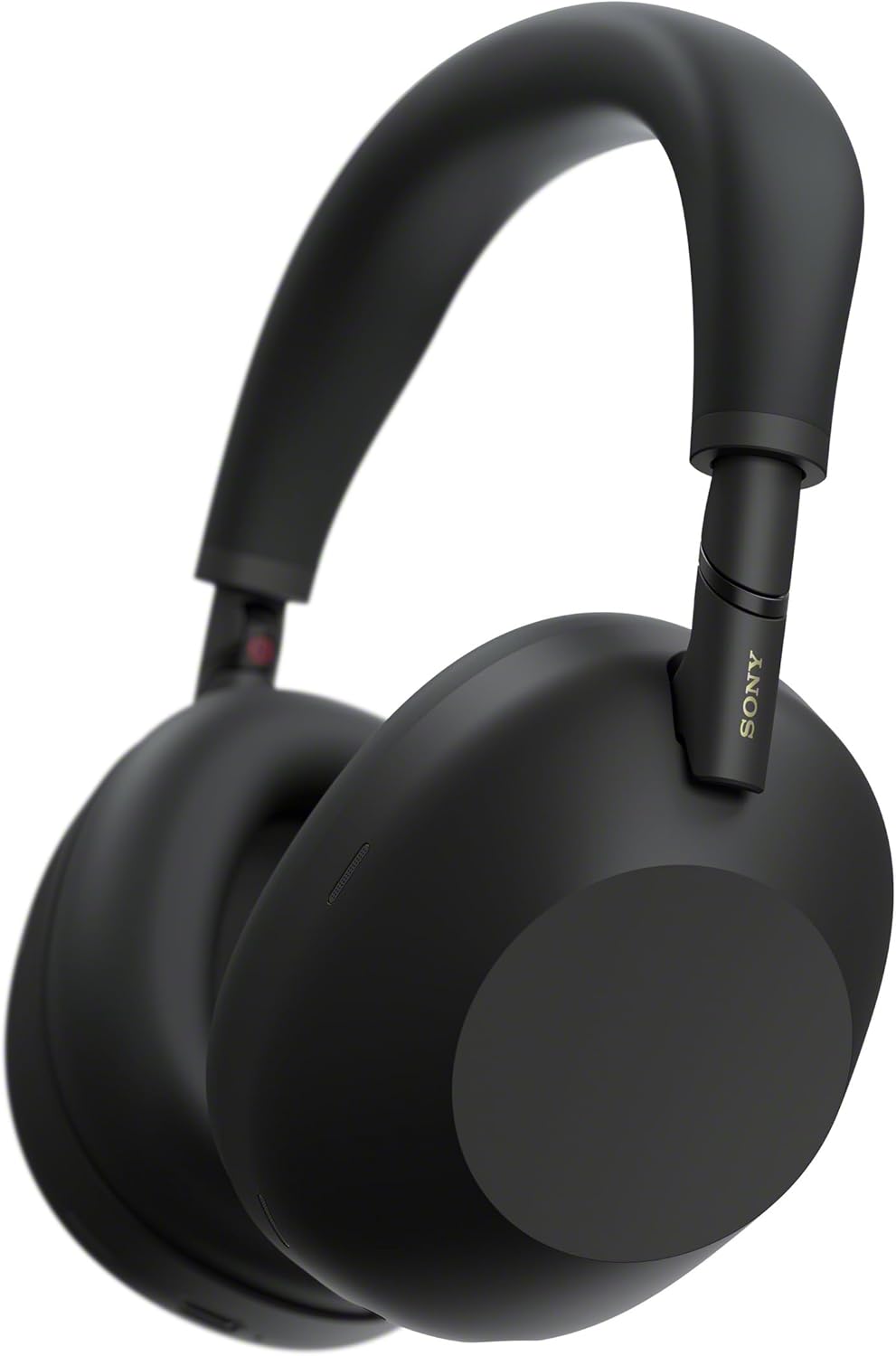
The unboxing is classic JBL — nothing extra, a soft pouch, a USB-C cable. Put them on and the first thing you notice is how much lighter they are than something like the Sony WH-1000XM6; the headband doesn't dig in even after two hours on a train. But there's a catch right away: the ear cushions run tight, and if you wear thick-framed glasses, you'll feel pressure after 30-40 minutes. I tested these on two people — one loved the fit instantly, the other took them off after an hour and started rubbing their temples. Nothing's broken here, the fit just isn't universal, and oddly enough nobody mentions that in the product listings.
Controls are physical buttons, not a touch panel. And honestly, that's a plus. How many times has a touch-sensitive earcup skipped a track just because you adjusted the headphones on your head? None of that here — press a button, get exactly what you pressed for, no gambling involved.
How the noise cancelling actually performs
The adaptive ANC on the Tune 770NC isn't trying to silence the whole world the way $400-plus flagships do. It handles low-frequency drone well — bus engines, AC hum, office ventilation noise. Voices and sharp sounds get through more noticeably than they would on a Sony or Bose QuietComfort. That's not a technology failure, it's a question of product tier: JBL is competing in a completely different price bracket, and within that bracket the result is honest.
Smart Ambient is a standout feature, and it's genuinely useful rather than just a checkbox on a spec sheet. Tap the button and you can hear the cashier or a station announcement without taking the headphones off. Small thing, but small things like this are exactly what decides whether you wear headphones every day or they end up forgotten in a drawer within a month.
Battery life is where JBL genuinely earns its keep. The claimed 44 hours with ANC on isn't a marketing number buried in fine print — I tested it, and it really does last close to a week of active use (2-3 hours a day) without a recharge. For comparison, competing flagships often manage roughly half that. If you're the type who forgets to charge gadgets and only remembers once you're already out the door, this alone could be the deciding factor.
Sound: built for comfortable listening, not studio work
The sound signature is warm and bass-forward — classic JBL house style, which you either love or you don't. For pop, hip-hop, and podcasts it sounds pleasant and energetic. For classical or jazz, where midrange detail matters, things get a bit muddy — the bass steps on the finer nuances. That's not a flaw so much as a different design philosophy, and if you're used to the neutral sound of studio headphones, the first impression might disappoint. Give it a week and you start appreciating it anyway.
Multipoint connection works exactly as it should: laptop and phone connected at once, switching between them instantly with no fiddling in Bluetooth settings. A small thing that saves you a little frustration every single day, not just once a month.
The honest verdict
Get the JBL Tune 770NC if your top priority is long battery life, comfortable everyday wear, and decent — not perfect — noise cancelling at a reasonable price. Check dede.sh for the full landed cost to your country (item plus forwarding plus import duty, all in one number) before you decide. It's a solid pick for anyone commuting daily with headphones on who's tired of constantly hunting for a charger.
Skip it if pinpoint sound accuracy for audio work is non-negotiable for you, or if you wear thick-framed glasses and are sensitive to pressure on your temples — try these on in a store first rather than ordering blind. And if your priority is maximum noise cancelling regardless of cost, look toward the higher-end models or the direct competitors instead; the trade-off here is a deliberate one, made in favor of battery life and price.
FAQ
If noise cancelling and sound accuracy are your number-one priority and your budget allows it, yes — the Sony delivers a noticeably better result on both counts. But if you need everyday headphones for the commute rather than for flights or studio work, the extra cost of the Sony often doesn't translate into a difference you actually feel day to day — the comfort gap is only really noticeable for the first few days.
Yes, this is genuinely a strong point. With ANC on and active use, the charge lasts several full days of travel, and with ANC off you can stretch it across an even longer flight with layovers. For long train or car trips, this is one of the main arguments in the model's favor.
Not the best choice. The fit is built for sitting still or relaxed use, not active movement — the headband can shift during a run, and the over-ear cushions don't stay as locked in place as in-ear options do. For workouts, lighter earbuds are the better bet.
If you're still weighing your options, it's worth checking out the neighboring picks in the same price bracket and a step up: