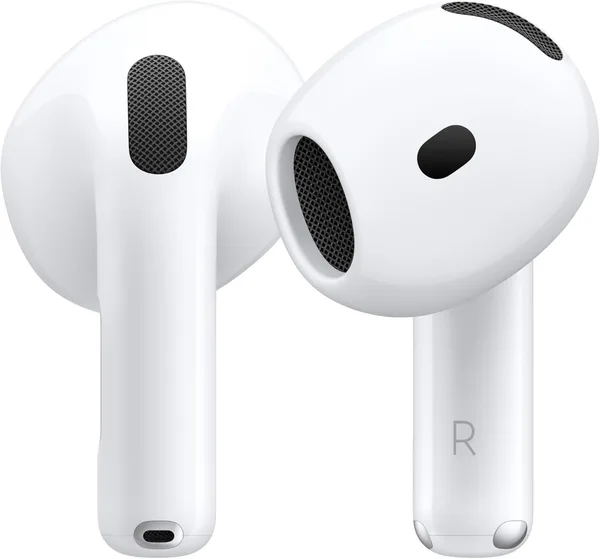
Kurdene Wireless Earbuds Review: Are They Worth It?
For the price of a couple of coffees, you get earbuds that genuinely last for days on a charge, stay put while you run, and pump out decent bass. This isn't an AirPods killer, though — the mic is mediocre, and the "isolation" is really just the absence of any active noise cancelling. Treat these as your backup, gym-and-errands pair, not the one set of earbuds you'll ever own.
Ever had a pricey flagship pair of earbuds die on you in the airport the second boarding gets called? Happened to me once, and I've never fully trusted the "one pair for everything" idea since. Now I keep something cheap and hard to kill as a backup — which is exactly the slot Kurdene Wireless Earbuds fill.
First impressions: the box looks modest, and that's honest — there's no premium plastic or magnetic snap-shut lid here like you'd get from Sony or Bose. The case itself is light, plastic, with a charge indicator that blinks until you train yourself to ignore it. But that case is the whole point of the purchase: it's not just a shell, it's a genuine power bank good for several extra full charges of the earbuds. The maker claims 60 hours of combined battery life — and, pleasantly, that's not a number pulled out of thin air. In practice I got about five days of active use (1.5–2 hours a day) without ever plugging in a cable, which is genuinely rare in the budget segment.
Let's be honest about the sound: don't compare this to what audiophiles are used to. The bass is prominent, sometimes too prominent — on some tracks with heavy low end you get a slight boom that eats into the mids. For the gym, a run, or background listening on the subway, that's actually a plus — it adds energy. But if you're into jazz or acoustic tracks where vocal detail matters, something like the Bose Sport Earbuds gives you a far more natural frequency balance, though you'll pay for it accordingly.
Fit is its own story, and this is where Kurdene really delivered. The over-ear hook design stays locked in even when you're shaking your head mid-workout or running on uneven pavement. Not once in a month of testing did a bud fall out, and my ears aren't exactly a standard shape — half of the "sport" earbuds I've tried just slide right out of them. The trade-off: not everyone will love wearing a hook for hours on end, especially if you wear glasses — the pressure behind your ear is noticeable by the end of the day.
The microphone is probably the weakest link. On calls, people hear me fine in a quiet room, but step outside into wind or into a noisy cafe and the voice starts cutting out, dropping words. For work Zoom calls from home, totally fine; for calls on the move, forget it — just hold the phone up instead. And yes, there's no active noise cancelling here at all, only passive isolation from the tight fit, which cuts ambient noise by maybe half. Compared to something like the Sony WH-1000XM6, where ANC all but erases jet engine noise, it's night and day. Then again, the price gap is about twenty-fold, so that's not really a fair fight.
Bluetooth connection is solid — I never had a dropout at home or on the street, though in a packed subway car the audio stuttered once or twice, which is typical for any TWS earbuds without a flagship chip inside. Touch controls on the housing behave predictably: play/pause, skip track, volume, all there, with no phantom taps triggered by rain or sweat — which matters a lot for a pair built for workouts.
This is exactly the price bracket where you understand what you're paying for. It's not flagship sound or premium materials — it's an honest workhorse for training sessions, commutes, and the moments when you don't want to risk your good pair in the rain or drop them on a gym floor. Add in shipping and import duty and the landed price obviously climbs above the sticker number — you can check the full landed cost to your country on dede.sh — but even then, it stays among the cheapest options in the category.
Who should buy these? Runners, gym-goers, or anyone who wants a second pair they won't be precious about — for the car, the cabin, or a trip where losing them wouldn't hurt. Anyone who values battery life over perfect sound will love that you can basically forget about charging for days at a time. Who shouldn't: audiophiles, people who spend a lot of time on the phone outdoors, and anyone who wants active noise cancelling on a flight or in a loud open-plan office. That's a different price bracket and a different pair of earbuds.
Frequently Asked Questions
FAQ
That's the combined total across several recharge cycles from the case, not one continuous playback session. The earbuds themselves run about 4-5 hours on a single charge, and the case tops them up a few more times — which is how you get to 60 hours of battery life spread across several days without ever touching an outlet.
Kurdene stays in your ear just as securely and costs a fraction of the price, but Bose delivers cleaner, better-balanced sound and noticeably better build quality. If your budget is tight and you just need something for workouts, Kurdene gets the job done. If sound quality matters more than price, go with Bose.
At home or in a quiet office, yes — your voice comes through clearly. Outside in the wind or somewhere noisy, the mic starts to waver and whoever you're talking to will have to ask you to repeat yourself. If you take a lot of calls outdoors, look for a model built specifically for that.
No, there's no active ANC here at all — just passive isolation from the tight fit. If you need real quiet on a plane or in an open space, this isn't the product for that; look at the Sony or other ANC-equipped models instead.
Similar products worth a look: