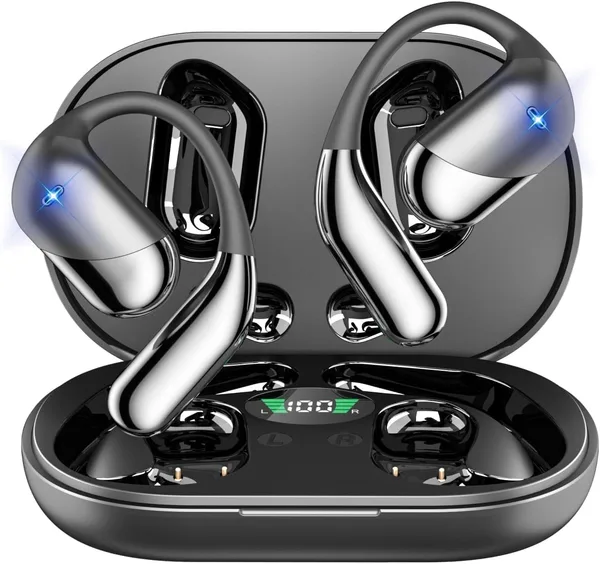
Aurotlu Q16-H3 open-ear bone conduction earbuds review: worth it?
The Aurotlu Q16-H3 isn't out to replace your everyday TWS earbuds — it's a different tool entirely, built for runners, cyclists, and anyone who wants to hear traffic and coworkers while still catching their music. The sound is flat and basically bass-free, but your ears won't get sore even after three hours of wear. Check the full landed price on dede.sh (item, forwarding, and duty all in one number) — it's an honest deal in the open-clip category, just not one for audiophiles or anyone craving silence on the subway.
Picture this: you're out running in the evening with in-ear buds jammed in, and every five minutes you have to yank yourself out of the music because you need to hear a cyclist coming up behind you, or dodge a curb you can't see in the dark. Sound familiar? That's exactly the problem open-ear bone conduction headphones were built to solve — and the Aurotlu Q16-H3 sits squarely in that category.
These aren't earbuds and they're not classic "droplet" TWS either. The clip hooks over the top of your ear, and sound gets delivered through a small vibrating pad pressed against the bone just in front of your ear canal. Your ear canal itself stays completely open. It sounds bizarre until you try it — and once you do, you understand why this isn't hype for hype's sake but a genuinely useful niche.
Living with them
I spent my first evening with the Q16-H3 on a run, and the first thing that struck me was how strange the quiet felt. The music's playing, sure, but the street sounds exactly like it would with no headphones on at all. For night runs or city cycling, that's a real edge over standard TWS — you're not deaf to car horns, and you won't miss someone yelling "watch out!" from the side.
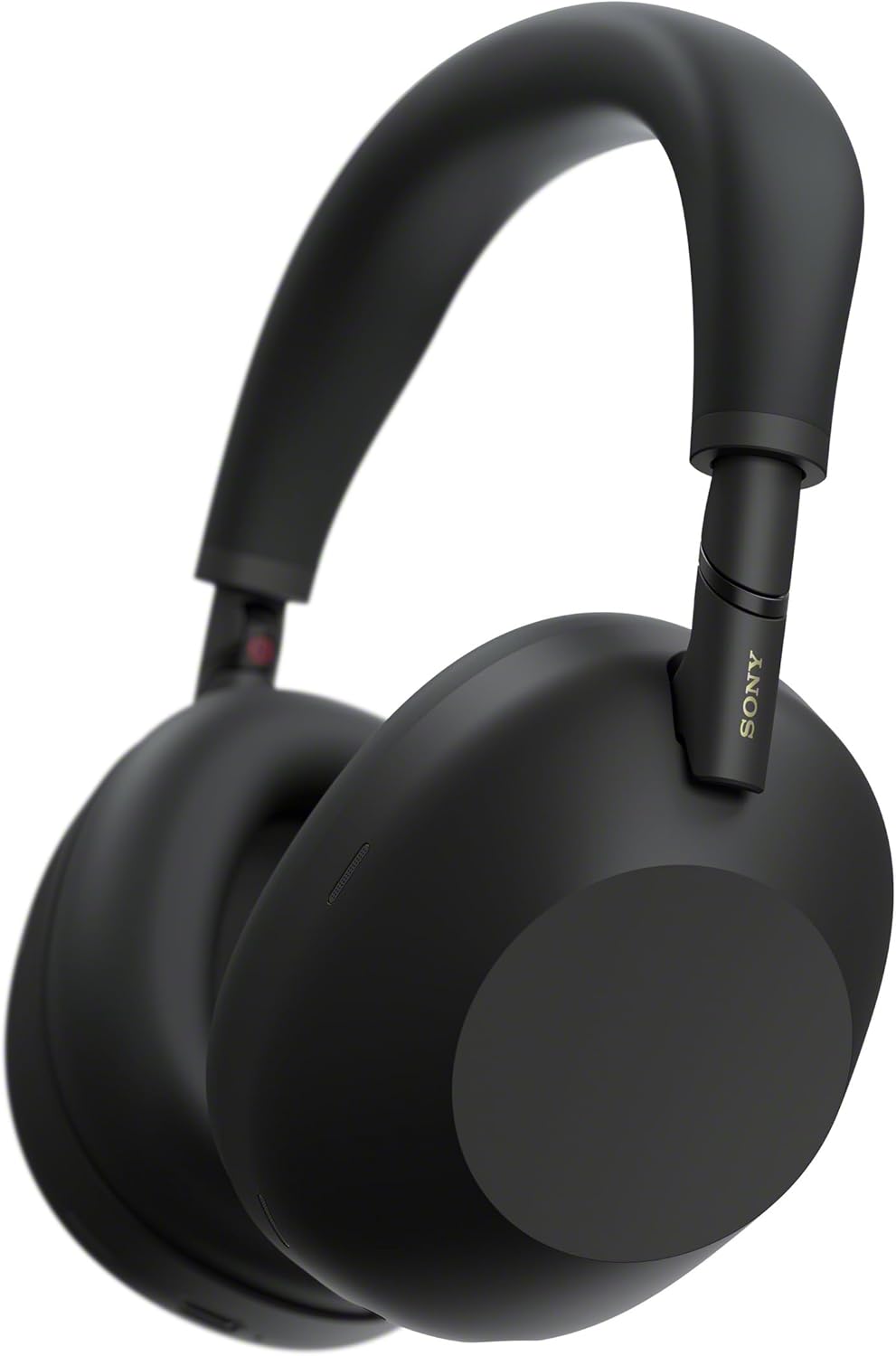
There's a flip side, though. Bone conduction physically can't deliver real bass — the sound is thin, mids dominate, and if you're used to the rich low end of something like the Sony WH-1000XM6, your first day with the Q16-H3 will feel like a letdown. This isn't about audiophile pleasure, it's about safety and background listening. Podcasts, audiobooks, calls — the Q16-H3 nails all of that. But anything with a heavy hip-hop beat comes out flat, like it's playing through a cheap old smartphone speaker.
Battery life lives up to the claimed 12 hours, and honestly that's closer to the truth than half the budget TWS out there, which always print rosy marketing numbers. Over a week of heavy use — running plus wearing them at the office all day, since I could still hear coworkers while streaming a playlist — I only had to recharge every two or three days. The LED display on the case shows battery level without needing to open an app, which is a small thing but a nice one.
Fit is its own story. The clip holds on surprisingly well even during a jog, though sharp head turns or something like burpees can knock it loose. This isn't the pick for boxing or intense HIIT — for that, stick with classic in-ear buds with real fixation. But for walks, cycling, puttering around the kitchen, or long phone calls, it's exactly right.
The mic handles outdoor calls decently, though strong wind eats into it a bit — par for the course with any open design, nothing surprising there. Indoors, on video calls, it comes through clean.
Compared with something like the Bose Sport Earbuds, this is a completely different philosophy: Bose seals you off from the world in service of sound quality, while the Q16-H3 keeps you plugged into your surroundings in service of safety. The question isn't which is "better" — it's which one you actually need right now.
Who should buy it, and who shouldn't
If you run city streets, ride a bike or scooter around town, or just like background listening without losing touch with what's happening around you, this is an honest, affordable way into the bone conduction category without paying premium-brand money for something like Shokz. See the full landed price for the Aurotlu Q16-H3 on dede.sh — item, shipping, and import duty rolled into one figure — and at that price, the missing bass is an easy trade for the functionality you get.
But if you want sound for sound's sake — to disappear into music on a flight, on the subway, or under the covers at night — this isn't your pick. There's no noise cancellation here, by design, and if you don't accept that going in, you'll end up disappointed. One more thing: if you wear glasses or swim goggles, the clip's arm can clash with your frames — check for that before you buy, since returning headphones from overseas is its own headache.
The core trade-off here is an honest one: you're swapping sound quality for safety and open-ear comfort. For some people that's an obvious win. For others, it's a dealbreaker.
FAQ
If sound quality matters to you and you're willing to pay for the finer details, yes — top-tier models have a cleaner midrange and a better fit. But for street running or background listening, the difference isn't big enough to justify paying two or three times as much.
For strength training at the gym, where isolation and bass matter more than situational awareness, classic TWS like the Skullcandy win out. The Q16-H3 shines where safety is the priority — the street, cycling, or the kitchen with kids underfoot.
In practice, yes, as long as you're not blasting music at max volume nonstop. If you wear them through the workday and then go for an evening run, the charge comfortably covers a day or two.
The rated moisture resistance handles sweat and light rain fine, but these aren't pool or submersion headphones — the open design means swimming in them is a bad idea.