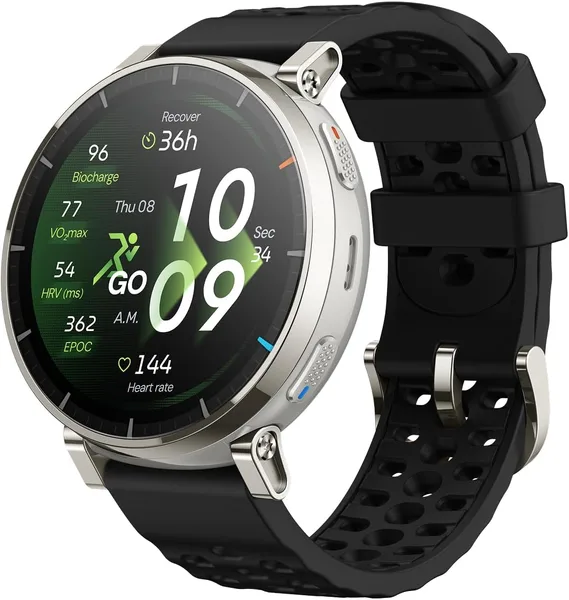
Amazfit Active 3 Premium review: a real alternative to Apple Watch?
The Amazfit Active 3 Premium is for anyone sick of babysitting a smartwatch charger every single night. Sapphire glass, accurate GPS, and battery life that lasts nearly two weeks — it checks every box. There's one catch, and it matters: this isn't an Apple Watch, so if your life runs on iPhone, some of that convenience gets left on the table.
Screen and build: nothing to apologize for
GPS and sports: the main reason to buy this one
What about the "smart" part
This is where the trade-off starts. Zepp OS, which runs the watch, is snappy and comes with a decent app selection — but it's not watchOS, and it's not Wear OS either. If your phone is an iPhone, notifications arrive with a few seconds of lag, replying to messages from your wrist doesn't always work, and the voice assistant is a distant cousin of Siri at best. Pairing with Android is friendlier, but even there it doesn't match the depth of integration a Galaxy Watch gets with a Samsung phone.
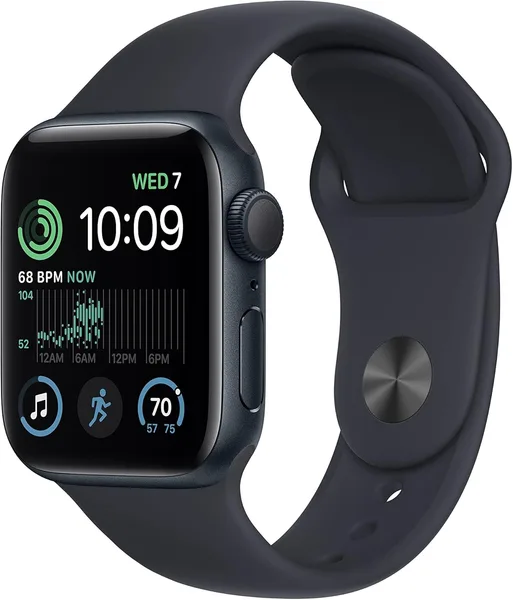
Honestly, if what you want is a watch that acts as a genuine extension of your phone — full message replies, one-tap music control, a real app ecosystem — you're better off looking at the Apple Watch SE. But if the priority is workout tracking, heart rate, sleep, and long battery life without compromise, the Active 3 Premium does that job better, and cheaper.
What it costs, and whether the premium is worth it
Check the full landed price to your country — item, forwarding, and import duty combined — on the product page at dede.sh. It's not the cheapest smartwatch out there, but it's nowhere near premium pricing either — it sits somewhere between mass-market fitness bands and flagships like the Apple Watch or Galaxy Watch. For that money, sapphire glass and dual-frequency GPS are unusual extras; normally those features only show up in watches costing a lot more.
Who should buy it, and who shouldn't
Buy it if you run regularly, hate daily charging, and are fine with the fact that this isn't a full smartphone replacement on your wrist. It's an honest sports tool with a genuinely nice screen for reasonable money.
Skip it if deep iPhone integration, a full App Store's worth of apps on your wrist, or brand prestige are what matter most to you. Amazfit loses that fight outright, and no amount of battery life makes up for it.
FAQ
Yes, comfortably. The dual-frequency receiver here is more accurate than most watches in this price range, and it's more than enough for training runs, tempo work, and even distance tracking during a marathon. Elite-level pros still gravitate toward Garmin or Coros, but for 95% of amateur runners, the difference is unnoticeable.
If sapphire glass and a bit more battery life matter to you, yes — the price bump is justified and not steep. If the watch mostly sits in a drawer and comes out once a week for a run, the base version will do fine, and you won't miss the sapphire much.
Depends on your priority. For sports and battery life without compromise, go Amazfit. For full iPhone integration, apps, and a watch that reads as a status piece, go Apple Watch SE. They're built for different jobs, so a direct comparison is a bit unfair to both.
Yes, the water resistance covers pool and open-water swimming, and the watch tracks strokes and distance. Serious swimmers with competitive ambitions should still look at dedicated sports models, but for recreational training the feature set is more than enough.
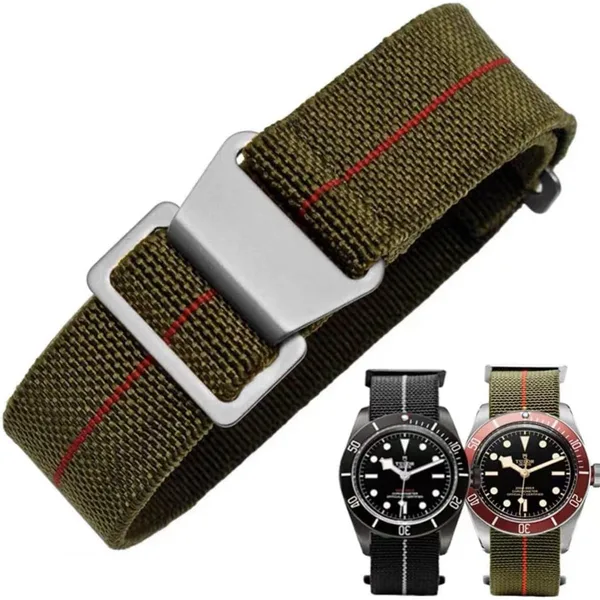
If this one doesn't feel like quite the right fit, it's worth checking the alternatives in the same category — from mechanical classics to a competitor with a different take on "smart":