Amazon Basics microfiber cloths for cars: are they worth buying instead of cheap rags?
Plain-looking microfiber that genuinely leaves no streaks or lint—rare at this price. If you care even a little about keeping your car’s paint clean, these cloths will answer the question for two or three years. But ordering them separately from overseas? Money down the drain—only add them to a bigger cart.
What this is and why it actually differs
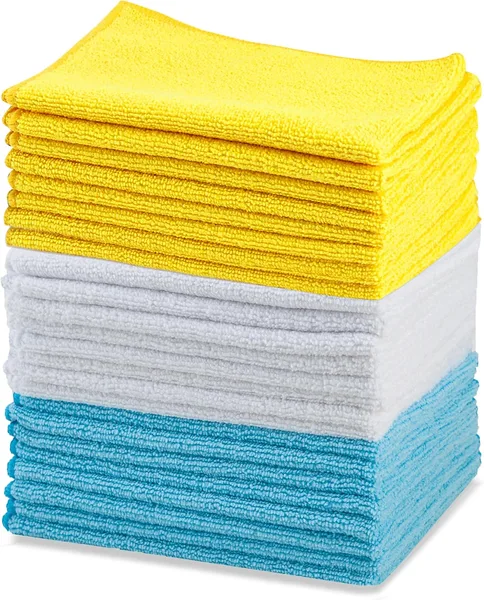
Amazon Basics Microfiber Cleaning Cloths is a set of lint-free towels marketed for cars, kitchens, and screens. The real advantage isn’t the brand—it’s the weave density: the fibers are finer and more uniformly twisted, so the fabric doesn’t shed lint even on black plastic, where every strand is visible to the naked eye. Non-abrasive—meaning it doesn’t scratch—and this isn’t just a marketing checkbox; you actually feel it when wiping glass or glossy panels without fear of snagging something abrasive.
My standard microfiber test is simple: wipe a black matte dashboard after dust, then check it in angled sunlight—any fibers left? These passed. Not on the first try, honestly—new microfiber always sheds a little on the first wash—but by the second use, they behaved properly.
How it actually works, not in ads
Here’s the nuance the manufacturer doesn’t shout in big letters: streak-free microfiber isn’t magic fabric—it’s a combination of the cloth and proper technique. If you scrub glass in circles with pressure, streaks will appear on any microfiber, whether it costs a dollar or twenty. But if you wipe with light, straight motions and immediately flip to the dry side, the difference between these cloths and market rags becomes obvious. Cheap ones just can’t absorb moisture fast enough, so water smears instead of being drawn into the fabric.
For car interiors, this is especially nice: dust on the dashboard and door panels gets picked up, not pushed around like cotton rags or cheap synthetics do. Compared to Chemical Guys or SM Arnold—sold specifically for detailing and costing far more per piece—Amazon Basics loses in thickness and “plushness,” but you don’t need that for daily wiping. This isn’t premium microfiber for polishing paint after nano-coating; it’s a workhorse for everyday use—and that’s exactly why it appeals to the mass buyer.
One downside, and it’s real: the set includes several cloths of the same color, so it’s easy to mix up the one you used on tires or the engine with the one meant for glass. Experienced detailers color-code their microfiber for exactly this reason, and it’s not included out of the box—you’ll need to label or mark the corners yourself.
Price and whether it makes sense to pull this from America
On Amazon, a pack costs about $8.64—an amount that alone won’t impress anyone. But once you add shipping and customs, the full landed price on dede.sh comes out noticeably higher than that sticker price, and for that kind of money you could just as easily pick up a decent microfiber locally and still have change left for a wheel brush. In other words, ordering this item alone as a standalone shipment isn’t economical—the logistics eat up any advantage.
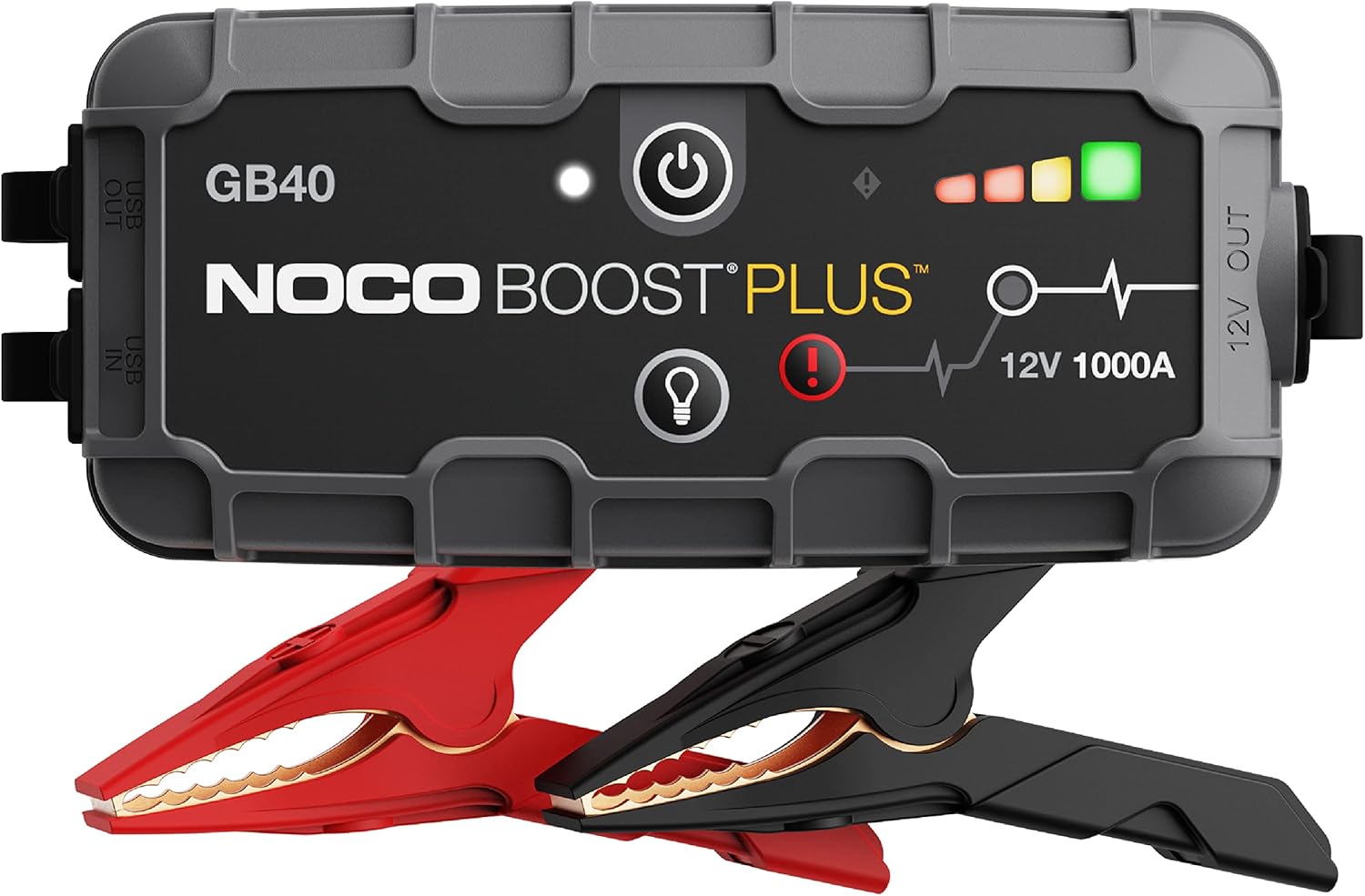
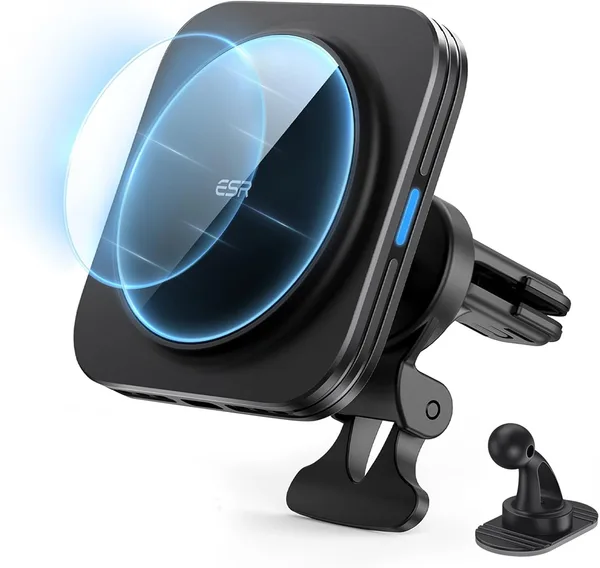
It’s a different story if you’re already building a shipment with auto gear—a compressor, phone mount, trunk organizer. Then tossing the microfiber in the cart makes sense: it’s light, takes up no space, and will definitely outlast the rag currently rattling around in your glove compartment. It’s a add-on product, not a reason to open a separate order.
Honest verdict
Who should buy it: anyone already ordering from Amazon who wants to once and for all solve the question of “what to wipe the car with without streaks.” People who’ve used cheap car microfiber and are tired of picking lint off the dashboard. It also works fine around the house—for glass, electronics, mirrors.
Who shouldn’t: if your goal is just to have a couple of rags at home and you have no other order to tack this onto. Paying shipping for a scrap of fabric—even a good one—is a mediocre idea. And if you need premium detailing microfiber for paint polishing—this isn’t the level; grab specialized brands.
There’s one compromise, but it’s clear: the product itself is nearly flawless, aside from the lack of color coding. But it’s only economically justified as an add-on to a larger order—buying it alone overpays for logistics, not fabric quality.
FAQ
With careful technique—yes, and it’s noticeably better than cheap market microfiber. But any microfiber will streak if you scrub it with pressure in circles instead of using light, straight motions.
For daily dust and glass wiping, this is more than enough and cheaper. For polishing paint or working with nano-coatings, go for thicker specialized towels—these aren’t meant for that.
No. The item is light and inexpensive on its own, so shipping and import fees make up the bulk of the final price. It only makes sense as an add-on to an existing auto-related order.
Fabric softener clogs the fibers and kills absorbency—that’s the main thing to avoid.
Similar auto products—see what else people buy together: