Beats Flex review: are these budget Apple W1 earbuds worth it in 2026
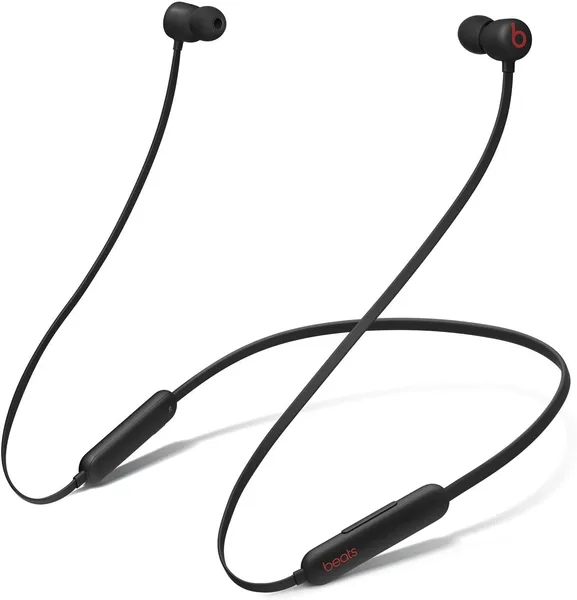
Beats Flex are neckband earbuds held together by magnets, and that alone solves the eternal "where did I put my earbuds" problem. Sound is decent and bass-forward, the battery easily covers a full workday, and there's no active noise cancellation whatsoever. Buy them if you're in the Apple ecosystem and want something cheap and reliable that won't vanish into a subway seat crack — skip them if you're dreaming of silence on a long-haul flight.
You know that feeling when it's the fifth time this week you're on your knees fishing under the couch for the right earbud? That's exactly the problem Beats Flex was built to solve. The idea itself isn't new — it's basically the old wired-headset trick: connect two earpieces with a flexible cable, drape it around your neck, and never lose either half again. Except instead of a wire running to your phone, you get Bluetooth and the W1 chip — the same one that powers the higher-end AirPods.
I ran these earbuds as my daily driver for two weeks — on walks, at the office, on public transit where half the seats still smell like 2011. First impression: they're not trying to be AirPods Pro. They just do their job honestly and don't pretend to be anything more.
What's actually interesting here
The headline feature is the magnetic tips. Pull the buds out of your ears, snap them together, and they clip onto your neck — music pauses automatically, and your phone only announces "connection lost" when you've genuinely taken them off, not when you've absentmindedly shoved them in a pocket. Small detail, instant habit. It matters even more next to AirPods, where losing one earbud means paying nearly half the price of a new pair just to replace it.
The W1 chip is where the real magic happens if you own an iPhone: pairing takes about a second, a pop-up appears, you tap once, and the earbuds are locked to your iCloud account and pick up automatically across your other Apple devices. If you're on Android, though, this is just a regular Bluetooth headset — W1 is close to a wasted feature, and that's worth saying upfront rather than burying it.
Sound is not an audiophile story — it's the classic Beats signature: punchy, easily recognizable bass, with mids that sit a bit recessed. For hip-hop, pop, podcasts on the commute, it works great. For classical or jazz, where detail matters, look elsewhere — there are better options, often for less money.
The battery is a big reason this model is still selling in 2026 despite not being new. A single charge comfortably covers a full workday, and ten minutes on the cable buys you a few more hours when you forgot to charge overnight and you're sprinting for the train. The magnetic tips themselves shave a bit of power too — once clipped together, they're not sitting in an active streaming pair.
Where the "buts" pile up
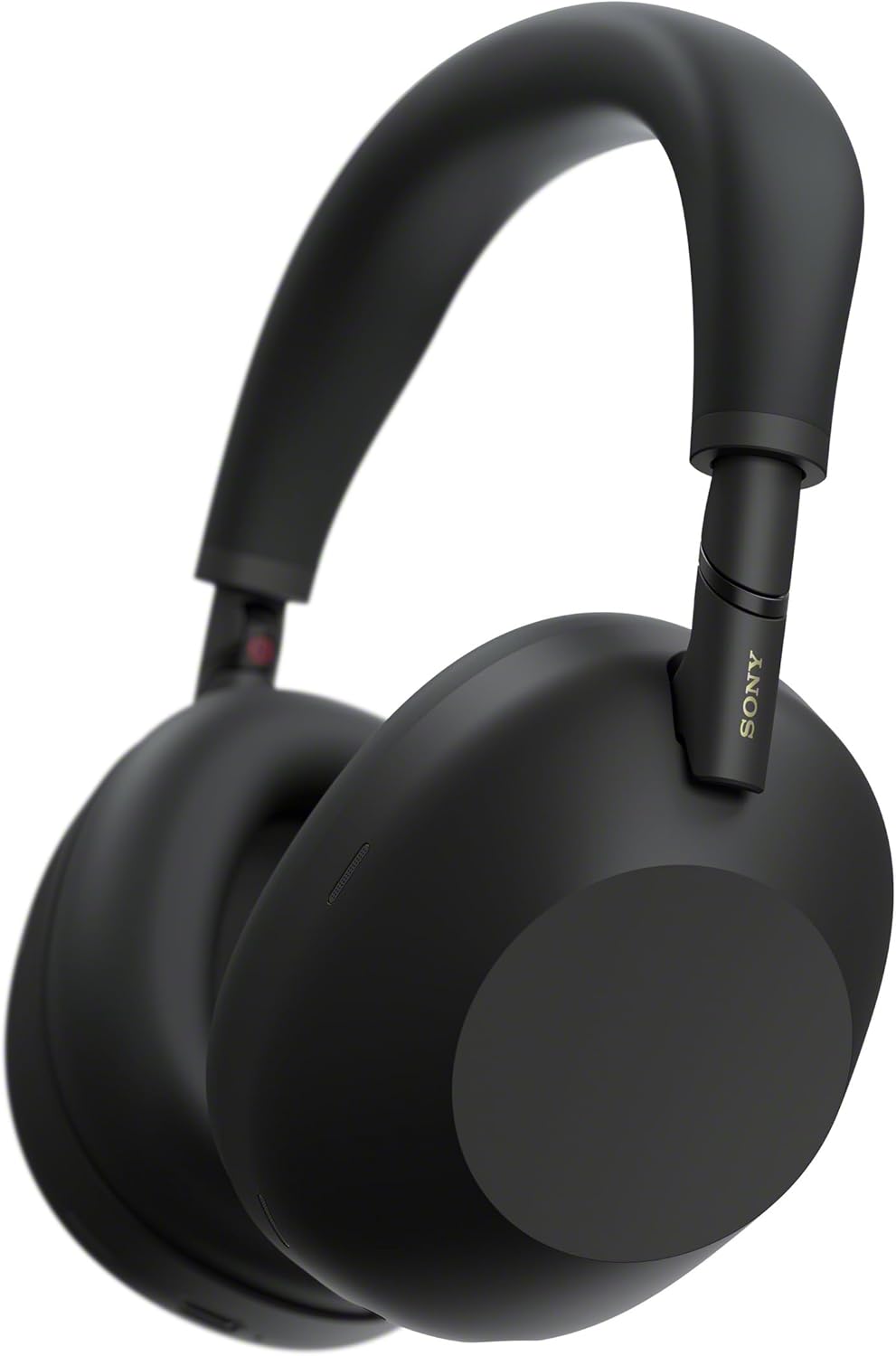
There's no active noise cancellation. None. If you're flying regularly or working in a loud open-plan office and craving silence, this isn't your pick — look at something like the Sony WH-1000XM6 instead, though that's a completely different category, both in price and form factor (over-ear versus in-ear). Isolation on the Flex is purely passive, courtesy of the silicone tips — decent, but not the same thing.
Second: these are still wired earbuds, in the sense that a cord connects the two sides, and while the magnets turn that into a feature for some people, others will just say "who wears a cord in 2026." Honestly, I got used to it within two weeks and even started appreciating that the buds just hang around my neck while I'm talking to someone in person, instead of rattling around loose in my pockets.
And the inline remote uses physical buttons, not touch controls. That's genuinely a plus if you hate accidentally pausing a song with a stray tap on your ear. But the buttons are a touch stiff — my first week, I kept double-pressing when I only meant to press once.
Who should buy, and who shouldn't
If you're an iPhone owner who wants a cheap, dependable pair of earbuds for the gym, walks, and daily calls, buy these without overthinking it. They list on Amazon for around $49 — and once you add shipping and duty to your own country, dede.sh's landed-price calculator will show you the real total in one number, item plus forwarding plus import duty. That's a solid deal for a recognizable brand with the W1 chip inside.
If you're on Android, the case for this specific model weakens fast — put the same money toward something without the Apple lock-in; there's no shortage of options. And if noise cancellation on your commute or in the office is a dealbreaker for you, Flex is definitely not the answer — look at over-ear models with ANC instead.
The trade-off is simple: you give up active noise cancellation and "true" wireless freedom in exchange for magnetic convenience, a low price, and the W1 chip. For some people that's a great deal. For others, it isn't.
FAQ
If you're not on the very latest iPhone and don't need automatic adaptive EQ, the real-world difference is barely noticeable. W1 gives you fast pairing and handoff between devices, and that's all the Flex really needs.
They're not even the same category. Sony makes over-ear headphones with top-tier ANC for silence on a flight or in an office, and they cost significantly more. Flex is a budget everyday pick with no noise cancellation, but compact and magnetic. Comparing them head-to-head isn't really fair to either.
Yes, easily, at moderate volume. The ten-minute fast charge is a lifesaver if you forgot to plug them in overnight.
Passive isolation and the magnetic neck fit make them practical for running or the gym — they won't fall out or get lost. There's no officially rated sweat resistance, so for heavy-sweat sessions, wipe them down after each use.