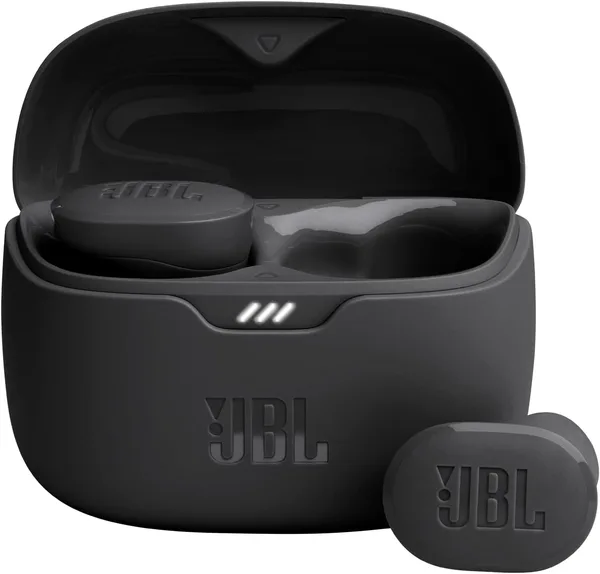
JBL Tune Buds Review: Are the ANC Earbuds Worth Buying
JBL Tune Buds don't pretend to be a flagship, and they're not trying to. On a budget, you get punchy bass, decent active noise cancelling, and a battery that actually gets you through a workday. If you want earbuds that "just work" and aren't ready to pay Sony or Bose money, this is one of the rare cases where the compromise actually pays off — check the full landed price to your country on dede.sh (earbuds plus shipping and any import duty, all in one number) before you decide.
There was a stretch when I went through earbuds faster than socks. Not because I'm picky — it's that every budget-tier pair let me down somehow: a mic that crackled, ANC that only existed on the box, or one earbud that quietly stopped showing up in the Bluetooth list after a week. So when the JBL Tune Buds landed on my desk, I was braced for another round of sarcasm. It never came. Not because these are some revelation — they're not — but because they simply do what they say on the tin, no drama attached.
What these actually are
This is JBL's budget line, and it's never won on innovation — it wins on that same "fat" Pure Bass house sound the company has been carrying across its lineup for a decade. The Tune Buds add active noise cancelling, and that's the interesting part of the story, because ANC at this price point was a rarity until recently. Now it's on nearly everything; the real question is how well it works, not whether the spec sheet mentions it.
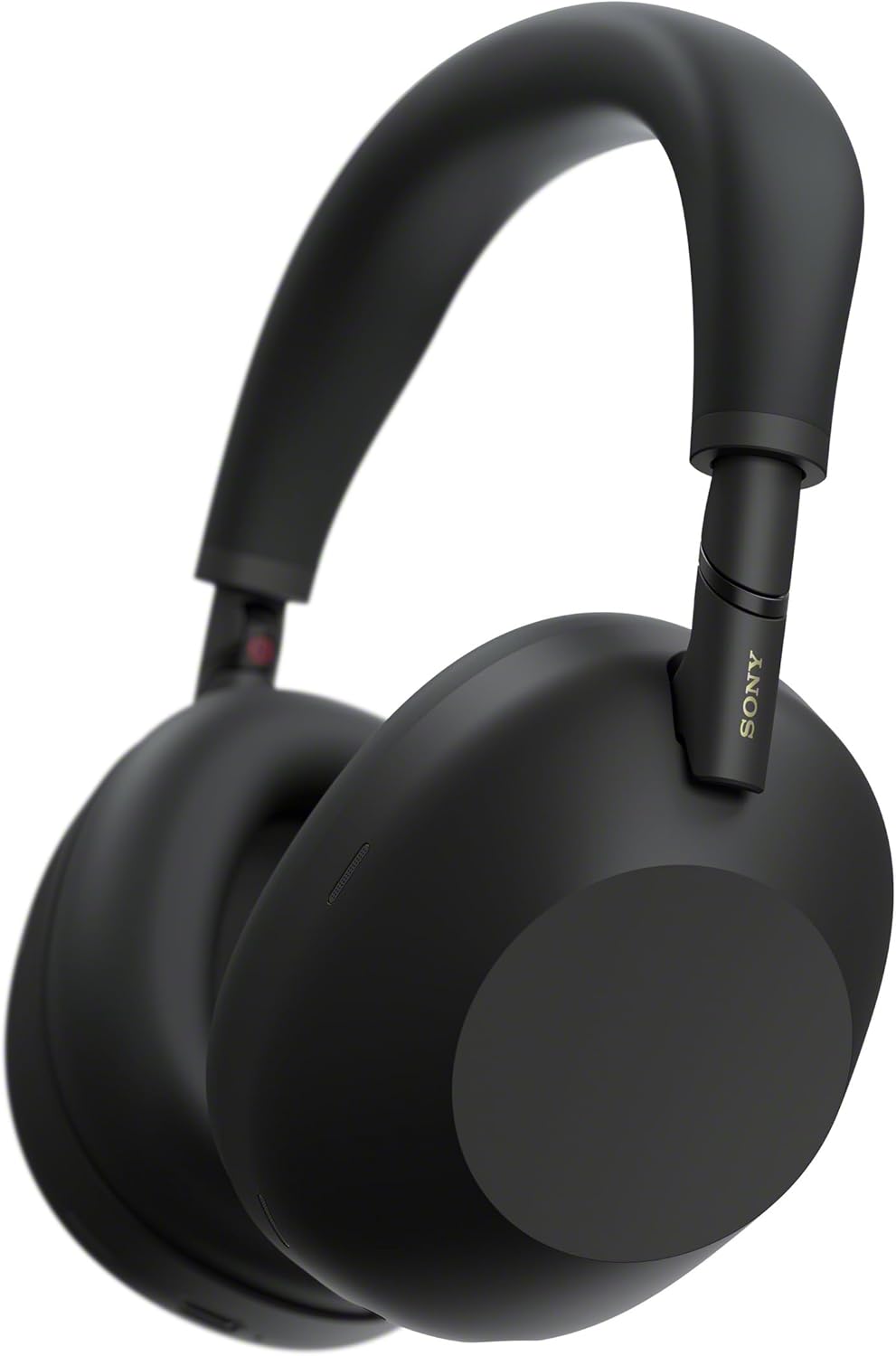
Honest answer: it works, but don't expect the "world just went silent" effect. Airplane or subway rumble gets noticeably dulled — I'd put it at 60-70% subjectively — and steady background noise like office AC or street hum disappears almost entirely. Nearby voices, a kid shrieking on the train, or a car horn will still cut through. This isn't Sony's WH-1000XM6, where the noise cancelling occasionally feels like magic — and comparing them directly isn't really fair, that's a different league at a different price. But measured against its own segment, the JBL is noticeably better than the faceless no-name TWS earbuds that come bundled with a power-bank case — on those, ANC is usually more of a suggestion than a function.
A day of actually wearing them
Morning, earbuds in before the coffee's even ready — and the first thing you notice is the low end. JBL doesn't hold back on bass; it's physically felt, especially on tracks with a tight kick drum or synth bass. Some people love that instantly, others get tired of it after a week — I'm firmly in the "let the bass push you around" camp, so it worked for me. But if you mostly listen to acoustic music or podcasts where vocal clarity matters more than low-end punch, the tuning leans slightly against you — though the JBL Headphones app does let you reshape the EQ to taste.
For running or the gym, the fit held up fine — no issues over several weeks of regular use, and they didn't budge even during interval training. That matters, because fit is a coin flip at this price: Skullcandy, for instance, can be finicky about ear shape, and you end up swapping ear tips to find one that stays put.
Calls are their own story. Outdoors without much wind, the mic does its job — the person on the other end hears me clearly. But step into a draft or somewhere loud, and the mic's noise suppression gets aggressive fast, turning your voice robotic. For calls at home or in the office, no complaints. For calls on a windy street, not great.
Battery life matches the claim of a full workday without touching the case charger, and that's not one of those "under ideal lab conditions" numbers — in practice, with ANC on and volume above the halfway mark, I was getting six to seven hours on the buds alone, plus several full case cycles on top. So if you're heading out for a weekend without a charger, the Tune Buds will comfortably carry you to Sunday night.
Who should buy these, and who shouldn't
If your baseline experience is a pair of fifteen-dollar earbuds that died after two months, upgrading to the JBL Tune Buds is a real step up in both sound and brand reliability — JBL isn't some no-name factory, there's an actual warranty and support behind it. They're a solid daily driver: commute, gym, cleaning the house with music on, evenings in front of a show.
If noise cancelling is the actual reason you're buying — frequent flights, a loud open-plan office — either pay up for the next tier (Sony, or Bose Sport Earbuds if you specifically want a sport fit), or go in with realistic expectations: this is "muffling," not "silence." One more thing — if a flat, neutral sound signature without a bass bump is your priority, look at something more neutral; JBL stays true to its house sound here.
The trade-off is simple: you get roughly 80% of the experience of earbuds three times the price, not 100%. For most people, that's more than enough. For audiophiles and silence purists who'll pay anything for it — not quite. See the full landed price for your country on dede.sh before you buy, since shipping and duty can shift the real cost more than the sticker price suggests.
FAQ
If noise cancelling is the main reason you're buying, not a nice-to-have, then yes — the difference is real and worth the extra money. If you just want ANC "to have it" for dulling everyday noise, paying flagship prices won't pay for itself.
Both stay put well during a run, but Bose has traditionally made the fitness fit its number-one priority, while JBL is more of an all-rounder for everyday use. If sport is your main use case rather than one of several, look at Bose.
Yes — with ANC on and volume at a moderate level, they get through a full workday without needing the case, confirmed through actual use rather than the numbers on the box.
In wind or noisy places, quality drops noticeably — the voice gets sharper-edged and picks up artifacts from the mic's noise suppression. For calls at home or in the office, it's a non-issue.