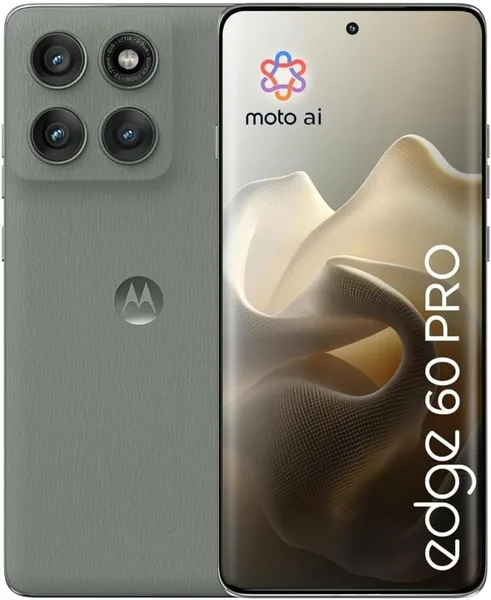
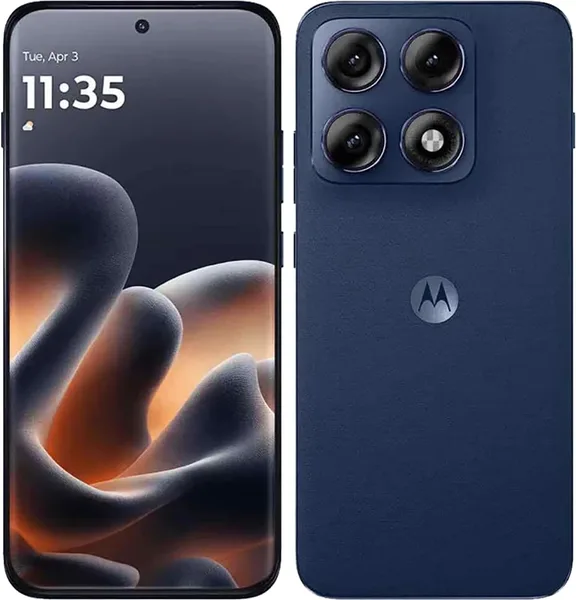
Motorola Edge 60 Pro Review: Should You Buy It Over Samsung or Pixel?
The Motorola Edge 60 Pro is for people tired of the "flagship tax" from Samsung and Apple but unwilling to settle for budget-phone software. 512GB and 12GB isn't a bare minimum — it's headroom for years. The main compromise? A camera that's solid in daylight and falls apart in the dark, plus a brand that still makes people ask, "Wait, is this actually a decent phone?"
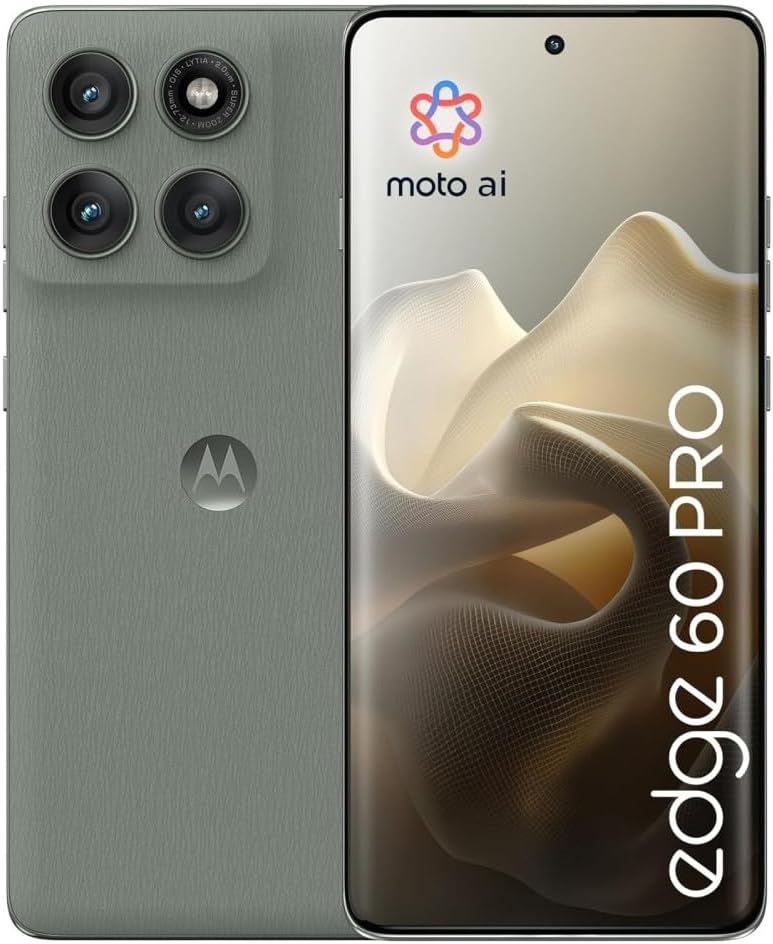
There's a category of people who buy a phone once every four or five years and then suffer because they got what "everyone else has" — only to find it chugging on a banking app two years later. If that's you, keep reading, because the Edge 60 Pro is built for longevity, not status.
Motorola is a brand that, in many markets, still gets met with a smirk. "Oh, the company that made flip phones in the 2000s?" Yep, that one — only now, under Lenovo's wing, they've quietly assembled a genuinely respectable mid-to-upper-mid-range lineup. The Edge 60 Pro is exactly that: modest on paper, a different story in hand.
What This Phone Actually Is
First impression: the screen. pOLED, curved edges, a refresh rate that makes scrolling feel so smooth that going back to an older phone leaves your hand hunting for that same fluidity and coming up empty. Peak brightness outdoors is perfectly usable — no squinting, no cupping your hand over the display like you do with cheaper panels.
Battery life — this is where Motorola genuinely surprised me. A charge lasts longer than you'd expect from a phone in this class, and fast charging means fifteen minutes at the outlet in the morning can save your day. It's that rare case where the manufacturer didn't sacrifice battery for a razor-thin chassis, and they deserve credit for it.
512 gigabytes sounds like overkill until you start shooting 4K video or hauling an offline music and movie library for a trip. 12GB of RAM is the threshold where apps stop getting kicked out of memory every time you switch between messaging, maps, and banking. Compared to competitors' base 128GB models, this is a tangible advantage for anyone planning to keep their device long-term and not wanting to wrestle with cloud storage or a USB-C dongle two years down the line.
Camera: Here's Where the Compromises Start
In daylight, the camera delivers — natural colors, without that oversaturated "Instagram" look some Korean flagships lean on. But in dim interiors or at dusk, the image starts crumbling into noise, and the processing algorithm doesn't always save the shot. If your main criterion is night photography in bars or at concerts, honestly, the Samsung Galaxy S25 Ultra pulls away by a wide margin. It also costs an entirely different tier of money.
The selfie camera is perfectly serviceable — no complaints, plenty good enough for video calls and Stories.
Software and Daily Experience
Motorola traditionally sticks close to "clean" Android, without the heavy proprietary skins that clutter settings menus. That's a plus for anyone who values speed and predictability. The downside: fewer proprietary tricks like Samsung's DeX, which some users genuinely rely on to turn their phone into a mini workstation.
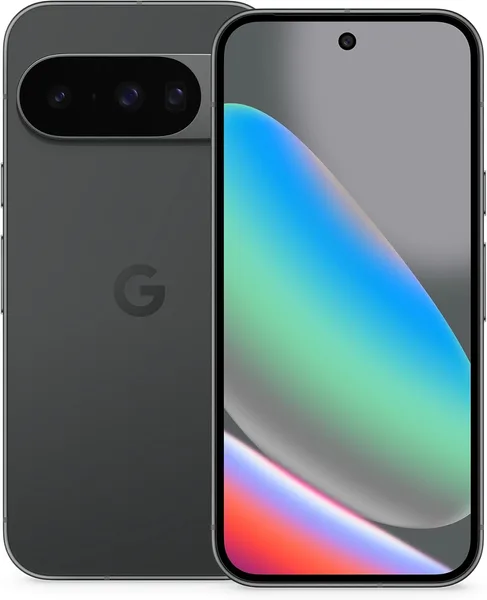
Compared to the Google Pixel — probably the fairest comparison — the Edge 60 Pro loses on camera algorithm purity and update speed, but wins on battery life and on not making you pay a premium for a brand that, in many regions, has limited official availability.
Who Should Buy (And Who Shouldn't)
Buy if: you want a big screen and serious battery for reasonable money, you plan to keep the phone for years, and you're not willing to pay extra for the logo on the back. Especially if 512GB of storage isn't a nice-to-have but a real need — amateur photographers, people who carry offline content, parents with a phone full of kid videos.
Don't buy if: night photography is mission-critical, or if you're psychologically uncomfortable with a less "status" brand and want a Samsung or iPhone purely for recognition. Also, if you're locked into the Samsung ecosystem (Buds, Watch, DeX) — switching makes little sense, the integration will be worse.
The U.S. street price for this configuration is around $285, and even factoring in shipping and import fees to your country, it comes in noticeably cheaper than direct flagship rivals with the same memory. Check the full landed price to your country on dede.sh.
All told — this isn't a dream phone for a photography enthusiast, but a very honest workhorse for someone who needs a large, fast, long-lasting device without overpaying for a logo.
FAQ
Yes, with room to spare. Unless you're shooting professional 8K video all day, 512 gigabytes will last several years even with active camera, music, and app usage.
If camera and status are the priority, get the Samsung — it's objectively stronger in photos and has a broader ecosystem. If battery, screen, and a sensible price for large storage matter more, the Edge 60 Pro wins on value.
If you plan to keep the phone 3–4 years, yes — apps get heavier over time, and that RAM headroom extends the device's usable life without slowdowns.
The brand belongs to Lenovo, and update support is stable, though not as long as Google or Samsung. For a typical 2–3 year ownership cycle, it's plenty.
Still on the fence and want to compare side by side — check out the options nearby: