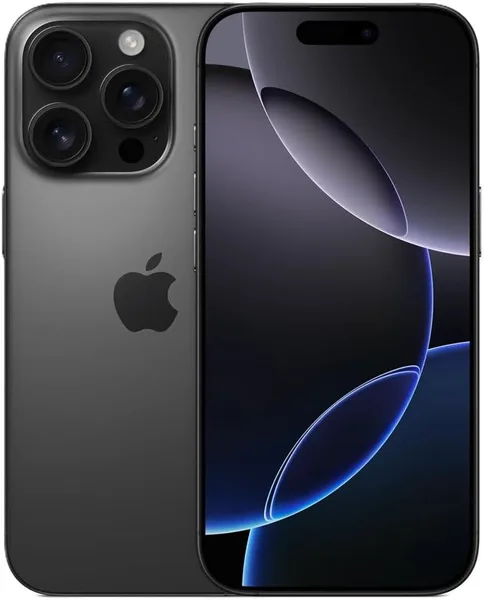
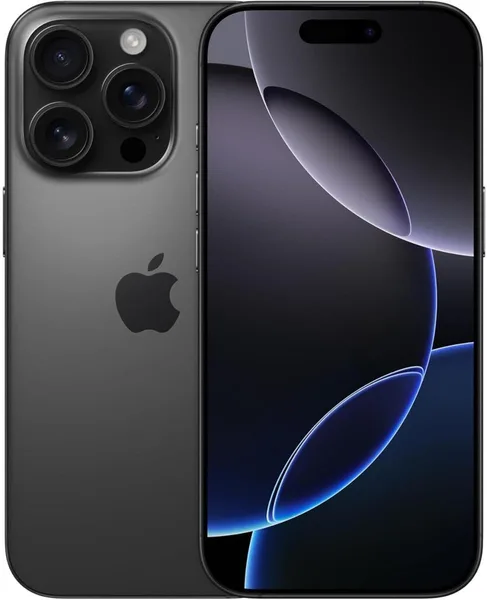
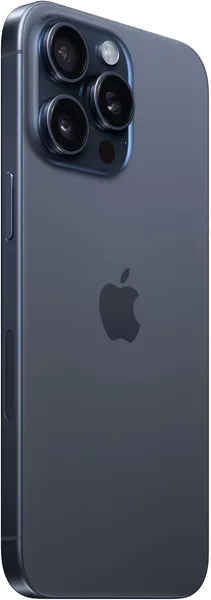
iPhone 16 Pro Max Review: Is It Still Worth Buying in 2026?
A year after launch, the iPhone 16 Pro Max has stopped being "the new thing" and settled into what it really is: a smart pick for anyone who wants a big screen, the best camera Apple makes, and a battery that gets through a full day without you sweating it. This isn't an upgrade for the sake of upgrading — it's simply the most capable tool on the shelf, if a big phone actually suits your hand in the first place.
You know the moment: you pull the phone out of your pocket one-handed, and it nearly slides out of your grip because your palm ran out of room before the screen did. Every "Pro Max" owner of the last few years knows that feeling. And here's the question nobody seems to ask out loud: do you actually need a phone the size of a small tablet, or have you just gotten used to buying "whatever's on top of the range"? With the iPhone 16 Pro Max, the answer isn't obvious — so let's dig in properly instead of just paraphrasing the press release.
What actually changed, not what changed on the slide
The headline feature of this generation isn't the design (it's nearly identical to the 15 Pro Max, whatever anyone tells you) and it isn't even the new A18 Pro chip on its own. What matters is what you can finally do with it. Apple Intelligence is still patchy outside a handful of languages — voice-memo transcription works reasonably well, but smart replies in Mail or text rewriting still lean heavily on English or produce oddly stilted phrasing elsewhere. If you're buying this phone for the AI features from the keynote, cool your jets a little — that's a "useful in a year or two" story, not a "useful today" one.
What is immediately noticeable, from day one, is the camera. The main 48-megapixel sensor is the same one from last year, but the 5x telephoto lens has stopped being a box-ticking exercise and become an actual working tool. Shooting your kid from the second row at a school event, or the moon on a clear night without artifacts turning it into a smudge — that's now genuinely doable without fighting the phone. Next to the base iPhone 16 the difference in telephoto shows immediately: on the base model, digital zoom turns to mush past 3-4x, while here the image holds up convincingly for much longer.
The Camera Control button is something I personally needed about three weeks to get used to. At first it feels tacked-on; then you start reaching for it on autopilot to switch shooting modes or zoom in without smearing your thumb across the screen and blocking half the shot. Not a revolution, but a small thing that genuinely makes life easier once it clicks.
Battery, size, and the stuff the ads don't mention
This is where the 16 Pro Max genuinely wins in the lineup — battery life. The bigger body means room for a bigger battery, and under real use (camera, navigation, music on the go) it comfortably gets you from morning to late evening without hunting for an outlet. This is one of those rare cases where "more" on the spec sheet actually translates into something you feel in your pocket every day, not just a number on a comparison chart.
But you pay for that in more than just money. The phone is big and heavy — the classic "Pro Max" problem: awkward to hold one-handed, and next to impossible to shove reliably into a pocket on slim jeans. If you have small hands, or you simply don't like giant phones, get the regular 16 Pro instead — the gap in camera and battery life is smaller than it looks on paper, and the in-hand comfort is a lot bigger.
The closest rival in spirit is the Samsung Galaxy S25 Ultra. Samsung's screen is technically brighter in direct sunlight, and it has the S Pen, which Apple simply doesn't offer and never will. But inside Apple's ecosystem, the phone, laptop, watch, and earbuds work together so smoothly that plenty of people who switch to Android end up coming back within a couple of months — not because Android is worse, but because habit beats spec sheets. If you're already deep in Apple's ecosystem, there's no reason to chase something else. If you're not, this isn't the product that justifies buying in from scratch.
Who should buy it, and who shouldn't
Buy it if you shoot a lot on your phone and telephoto isn't a nice-to-have but an actual tool — concerts, kids' sports, travel. Buy it if a big screen is a plus for you, not a minus — reading, shows on the go, working through documents. And buy it if battery life matters more than pocketability — long shifts, business trips, days without easy access to a charger.
Skip it if you're on a 15 Pro Max in good shape — the upgrade is noticeable but not urgent, and your money is better saved for the next generation with a more mature AI stack. Skip it too if you just don't get along with big phones physically — look at the 16 Pro instead, or skip Apple altogether and go where compact flagships still exist.
Instead of quoting one price that won't mean much across different currencies and customs rules, check the full landed cost to your country on dede.sh — device price, forwarding, and import duty rolled into a single number — before you hit buy, not after.
The real compromise in this generation isn't the hardware — it's the software. Apple Intelligence still doesn't live up to the keynote promises, especially outside English. Buy this phone today for the camera, the screen, and the battery — not for AI features that are "almost there."
FAQ
Only if the 5x telephoto camera and the extra battery life genuinely matter to you. If the bigger, heavier body doesn't bother you, the premium is justified — if it does, the 16 Pro gets you 80% of the experience for less money in a much more comfortable size.
Samsung is technically stronger on screen brightness and has the S Pen, which Apple doesn't offer. But if you're already in Apple's ecosystem, the convenience of everything working together with your Mac, watch, and earbuds outweighs the raw spec sheet for most people.
For most people, yes — as long as you clear out old footage regularly or offload it to the cloud. If you're shooting a lot of 4K clips every week and rarely delete anything, go straight for a higher storage tier.
Not really, especially outside English — some features are clunky or simply unavailable in other languages right now. Buy the phone for the hardware and the camera, and treat the AI as a bonus that should get better over time through updates.