Flexfit Men's Athletic Baseball Fitted Cap Review: Worth the Fit?
A fitted cap has no back adjustment, so you need to know your actual head size before you buy — that's the main barrier to purchasing blind. But if you get the size right, it sits straighter and cleaner than any snapback with a strap or plastic clasp. Buy it for the fit and the durability of the band, not the looks — the design here is minimalist to the point of boring.
There's a certain type of person who wears a cap not as an accessory but as gear — on runs, at the gym, on and off ten times a day under a bike helmet. That person eventually gets sick of snapback closures that rub the back of the neck, creak, and loosen up over time. Someone in that crowd always ends up recommending one brand: Flexfit.
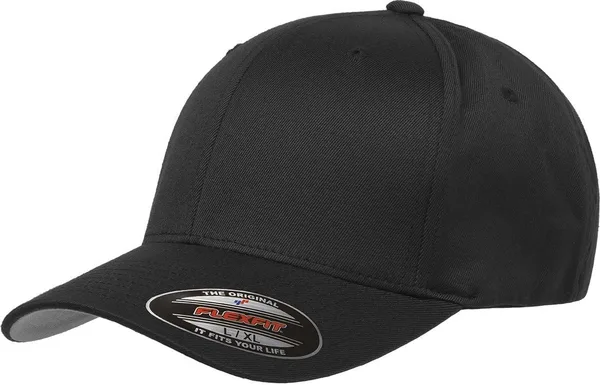
The idea is almost laughably simple: instead of a plastic snap at the back, there's an elastic band running around the whole circumference that hugs your head snugly and doesn't budge no matter how much you turn your head. No click, no gap. This model, the Athletic Baseball Fitted Cap, is entirely about that — fit, not prints or embroidery.
How it actually fits
First impression: tight. Not painful, just snug — the way a good baseball cap should sit, rather than the loose "eyeball it" fit you get with adjustable caps. After a few minutes that sensation fades, because the band spreads pressure evenly instead of digging in at one spot the way a snapback clasp does. Anyone who's worn a bike helmet over a cap knows how annoying it is when the cap slides around or the clasp jams into the helmet shell. That problem simply doesn't exist here: the profile is low and the band is even all the way around.
The downside is obvious and worth stating up front: if you don't know your exact head size in inches or centimeters, buying blind is a gamble. Flexfit comes in size ranges (S/M, L/XL), and the gap between neighboring sizes is noticeable. Too small and your forehead aches within an hour. Too big and the whole point of "fitted" disappears — the cap just slides around like a cheap one. So measure your head with a tape measure before ordering instead of going by "I usually wear a medium in T-shirts."
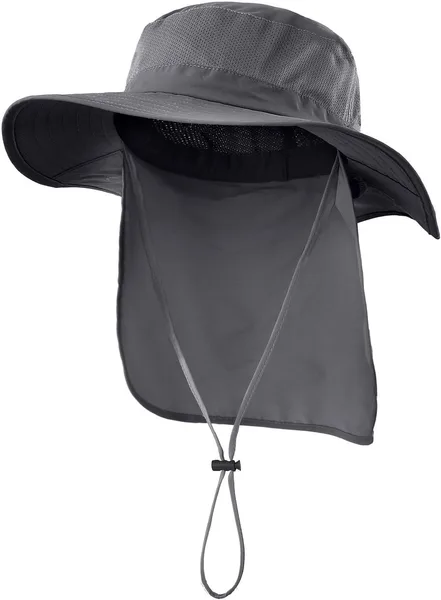
The fabric is a dense polyester with a bit of spandex woven into the band. It breathes decently, but this isn't a moisture-wicking performance mesh like you'd find in pricier running caps. On a hot summer run under direct sun, you'll feel sweat faster than you would in, say, a mesh sun hat with UPF protection — but for gym sessions or everyday wear, it's more than enough.
What to compare it against
The most obvious rival is a regular adjustable snapback, usually a couple of dollars cheaper. It's more universal — fits anyone, works as a gift when you don't know the recipient's size — but it's also less clean: the strap shows at the back, the silhouette isn't as tidy, and during anything active (basketball, running, cycling) it tends to shift around. If you need a cap for everyday use that anyone might borrow, a snapback makes more sense. If it's your own cap, sized to your own head, and you care about it fitting like it was made for you, go Flexfit.
The second comparison worth making is against cycling caps designed to go under a helmet, like the GUDOOK style, which are deliberately low-profile with a stiffer brim built for riding. Those are built for one job — under-helmet wear. The Flexfit is more of an everyday piece you wouldn't feel out of place wearing around town.
The base version starts at roughly $13 — not bad for a brand with this kind of name recognition in the cap category. Check dede.sh for the full landed price to your country — item, forwarding, and import duty rolled into one number, no customs surprises later. Honestly, at that price point you'd expect a touch more attention to stitching detail than you actually get: the seams are even but not refined, the brim is standard stiffness, nothing feels premium to the touch. You're paying for the brand and the fit, not luxury.
Who should buy it, and who shouldn't
Buy it if you know your head size for certain (or are willing to measure), you wear caps actively — sports, daily errands — and you're tired of snapbacks that slide around. Also buy it if you like a minimalist design without extra patches and want a basic cap that'll last more than one season — an elastic band doesn't loosen up the way a mechanical clasp does.
Skip it if you're buying it as a gift and don't know the recipient's exact size — it's easy to get wrong, and returning an imported item isn't as simple as walking back into a local store. Also skip it if you specifically need a cap for hot-weather training with maximum sweat-wicking — that calls for specialized sports brands with mesh inserts, and that's a different price category altogether.
Bottom line: this isn't a dream cap or a fashion statement, it's a work tool for people who wear a hat every day and are done with cheap closures. It does its one narrow job honestly.
FAQ
If a stable fit and a band that holds up over time matter to you, yes — the brand premium here isn't about status, it's a proven construction. No-name alternatives often stretch out within a few months of wear, and the cap ends up sliding around just like a cheap snapback.
If the cap is yours alone and you wear it a lot, go fitted. If you need something universal that anyone can put on, or you're buying it as a gift without knowing the size, a snapback is the safer bet.
Measure around your head with a tape measure, about a finger's width above your eyebrows, and check it against the seller's size chart — eyeballing it based on your T-shirt size is unreliable.
It's fine for regular workouts, but it's not a moisture-wicking performance fabric — in serious heat you'll feel sweat build up faster than you would with a dedicated running cap.