Koss KPH7 review: are these bargain-bin headphones actually worth it
The Koss KPH7 are the cheapest headphones I can recommend without flinching: light, compact, decent for calls and podcasts, but don't expect bass or any real isolation. Need a backup pair to toss in a bag and forget about? Buy them without thinking twice. Want something serious for music? Look elsewhere.
Picture this: your favorite $150 headphones are sitting at home and your flight leaves in two hours. Or your kid just lost the third pair this year at school. Or the cable snagged on gym equipment and something made a bad noise. In every one of these scenarios, "maybe I should buy something expensive and reliable" is the wrong instinct. The right instinct is to buy something so cheap and light that losing it wouldn't sting. That's exactly the niche Koss KPH7 fills.
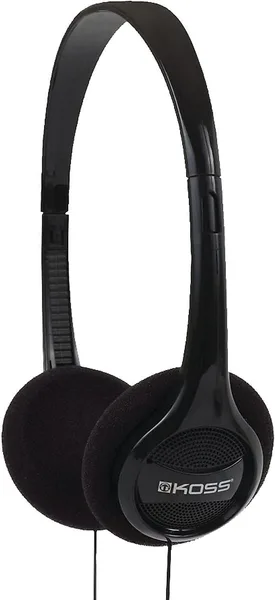
Koss is an American brand that's been pulling off the same trick for decades: a simple frame, thin foam padding, minimal plastic — and the result is a headphone that weighs almost nothing. The KPH7 keeps that tradition going. It's an on-ear design that folds down to something palm-sized and doesn't clamp your head even after several hours of wear. Glasses-wearers will especially appreciate this — the headband doesn't dig into your temples the way most "fashion" over-ear headphones with metal frames do.
The sound here isn't about bass thumping in your chest. It's a midrange-forward, slightly "cardboard" tone that works great for podcasts, audiobooks, calls, and background music at your desk. Try something bass-heavy — Metallica, or pretty much any hip-hop track — and you'll notice the low end just isn't there; it got lost somewhere on the way. Speech, though, comes through clean, which is exactly why people love bringing these on flights or runs, where understanding the words matters more than soaking in a wide soundstage.
Compared to the obvious competitor at this price point — some no-name pair from a marketplace listing at the same cost — Koss wins on one thing: brand history. This is a company known for decades for repairing or replacing even its cheapest models under a lifetime warranty program. That's not marketing fluff, it's an actual practice, and it's why people keep coming back to Koss even when they're spending less than the price of a coffee. The headphones catalog is full of pricier, more feature-packed options, but few brands offer this combination of price and reputation.
Honestly, there are things that annoy. The cable is thin, and based on user reviews from around the world, it's the weakest link — it kinks and frays right where it meets the ear cup. Isolation is basically nonexistent — the person next to you on the train will hear half your playlist, and you'll hear half the train car. And don't expect a microphone here — these are listening-only headphones, not something for hands-free calls.
Where the KPH7 genuinely shines is as a "second pair." In a bag, in the glovebox, in a desk drawer at work, for a kid who hasn't yet learned to take care of electronics, for workouts where sweat and grime have no business near a $200 headphone. I know people who keep a pair of these around specifically in case their main headphones die or get left behind — and not one of them has regretted the few dollars it cost.
Price is the headline argument here. Listings start at just a few dollars, and even once you factor in shipping and import costs to your country, the total lands nowhere near what a name-brand pair costs locally — you can check the exact landed price (item plus forwarding plus duty) for your country right on dede.sh. This isn't a product worth hunting for discounts on; it already costs about as much as a cheap lunch.
Who should absolutely skip the KPH7: if you're after headphones for gym sessions of serious listening, music mixing, or even just relaxing with an album and a glass of something nice in the evening, you'll be disappointed within the first thirty seconds. This is a tool for specific jobs, not an audiophile treat.
Who should buy, and who shouldn't
Buy if: you need a backup pair, cheap headphones for a kid, something for the gym or a run that you won't mind breaking or losing, or you just want the lightest possible option for long flights. Skip if: you listen to a lot of bass-heavy music, you need isolation in a noisy open space, or your budget stretches further — in that case, spend a bit more and get something with active noise cancellation or a wireless connection.
FAQ
For background listening at home or in the office, absolutely. For a serious listening experience with bass and detail, no — these are a different weight class entirely, and comparing them doesn't really make sense.
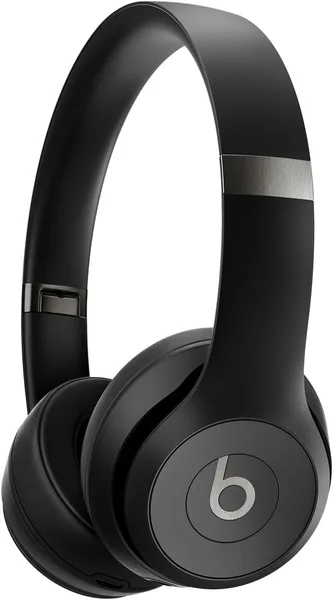
If the main thing is not caring whether you lose or break them, go with the KPH7 — they're dirt cheap. If you need wire-free freedom and bass during workouts, look at the Beats Solo 4 instead — that's a whole different tier and price range.
Yes, and here's why: Koss is known for its lifetime service policy even on budget models. A no-name option at the same price definitely won't offer that kind of backup.
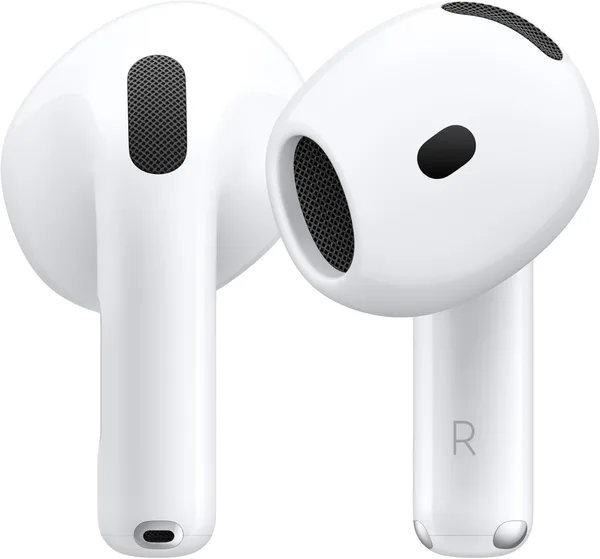
No, these are listening-only headphones. If you need calls on the go, look for a model with a built-in mic or consider wireless options like AirPods.
If you need something more capable than these budget Koss, it's worth checking out the alternatives.