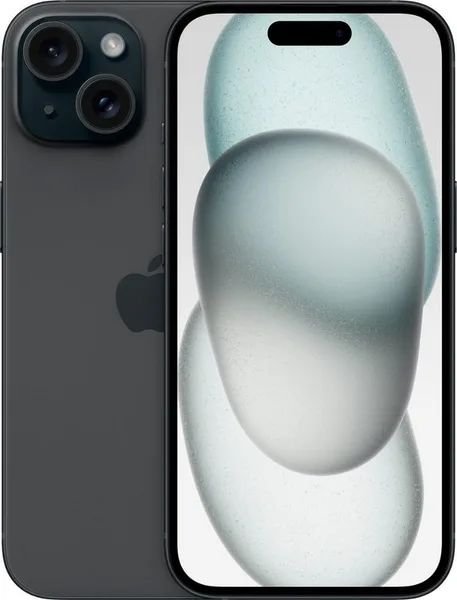
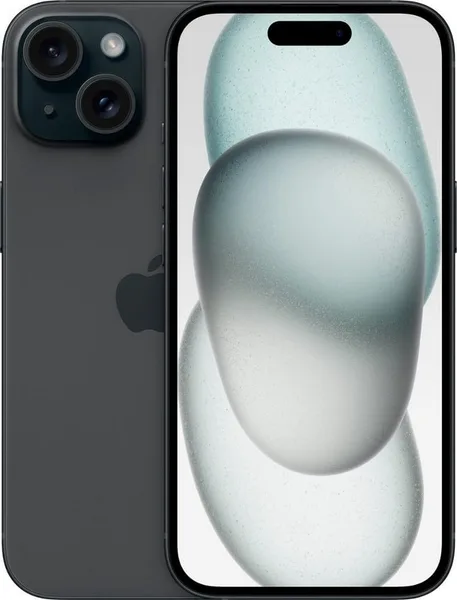
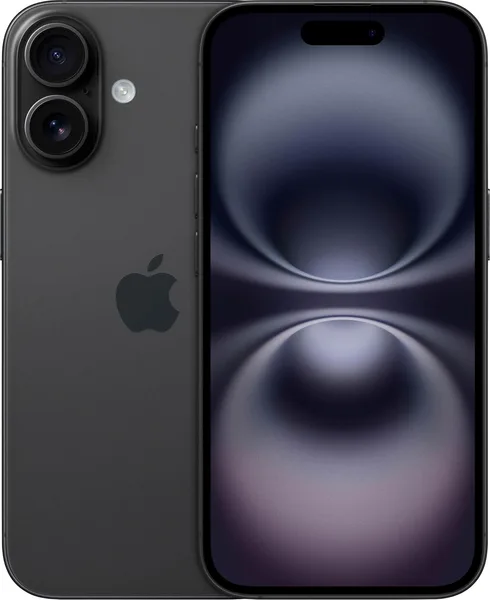
Apple iPhone 15 Review: Still Worth Buying in 2026?
The iPhone 15 128GB in 2026 isn't a "new release" anymore — it's the smart mid-tier pick: USB-C, Dynamic Island, a solid Fusion camera, and a price that's finally sane. Buy it if you want iOS without paying Pro-chip money. Skip it if you're willing to spend another $50-100 on the newer 16e, which brings a fresher A18 chip and noticeably better battery life.
Picture this: your phone slips out of your hand onto tile, the screen survives, but the Lightning port takes the hit — now it only charges if the cable sits at exactly the right angle and you say a little prayer. Sound familiar? That was my iPhone 12. So when Apple finally moved the whole lineup to USB-C — starting with the 15 series, not the 14 like some people misremember — it felt like a moment worth paying attention to, even for the "I'll wait till it's cheaper" crowd.
Well, it's cheaper now. On international marketplaces, the Apple iPhone 15 128GB goes for roughly $315-400 depending on the seller and condition — that's not flagship money anymore, it's solidly mid-range. Add forwarding, import duty and tax on top, and the full landed price to your door will vary by country — you can check the exact number for where you live right on dede.sh — but even before you do the math, it already looks competitive against what new Android flagships cost in most local stores right now.
What actually changed since the 14
The big one is the port. USB-C means one cable charges your phone, your laptop, your headphones — basically everything in your bag. Sounds minor? It's the kind of minor that saves you a small daily dose of frustration and one less cable rattling around your backpack. Second thing: the Dynamic Island, that pill-shaped cutout that used to be a Pro-only flex two years ago and now comes standard. It's not a gimmick — it's genuinely useful interface real estate. Timer running, music playing, your Uber pulling up — it all surfaces right there without eating into your screen.
The camera story is the same pattern: improvement, not revolution. The 48-megapixel main sensor captures more detail and can fake a 2x optical zoom in software, no dedicated telephoto lens needed. For everyday shooting — birthday parties, restaurant food, screenshots to win an argument with a friend — you'd struggle to tell it apart from the Pro models. The gap only shows up in low light at night, where the Pro pulls out a bit more detail with more confidence.
Battery is where the iPhone 15 honestly falls behind newer phones. It'll get you through a normal day of use, but if you're out and about with no outlet in sight for hours on end, you might be eyeing the battery icon nervously by evening. The iPhone 16e, with its newer A18 chip, coasts through late nights with a lot less drama.
How it stacks up against the real alternatives
People mostly compare it to two things: the iPhone 16e (its successor — pricier, newer chip) and Android flagships like the Samsung Galaxy S24 in the same price bracket. Against the 16e, the difference shows up mainly under heavy load — video rendering, demanding games like Genshin maxed out. For everyday stuff — messaging, social media, the camera, banking apps — the 15 runs just as smoothly, and you won't spot a visual difference.
Against Android, it's an ecosystem question more than a hardware one. If you're already living in MacBook, AirPods and Apple Watch territory, the iPhone 15 slots in so naturally that any Android phone starts to feel like an uninvited guest at that party. If you have no Apple gear and no plans to get any, paying a premium for the brand makes less sense — something like a Galaxy A55 at a similar price gets you a bigger screen and better battery life.
One thing reviews rarely mention: based on Apple's track record, the 15 should keep getting iOS updates for another three to four years at least. That means the phone you buy today won't turn into a paperweight after a couple of update cycles — unlike a lot of budget Android phones, where software support quietly stops after two years.
Who should buy it, and who shouldn't
Get it if you want into the Apple ecosystem without paying for the Pro chip and titanium frame that, honestly, hardly anyone notices in daily use. It's also a good pick if long-term software support matters to you more than chasing this year's model. 128GB is enough for most people — photos sync to iCloud automatically, and few of us keep huge files stored locally these days.
Skip it if: a) you're a photographer or video creator who genuinely needs the camera as a working tool — look at the Pro line and its telephoto lens instead; b) all-day battery life without a top-up is non-negotiable for you — pay the extra for the 16e or something newer; c) you're not in the Apple ecosystem at all and have no plans to join it — an Android phone at this price gets you more hardware for your money.
There's really one trade-off at the core of this phone: you're paying for the brand and iOS's smoothness, not for cutting-edge specs. That's a fair deal, as long as you know that's what you're buying.
FAQ
If the price gap is small (under 15-20%), yes — the 16e gets you a newer chip and better battery life. If the gap is bigger, the 15 still earns its keep for everyday use; you won't feel the difference day to day.
128GB is plenty for most people, especially with an iCloud subscription so photos don't pile up locally. 256GB mostly makes sense if you shoot a lot of 4K video or keep an offline library of music and movies.
Yes, if smart savings without leaving the Apple ecosystem is the goal. Flagship performance from two or three years ago still comfortably handles everyday tasks, and the price has already dropped into mid-range territory.
Honestly, the A55 lasts longer on a single charge thanks to a bigger battery and a less demanding display. If battery life is your top priority and the Apple ecosystem isn't a must, the Samsung is objectively the stronger pick here.