Beats Studio Pro Review: Worth It Over Sony or Bose?
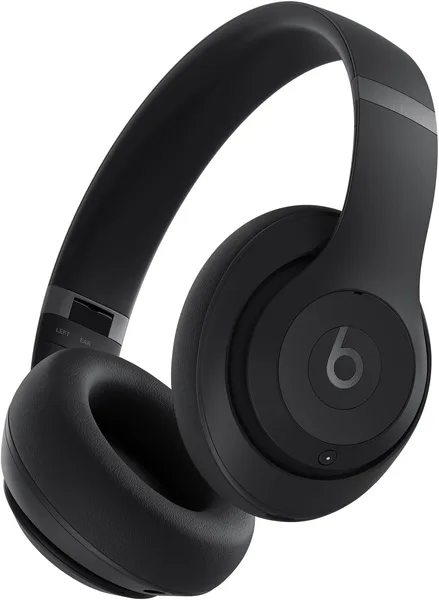
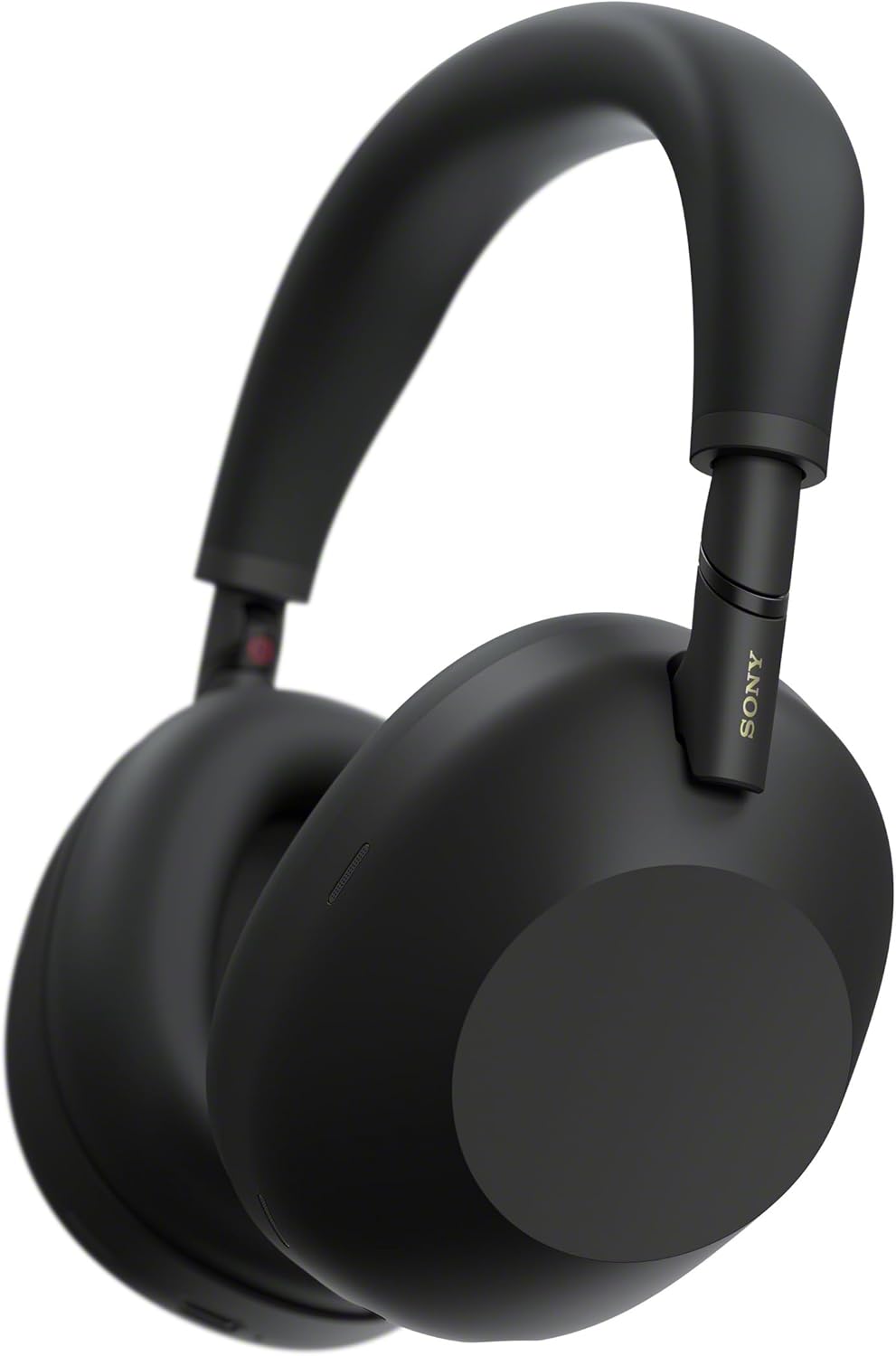
The Beats Studio Pro is for people who live inside the Apple ecosystem and want bass that doesn't apologize for itself. The ANC is decent, not great, and battery life falls apart if noise cancelling stays on all day. If you're on Android, or you rank noise cancelling above everything else, look at the Sony WH-1000XM6 instead.
Picture the scene: you're stuck on a layover, a toddler tour group is losing its mind two gates over, and there's an iPhone in your pocket you're used to flipping between with your MacBook in one tap. That's exactly the picture Apple had in mind when it bought Beats back in 2014, and it's exactly what the Studio Pro was built for. This isn't a pair of cans for the audiophile with a niche FiiO dongle. It's for someone who wants things to just work — and wants bass they can feel in their chest, not one that only shows up as a bump on a frequency-response chart.
What the sound actually is
Beats spent years carrying a "boom-boom for teenagers" reputation, and honestly, there was some truth to it. The Studio Pro mostly breaks that reputation, though not entirely. The low end is boosted — no point pretending otherwise. But it's not the cardboard thump of the old Beats Solo anymore; it's controlled, it punches, and it doesn't smear the mids into mush. Vocals don't drown, guitars don't blur together. For hip-hop, electronic, pop — it's close to ideal. For classical or live-instrument jazz, it's a matter of taste, and personally I'd reach for something more neutral.
Next to the Sony WH-1000XM6, the Beats sound is simpler and more direct: fewer nuances, more drive. Sony sounds "more correct." Beats sounds better at a party or in the gym. Different philosophies, different audiences.
Noise cancelling and mics
The ANC is good, not spectacular. Plane drone, subway rumble, an office fan — it handles those confidently. Sharper sounds — a neighbor's keyboard clacks, dishes clinking in a café — leak through more than you'd like. Sony and Bose are still ahead on filtering depth, and if noise cancelling is your main purchase criterion, I'll say it plainly: these aren't the ones.
Transparency mode, on the other hand, is done really naturally — voices sound like voices, not like they're coming through a tin can. That's a detail Apple clearly ported over from the AirPods Max, and it shows up in real life: answer a call on the move, catch the "now boarding" announcement without taking the headphones off, and there's zero discomfort.
Battery life is the real compromise
This is where the disappointment kicks in. The claimed roughly 24 hours with ANC on turns into something closer to 18-20 in practice, once you factor in a comfortable listening volume and the odd phone call. For a daily commute, that's a week's buffer without needing to charge. But if you're on a long-haul flight with a connection and you forgot the cable — you're going to suffer a bit. Fast charging saves the day: 10 minutes plugged in buys several hours of listening, and yes, that's been tested in person, killing time at an airport gate waiting out a delayed flight.
Fit and comfort
The headband is softer than on the previous generation, and the cups swivel flat when the headphones hang around your neck — a small thing, but a welcome one, since the old Studio3 used to dig an edge into your collarbone in that position. Comfortable enough for a full workday, though after 4-5 hours your ears will start asking for a break — that's just the physics of ear cushions, and it applies to any over-ear headphones, not just Beats.
The ecosystem is both the strength and the trap
The Studio Pro's biggest advantage only shows up on Apple devices. Automatic switching between iPhone and Mac, instant pairing via the H1 chip, Find My integration — all of it works flawlessly and genuinely saves you hassle. On Android, those features either disappear entirely or fall back to plain Bluetooth with none of the magic. And that's when the question "why pay Beats money when I could get a Sony, or even something more modest from the headphones catalog for the same price" becomes very fair.
What it costs and whether the premium is worth it
Pricing swings a lot by market and by condition — new units cost meaningfully more than the used listings that show up regularly on marketplaces, and used lots are a lottery on condition and accessories, so read the description carefully before buying. Once you add in forwarding and your country's import duty, the full landed price for the best deal is worth checking on the product page directly, since exchange rates and duty rules shift. For that money you can also land on Sony, Bose, or a no-name TWS pair for a third of the cost — it comes down to what matters more to you: the ecosystem, or objectively better sound.
Who should buy it, and who shouldn't
Get it if you live in iPhone-plus-Mac land, love punchy bass, and are fine with mid-pack (not class-leading) ANC in exchange for ecosystem convenience. Skip it if you're on Android — half the party tricks simply won't fire, and you'll be paying a brand tax for nothing. Skip it if noise cancelling is non-negotiable for you — get the Sony instead. And skip it if you're planning long flights without a charger nearby — battery life here is average, not a record-holder.
FAQ
If you're in the Apple ecosystem and love punchy bass — yes, the difference is obvious within the first 10 minutes of listening. If music is mostly background noise for you and "it just works" is all you need, grab something cheaper from the headphones catalog and skip the logo tax.
On pure sound quality and noise cancelling, Sony is objectively stronger. Beats wins on iPhone/Mac convenience and on bass character for modern music. I'd take the Sony as the all-around pick, and the Beats only if you're firmly planted in the Apple ecosystem.
For a short-to-medium flight with a connection — yes, easily. For a long-haul flight with no outlet nearby — it might not, so bring a cable or a power bank just in case.
If the price is meaningfully lower and the seller has described the condition in detail — yes, it's real savings. But check what the listing says about battery health: unlike phones, sellers rarely disclose that honestly for headphones.