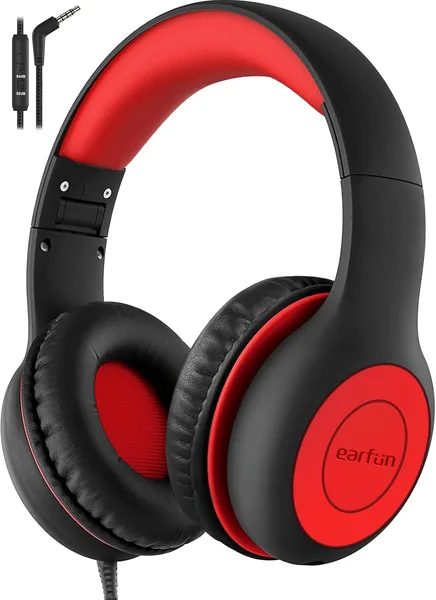
EarFun K1 Kids Headphones Review: Are Volume-Limited Wired Headphones Worth It
Cheap wired kids' headphones with a hardware volume cap — 85 or 94 dB — plus a mic for online classes. The sound won't wow anyone, but your kid's hearing is protected even if they crank the volume all the way up. For the money, this is about as sensible a purchase as it gets if your child needs headphones for school or a tablet, not for building an audiophile collection.
I had a moment a few years back: my daughter in headphones, tablet volume maxed out, and I could physically hear what was playing through the ear pads from across the room. It scared me enough that I went looking for something with a volume limiter — turns out that's an actual product category, not some niche gimmick. EarFun K1 is one of those, and the real reason to buy them isn't sound quality or looks — it's that cap.
The idea is simple: the headphones hardware-limit maximum volume, with a switch for two modes, 85 dB and 94 dB. The first is a "quiet" setting for the littlest kids or for long listening sessions — audiobooks on a car ride, say. The second is a bit louder, meant for noisier environments like a classroom full of chatty classmates. However many times I tested this on my own kids, even at max it's noticeably quieter than regular adult headphones at full blast. And that's exactly what you're paying the extra couple of dollars for over the cheapest no-name option.
What actually stands out
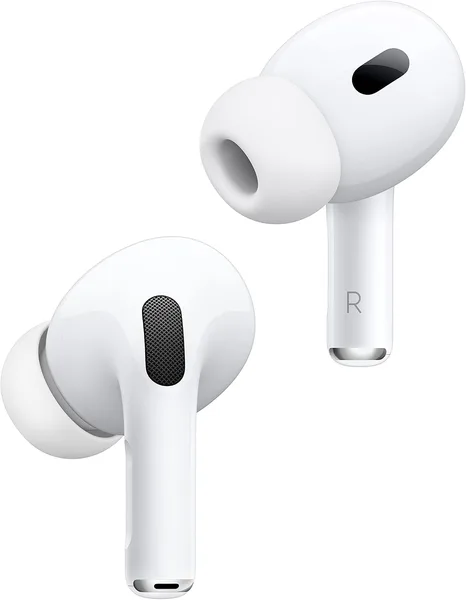
Sound quality is budget, and that needs saying upfront. This isn't about detail or bass — it's about being able to make out a voice clearly in a podcast, an audiobook, or an online lesson. It'll do for music too, but don't expect anything close to even inexpensive adult headphones. Comparing these to something like the AirPods Pro 2 doesn't make sense at all — different price category entirely, and personally I wouldn't recommend spending that kind of money on wired headphones a kid is going to lose or break within a month anyway.
The mic isn't for musicians or streamers — it's for the basics: a video call with grandma, a lesson with the teacher on Zoom, situations where you just need your kid to be heard. It handles that and nothing more. Don't expect studio quality; think "clear enough to understand words," and for homeschooling or remote lessons that's plenty.
Build is light plastic, soft pads, an adjustable headband. One thing I've noticed from experience: kids in wired headphones constantly snag the cord on something — a door handle, the edge of a desk, another kid during recess. The K1's cable isn't the longest out there, and honestly that's a plus — less chance some classmate yanks the cord as a prank and sends your kid face-first into a desk.
Who should buy these, and who shouldn't
This is an easy call for parents whose kid is younger than 8-10 and needs protecting from the habit of cranking volume to max — with these, it's physically impossible to hurt your ears no matter how far the kid turns the dial. Same goes for schools and daycares, where a cheap replacement matters if something gets lost or broken — spending a small amount hurts a lot less than losing something two or three times pricier. Stacked up against the other kids' option in our catalog, the Tonies Foldable, the EarFun loses on brand and looks but wins on price — and on the fact that the volume cap here is stated explicitly and switched manually, not just "somewhere in there, trust us."
But if your kid is already 11-12+ and takes music seriously, or if you're after something for sports or being active outdoors, a wired design with basic sound will get old fast — better to look at more grown-up models in our headphones catalog. And honestly, if brand and "gift status" matter more to you than the volume-limiting function, it's also worth looking elsewhere — everything here is built around practicality, not the wow factor of unboxing.
Prices vary by marketplace, so don't take our word for a number — check the full landed price to your country on dede.sh (item plus forwarding plus import duty, all in one figure). This is that rare product category where a low price isn't a compromise — it's basically the whole point of buying: spending serious money on kids' headphones that'll be lost within a couple of months seems irrational to me no matter how you look at it.
FAQ
Yes, this isn't a marketing gimmick — the hardware limit genuinely prevents the volume from exceeding the stated level, even if the kid cranks the device's own volume slider to max. 85 dB is the safer mode for long listening sessions, 94 dB is for noisier environments, but even that's still below what regular unrestricted headphones can put out.
If controlled volume and the lowest possible price in case of loss matter most, go with the EarFun K1. If brand and design matter more, and you already own a Toniebox, the Tonies makes more sense. On the core "don't wreck the kid's hearing" function, both do the job — the difference is really about positioning and price.
Yes, that's exactly what the mic is built for — it picks up a kid's voice clearly enough for a Zoom lesson or a call with relatives. For streaming or podcast recording, no — that needs a dedicated mic.
In practice, kids and teens crank the slider to max regardless, and on an adult device with no limiter that can genuinely be dangerous for hearing. A hardware cap solves this once and for all, and it costs literally a few dollars more — in my view, that's a trade worth making.