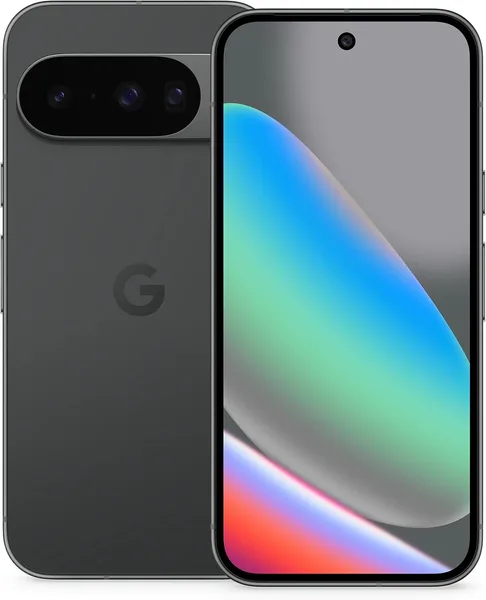
Google Pixel 10 with Gemini: review — is it worth importing?
The Pixel 10 isn't a revolution — it's Google finally getting the formula right. The camera is still the best you'll find on Android, Gemini is genuinely useful rather than a marketing sticker, and battery life has stopped being the phone's weak spot. The catch: Google doesn't sell it officially in most markets, so you're paying an "import tax" in both the literal and figurative sense. If you don't mind the extra legwork of buying from the US, you're getting one of the best Android phones of the year. If you want simplicity and a repair shop around the corner, look at an iPhone instead.
Picture this: you're standing in a coffee queue, pull out your phone to snap a photo of the receipt for your expense report, and it offers to lift the text straight into your notes app before you've even asked. Small thing, but it's exactly these small things that make a phone feel like it's working for you instead of the other way around. That's the first impression the Pixel 10 leaves — not "wow, new camera," but "huh, it just guessed what I needed."
Google spent years being a one-trick company — the Pixel camera was always in a different league, while the rest of the phone felt like it was finished off by engineers on the clock. With the tenth generation, that's finally not true anymore. The body feels better in hand, the matte aluminum frame doesn't smudge like the old glass back, and the screen is bright enough to read a menu on a sun-drenched café terrace — tested personally, on a scorching afternoon, jaw slightly dropped that I could actually see the text without cupping my hand over the screen.
The camera and Gemini — that's where the real story is
The main reason to buy a Pixel has always been the same: photos. That holds up again here. Daytime shots are crisp without the oversaturation Samsung loves to bake in, and the night mode pulls out detail where an iPhone just paints over everything with noise reduction. But this time the more interesting part isn't the camera itself — it's what Gemini does with it. I asked the AI to remove a stranger walking through the background of a shot, and about ten seconds later I had a result that used to require Photoshop and half an hour of YouTube tutorials. That's not a keynote party trick — it genuinely saves time when you need to send a photo to a group chat without a random passerby photobombing it.
The voice assistant has changed too — Gemini answers naturally, without the rehearsed "I didn't quite get that," and it can hold context across several follow-up questions. Next to Siri on an iPhone, it feels like the difference between talking to a person and talking to an answering machine. Sure, Apple keeps promising its own AI overhaul — but promising is all it's doing so far, while Google is already shipping this in the box.
Battery life used to be the category where Pixel owners avoided eye contact. Not anymore — from early morning to late evening, with heavy camera use, navigation, and music running, the phone makes it through the day without you hunting for an outlet in a café. A few years ago that would have sounded like wishful thinking, with a power bank on standby just in case.
Where it delivers, and where it hits your wallet
Now for the less fun part. First, the price — the base model starts at around $785, and that's before any duties or VAT get added once it lands as a personal import rather than an official retail unit in your country. I won't pretend that's pocket change: once you add up the phone, shipping, and import charges, you're looking at a total landed cost worth checking carefully — you can see the exact number for your country, item plus forwarding plus duty, on dede.sh. That's flagship territory, and the competition there is brutal.
Second — and this matters — Google doesn't officially sell the Pixel in most markets outside a handful of countries, so there's no local service network, and warranty support means jumping through hoops rather than walking into a store. If the screen cracks a year in, you're either shipping it abroad for repair or hunting down an independent technician who's seen maybe two Pixels in their life. That's the real cost of owning a phone your neighbors probably don't have yet.
Third — size. If you have small hands or you're used to running your phone one-handed on the train while holding a rail with the other, expect an adjustment period. This isn't about grams and millimeters on a spec sheet — it's that your thumb physically can't reach the top corner of the screen without repositioning your grip.
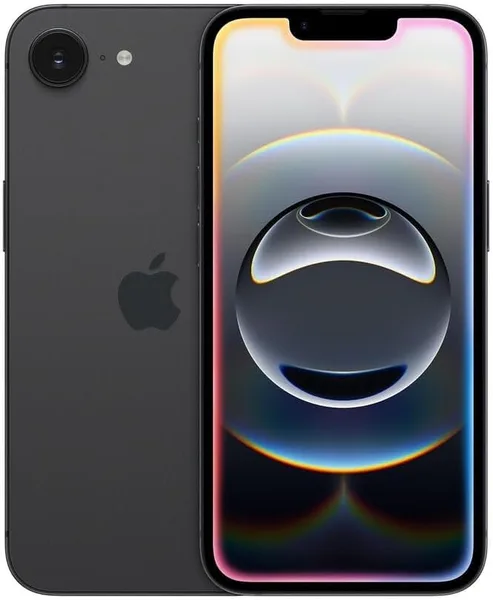
Against its main rival in this price bracket, the Pixel 10 wins on camera quality and on how unobtrusively — and genuinely — useful its built-in AI is. The iPhone wins on ecosystem, resale value, and the simple fact that you can walk into pretty much any electronics store and buy one with a receipt and a warranty on the spot.
Who should buy it, and who shouldn't
Get it if you shoot photos on your phone often and seriously, if you like being a step ahead in the group chat, and if you don't mind a bit of import hassle in exchange for the newest thing Android has to offer. Skip it if your phone is just a tool that needs to work and get fixed within the hour when something goes wrong — a simpler, more locally available option will serve you better, and honestly, save you some stress.
There's really one big trade-off here: you're paying a premium price for a phone that officially doesn't exist in your country. The second, less obvious one — Gemini is still at its best in English; other languages are supported, but occasionally feel a bit rough around the edges.
FAQ
If you already own a Pixel 9 and it's serving you well, don't rush. The difference is noticeable in night photography and Gemini's speed, but it's not the kind of leap that justifies swapping out a phone that still works fine. If you're coming from something three years old, though, the difference will feel like night and day.
It depends on your priorities. The iPhone 16e is simpler when it comes to warranty service and holds its resale value better — a real advantage in most markets. The Pixel 10 wins on camera quality and AI features that are still a step ahead of the competition. If the camera matters most to you, go Pixel; if peace of mind and easy service matter more, go iPhone.
For photos, messaging, social media, and even light gaming, the base storage holds up comfortably. Problems start if you shoot a lot of 4K video and rarely clear out your gallery — in that case, go straight for the higher storage tier, since you can't expand it later.
In most markets, no, and it's best to accept that going in. There's no official Google service network in many countries, so repairs mean either an independent shop that's already learned to work on Pixels, or shipping the phone abroad. For some buyers that's a non-issue; for others, it's a dealbreaker.
Still torn between a few options? Check the lineup of similar phones below — it includes direct competitors in the same price range as well as Android alternatives with a different take on the camera.